
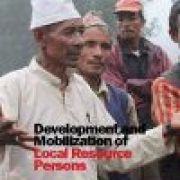
This toolkit provides guidance to...
There are ongoing discussions in the community forestry practices of Nepal that whether forestry
professional with formal education can transfer knowledge and skills to the rural community in
sustainable way or Local Resource Person with non-formal education can support better to impart
technical expertise to the rural users of the forestry. Based on the long experiences of writer in
developing Local Resource Persons while working in DFID funded Livelihoods and Forestry Programme, I
will argue that such resource person have greater competencies to instruct applicable forestry
technical expertise towards the marginalized sections of the rural communities who are forest
dependent and actual managers of the resources. Also, they are sustainable because the beneficiaries
(community forestry user groups) have system of pay for their services. As they use locally applicable
language and suitable words relevant with local situation, it is very effective mechanism to
communicate sustainable forest management skills relevant for human development of the poor rural
people. In summery, I will recommend that the government of Nepal should establish vocational/non
formal education institutions to develop such forestry human resources in our country. In the report, I
will include criteria of selection of such local resource person, contents of training/education provided
to them, working mechanism with government counterparts, cost benefit analysis of their service
delivery, process of their accreditation and issues associated with them.
Keywords:
Community forestry, LRP, Forest management, Human resources
| Attachment | Size |
|---|---|
 LRP development in Nepal .pdf LRP development in Nepal .pdf | 94.89 KB |
Tags:

