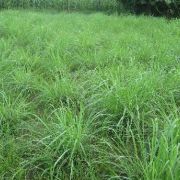

Community forests in Nepal are co-...

30Apr
The Local Network of Doi Sam Muen Watershed Management (Hereafter referred as the Local Network) was assembled of the villages in 6 sub watersheds of Doi Sam Muen Watershed which are Taeng and Pai Sub Watershed; Huay Nam Roo Sub Watershed; Mae Plaem Sub Watershed; Mae Ngume Sub Watershed; Mae Hee Sub Watershed; Mae Muang Sub Watershed. Doi Sam Muen has been a settlement area of 13 villages in 3 districts of 2 provinces which are Ciang Dao and Wiang Haeng Sub district of Chiang Mai Province and Pai District of Mae Hong Son Province.
Background
There are 8 villages on the high land areas which are Sam Muen Village; Muser Pa Kloi Village; Nam Roo Village; Lisu Mae Plaem Village; Lisu Mae Sla Village; .Lisu Mae Yen and Doi Chang Village; Lisu Hua Mae Muang Village. In low land areas, there are 4 villages lived there which are Yang Mae Plaem Village; Yang Nong Bua Village; Yang Wang Pra Village; Yang Pa Sao Village and Lisu Huay Hin Dam Village.
In the past, many communities faced with many problems due to deterioration of watershed area. During 1989 – 1991, the Huay Nam Roo Watershed Management Unit (After that name was changed to Doi Sam Muen Watershed Management Unit) and communities in the area discussed and analyzed problems in order to finding the solution together.
The problem concerns were pointed and listed before establishing the Local Network as follows;
- Improper land use, shifting cultivation and chemical pesticide using
- Forest fire; especially it is a result of land preparation by firing of the communities
- The crop products destroying by the domesticated animals
- Drug abuse
In 1992, the Sam Muen High Land Development Project joined with the Huay Nam Roo Watershed Management Unit to organizing training activities for the local people there. The training activities promoted knowledge to the communities’ leaders of 32 villages in term of solving and managing their communities’ livelihoods 8 economic conditions and ecosystem in their areas. The communities also learned the way to protecting their nature; managing the natural resources and utilizing the high land in suitable way. Within the process of this collaboration, it allowed the communities to participating; exchanging their problems and concerns as well as finding the proper solutions.
Furthermore, the representatives of each community had chances to exchange their issues and concerns in order to finding the proper solutions together. One consensus 21 was defined from the communities’ meeting which is establishment of the central committee. This central committee has called as the Local Network of Doi Sam Muen Watershed Management that has been formed from the representative committees of each community. The Local Network take several roles on being advisory group; coordinating among the communities; discussing for finding and solving any problems and defining the rules and regulations that each community need to follow. Moreover, the Local Network will work as a coordinator of every community in this area for contacting and cooperating with government agencies to enhance any developments and promote a good quality of life of every community.
The structure of the Local Network of Doi Sam Muen Watershed Management
The Local Network of Doi Sam Muen Watershed Management was assembled of 8 villages lived in the high land areas of Doi Sam Muen. Each village will select and appoint their own committees (approximately 4 persons) and these persons will be the representative to join in as the committees of the Local Network of Doi Sam Muen Watershed.
The Committees of the Local Network of Doi Sam Muen Watershed Management:
- The Representative Committees of Pa Kia
- The Representative Committees of Sam Muen Village
- The Representative Committees of Muser Pa Kloi
- The Representative Committees of Nam Roo
- The Representative Committees of Mae Sla
- The Representative Committees of Doi Chang
- The Representative Committees of Mae Muang
- The Representative Committees of Mae Plaem
The purposes of the Local Network establishment are to build a coordination of communities’ development and to enhance communities’ living by aligning with forest conservation. The Local Network’s committees will have a meeting once every two months to discussing about land utilization, resources use, forest preserving including the socio-economic development as well as to solving the problems faced and finding the solutions together. Especially, they will consider, control and give permission on land utilization and resources use of the communities’ members according to the rules and regulation were set up by the Local Network.
The tasks of the committees of the Local Network of Doi Sam Muen Watershed Management
- Gather and inform any issues and concerns faced in the villages to the Local Network committees’ meeting
- Be advisors of their villages
- Coordinate between villages and external agencies.
- Be mediators in the villages in order to solve problems/conflicts and find the solutions
- Generate and create any developments activities for communities
- Be the leaders of villages to promote community development
- Perform good examples in having good behaviors in villages
- Inform about the rules and regulations of the Local Network to all people in the villages
- Follow up and monitor the rules and regulations enforcement and implementation in the villages
- Give suggestions and knowledge to people in the villages
The duties of the people respect to the Local Network of Doi Sam Muen Watershed Management
- Introduce and inform any problems faced to the Local Network’s committees in their villages
- Support the workings of the Local Network’s committees in their villages
- Listen and follow the Local Network’s committees in their villages
- Respect and act according to the rules and regulation of the Local Network’s committees in their villages
Rules and regulations of the Local Network of Doi Sam Muen Watershed Management
Rules and regulations were developed since 1993 by the committees of each village lived in the area of Doi Sam Muen supporting by the Huay Nam Roo Watershed Management (Current name is Doi Sam Muen Watershed Management). The rules were drawn by dividing into 3 main topics which are;
1) Agricultural land
- Set up the committees to control the agricultural lands utilization
- In case there are any agricultural lands that are neglected and are not cultivated for a year, the Local Network committees have right to manage and confiscate those lands by giving to others who need.
- For people who have the lands and sell their lands to others, the Local Network committees will also have right to expropriate those lands and share to others who don’t have the lands.
- If some households would like to sell their agriculture lands, they can do so by only selling to the people live in the same village.
- Households should have the agricultural lands located in the same villages they live in. If they have the agricultural lands in other villages, they need to return those lands to the Local Network committees in those villages.
- Prohibit for the new cultivations and land utilizations in others watershed areas that they do not live in. If someone break this rules, they will get fine for 1,000 baths per rai ( 1 Rai = 1,600 square meter) or the Local Network committees will cancel the right of land utilization or confiscate those lands.
- In case of doing cultivation on the high slope area, the farmers need to prepare for protecting the occurrence of soil erosion; if some people break this rules, they will get fine for not beyond 500 baths per rai or the committees will confiscate those lands.
- Farmers need to put a mark of boundary of their lands. If some households cultivate in any new lands without consulting and getting permission from the Local Network committees, those lands will be confiscated.
- Farmers need to make a forest fire break surrounding when they would like to fire the lands for preparing new crops. Furthermore, farmers must inform the Local Network committees before they will burn the land for this crop preparation.
2) Chemical pesticide use
- Do not wash or throw the containers of chemical pesticide into or nearby the water bodies or streams. A fine of 500 baths will be applied to people who break this rule.
- The containers of chemical pesticide after used will need to be buried in the places that are far away from water bodies. A fine of 500 baths will be applied to people who break this rule.
3) Drug issue
- If someone own drug for consuming or selling, those people cannot get any supports or contributions from the Local Network committees and government agencies.
- If some people distribute or sell drug will get arrest by the Local Network committees and government officers as well as their lands will be confiscated.
- In case the Local Network committees or the officers can detect and discover the evidences of using drug or possessing it for distributing, those people will be arrested by the law without any loosening.
- In case some people have suspicious behaviors in having or selling drug, the Local Network committees and officers have right to inspect those.
- If any households allow the external persons using their houses as a place for selling drug, those households and the sellers will be arrested by the Local Network committees.
- In a process of drug inspection in any suspicious houses, it must be managed by 5 representative persons from the Local Network committees and the officers to taking responsibility and working together
Category: