Ophiocordyceps sinensis known as...
 |
| (By: Bhabana Thapa) |
Classification
Kingdom: Animalia
Phylum: Chordata
Class: Mammalia
Order: Carnivora
Family: Canidae
Genus: Canis
Species: C. himalayensis
Description
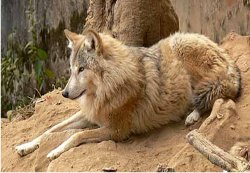
- Light tan in color and grey.
- White or black around the face and along the chest.
- Thick fur.
- Weight up to 62 kg.
Distribution
- Found in the Himalayan regions like Shey-Phoksundo National Park of Nepal.
- India, Nepal, China, Mongolia and globally in other parts.
Social behavior
- Tendency of having small packs.
- Six or eight members in a pack.
- Decent size of territory; several hundred miles long.
- Don’t seem to be as aggressive when it comes to protect the territory.
- Territory maintained through howling, scent-marking and direct killing.
Diet/ Feeding
- Diet is mainly small or medium sized animals.
- Rodents and rabbits.
- Sometimes take down young of larger sized preys.
- They are skilled hunters.
Forage behavior
- In winter, they hunt in packs but they hunt singly during summer.
- Chases ranging from 100 m to more than 5 km are the rule.
- Average daily food consumption rate varies from 2.5 kg to 6.3 kg.
Damage to livestock and crop
- Wolves sometimes come into conflict with the farmers.
Reproduction
- Considered to be mature when reaches two years old.
- Many of them leave the pack when they reach 1 ½ years.
- They want to establish a territory and find a mate before the breeding season.
- Females will have four or six pups.
- Parental care is found in the first couple of months.
Conservation
- Critically endangered species.
- Their population is in reduced number.
- With such a low population, it is very hard to increase their numbers.
- Breeding program is being conducted in India and future aims to release them in the wild.
Tags: