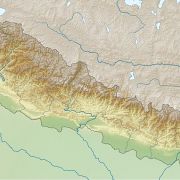
The Strategic Plan for Terai Arc...
- National Conservation Strategy for Nepal, 1988
- Master Plan for the Forestry Sector, 1989
- Nepal Environmental Policy and Action Plan I, 1993
- Nepal Environmental Policy and Action Plan II, 1998
- Revised Forest Policy, 2000
- Nepal Biodiversity Strategy, 2002
- National Wetland Policy, 2003
- Sustainable Development Agenda, 2003
- Nepal Biodiversity Strategy Implementation Plan, 2006
- Three Years Interim Plan (2007/8-2009/10)
- Tarai Arc Landscape Strategy, 2004 (2004-014)
- TAL Implementation Plan, 2006 (2004-014)
- Sacred Himalaya Landscape Strategy
- Old Constitution: State shall give priority attention to the conservation of the environment and also make special arrangement for the conservation of rare animal species, the forests and the vegetation of the country
- New constitution- 40% forest
- Nepal Environmental Policy and Action Plan, 1993: Preservation of endemic and endangered species and their habitats; the promotion of private and public institutions for biological resources inventory and conservation; and the strengthening of the capacity of the DNPWC.
- National Conservation Strategy, 1988: Stresses on Sustainable use of natural resources and compatible land-use.
- Master Plan for Forestry Sector, 1988: representative examples of ecosystems unique to Nepal, areas of Special scientific, scenic, and recreational or cultural values will be protected. Maintenance of the ecological and environmental balance and biological diversity is needed for the sustained well being of the nation. Tourism that affects protected areas will be regulated and kept within the carrying capacity of the local ecosystems.
- Plan for the Conservation of Ecosystems and Genetic Resources, 1988: In-situ and ex-situ conservation of biodiversity. Formulated the relevant policies on biodiversity conservation and designed programs for effective management of protected areas.
- Nepal Biodiversity Strategy, 2002: Based on the principles of CBD- conservation, sustainable use and fair and equitable sharing of benefits
- Government Five Year Plans: Emphasize on conservation of wildlife, ecosystems and genetic resources and equitably sharing benefits with local people, preparation of management plans and involvement of stakeholders in conservation legislation preparation, EIA guidelines, pro-poor and livelihood Participatory approaches in conservation (institutionalization of CBOs, revenue sharing, resource management and Sustainable use Landscape Level Biodiversity Conservation (ecoregion base)
- First Five year Plan (2013-2018)
- Second triannual plan (2019-2022)
- Third Five year Plan (2022-2027)
- Fourth Five year Plan ( 2027/28-2031/32)
- Fifth Five year Plan (2032/33-2036/37)
- Sixth Five year Plan (2036/37-2041/42)
- Seventh Five year Plan (2042/43-2046/47)
- Eighth Five year Plan (2049-2054)
- Wetlands Policy 2003- wise-use of wetlands, participatory Management, National Wetland Committee
- Protected Area Management Plans
- Species Action Plans
- Wildlife Farming, Breeding, and Research
- Captive Elephant Management
- Contracting the management of National Parks, Reserves and Conservation Area to NGOs 2003
- Working Policy on Construction and Development Projects in PA 2065
- Wildlife Damage Relief Guidelines 2066
Working policy related to wildlife conservation
- National wetland policy 2003 approved on 6 March 2025 (2025/11/22)
- Working policy on wildlife farming breeding and research, 2003 approved on 28 August, 2003 (2025.5.11)
- Domesticate Elephant Management Policy, 2060 (2003) approved on 16 september 2025 (2025/5/30 BS)