
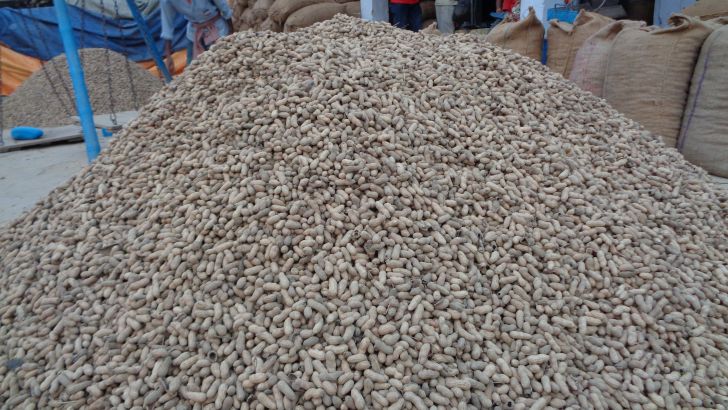


Twenty five groundnut genotypes were collected from National Oilseed Research Program (NORP), Nawalpur, Sarlahi, Nepal along with local checks (B -4, Jyoti and Jayanti) were used to study their genetic variability of pod yield, oil and protein content. The study helps to expand the options of variety for pod yield, oil and protein content as per farmers need. Significant variations were observed for all the characters in all the genotypes used in the experiment.
Environmental degradation and poverty are inseparably linked in a vicious and negative cycle. The physical environment is closely linked with conditions in the watersheds of Nepal's river systems. Many of these watersheds are over-exploited and degraded. Human activity, combined with natural factors such as steep slopes, fragile geology and intensive monsoon rains, result in extensive soil loss and siltation of rivers and dams. This, in turn, increases the risk of severe flooding, deterioration of the overall environment, displacement of people and economic losses.
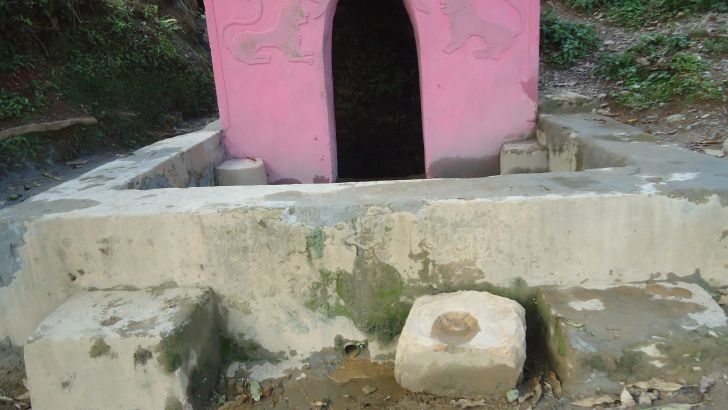
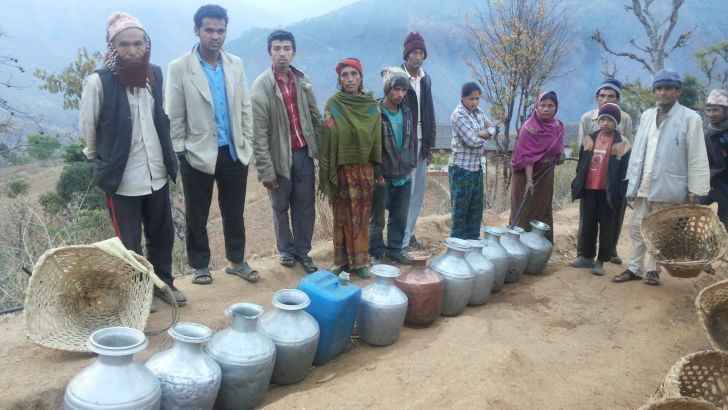
Abstract: In Nepal, water is often associated with disaster of landslides and floods destroy farms, even entire village, displacing hundreds of people from their place of origin. In recent times, districts of Nepal have shown signs of vulnerability to environmental stress, particularly drought related stress. The spring of the hill's local water sources are drying up rapidly, while in the Terai ground water is depleting.
Sign up now to join forestryNEPAL - an online community of people interested in Nepalese forestry and related sector. Connect with your peers, share your work, and make your opinion count!