Can you imagine yourself standing on the top of the world, looking out over the breathtaking sights from the top of our planet? Everest is a majestic mountain, and it is set to begin right here in Delhi. If you want to do something truly special, you can make it to Mount Everest from Delhi on a virtual expedition.
A detailed itinerary is required for the Mount Everest journey from Delhi, which includes a thrilling flight to Kathmandu, a thrilling hop to Lukla, and a scenic trek through the Himalayas to the iconic Everest Base Camp. There is more to it than that, because our detailed guide will walk you through each step of the adventure, ensuring that you are completely prepared for the experience of a lifetime.
So, strap in your seatbelt (or hiking boots!) and enjoy the journey from Delhi’s teeming streets to the majestic heights of Mount Everest. If you’re ready, get started with the dream you’ve had since you were a child.
Planning Your Mount Everest Expedition

When embarking on the awe-inspiring journey to conquer Mount Everest, meticulous planning becomes your most faithful companion. This is where the foundation of a successful expedition is laid, encompassing the understanding of the basics and setting a budget that aligns with your aspirations. In this segment, we delve deep into the crucial phase of planning your Mount Everest expedition, deciphering the intricacies of preparation and financial management.
A. Understanding the Basics
Preparation, in the context of Everest, is not merely a formality; it’s the bedrock upon which your entire adventure rests. Picture yourself at the foothills of the world’s tallest peak, and you’ll comprehend the significance of readiness. It’s about being ready, both physically and mentally, to conquer not just the mountain’s towering heights but also the challenges that come with it.Physical fitness is your passport to the summit. Mount Everest doesn’t compromise on its stature, and neither should you on your physical well-being. Your body will be pushed to extremes, so it’s paramount that you’re in peak condition. Months of cardio, strength training, and altitude simulation are in order. Mental fortitude is equally essential, for the mind can be your greatest ally or adversary. Developing resilience and mental readiness is non-negotiable; it’s what keeps you going when the going gets tough.
However, physical and mental readiness alone won’t suffice. The Everest region is a unique realm, with its own set of challenges, climatic idiosyncrasies, and cultural nuances. It’s a world where preparation extends to understanding the terrain, acclimatization processes, and local customs. Research becomes your guiding star. Dive into the Everest region’s geography, the varying seasons, and the best time to attempt your ascent. Grasp the intricacies of altitude sickness and how to prevent it. Learn about the local Sherpa communities, their invaluable role, and the customs that make your journey not just an adventure but a cultural experience.
B. Setting a Budget
Mount Everest’s grandeur is matched only by the costs it incurs. An Everest expedition isn’t a mere weekend getaway; it’s a substantial financial commitment. Understanding the cost considerations is pivotal in ensuring your journey doesn’t run out of steam halfway up the mountain.Discussing the budget isn’t about deterring aspiring adventurers; it’s about providing clarity. The Everest expedition cost varies depending on several factors, such as the route, the guide’s expertise, and the duration. As of 2021, a typical expedition can range from $35,000 to $90,000. It’s not pocket change, but the experience is worth its weight in gold.
Budget allocation is the art of making every dollar count. Prioritize expenses wisely; safety and the services of experienced guides should top the list. Invest in quality gear that can withstand the harsh Himalayan conditions. Keep in mind that even seemingly small expenses, like permits and insurance, add up significantly.
While self-funding is an option, many seek financial support to embark on this epic journey. Potential avenues include corporate sponsorships, crowdfunding, or partnering with organizations that align with your expedition’s purpose. The key is to be resourceful, leveraging your passion and purpose to secure the financial backing necessary.
The Route: Delhi to Kathmandu
When embarking on your epic journey to Mount Everest, the first leg of your expedition begins with the route from Delhi to Kathmandu. This segment of the adventure sets the stage for the Himalayan odyssey that awaits, encompassing two vital aspects: the flight options from Delhi to Kathmandu and the significance of Kathmandu as the gateway to Everest.A. Delhi to Kathmandu by Air
Navigating the aerial pathways from the bustling city of Delhi to the picturesque capital of Nepal, Kathmandu, is your initial step towards the world’s tallest peak. Understanding your flight options is crucial:Direct Flights: While there are no direct flights from Delhi to Kathmandu, connecting flights are readily available. Major airlines like Air India, IndiGo, and Nepal Airlines operate connecting flights with layovers in cities such as Kolkata or Varanasi. These layovers are typically short, making it a convenient choice.
Choosing the Right Layover: When booking your flight, consider the layover city and its duration. Kolkata and Varanasi are popular layover cities, each offering its unique charm. If you have some time to spare, explore the cultural richness of these cities, adding a unique dimension to your journey.
Booking Affordable Flights: To make the most of your budget, it’s advisable to book your flight well in advance. Prices tend to fluctuate, so keep an eye out for deals and discounts. Additionally, consider flexible travel dates to secure more affordable options.
Visa Requirements for Nepal: Nepal requires a visa for entry, and it’s best to acquire it in advance. The tourist visa can be obtained from the Embassy of Nepal in Delhi or through the online application process. Ensure you have the necessary documentation, including a valid passport and passport-sized photographs, for a hassle-free visa application.
B. Kathmandu: The Gateway to Everest
Kathmandu, the vibrant capital of Nepal, serves as the launching pad for your Everest adventure. This culturally rich city is not just a pitstop but an integral part of the journey:The Starting Point: Kathmandu is where your expedition truly begins. Here, you’ll meet your guides, fellow trekkers, and embark on the scenic journey to Lukla, where your trekking adventure officially commences.
Cultural Attractions: Before setting out on your trek, take some time to explore the cultural marvels of Kathmandu. Visit the UNESCO World Heritage Sites like Swayambhunath (the Monkey Temple), Pashupatinath Temple, and Boudhanath Stupa. These ancient sites offer insights into Nepal’s rich history and spiritual traditions.
Permits and Paperwork: Kathmandu is also the place to obtain the necessary permits for your Everest trek. The Sagarmatha National Park Entry Permit and the TIMS (Trekkers’ Information Management System) card are essential documents that allow you to access the Everest region. Your trekking agency or guide will assist you in securing these permits.
In essence, the route from Delhi to Kathmandu marks the transition from urban hustle to the serene Himalayan landscapes. It’s a journey that intertwines logistical considerations with cultural exploration, setting the stage for the unparalleled adventure that lies ahead. As you step off the plane and into the heart of Kathmandu, you’ll sense the anticipation in the air, knowing that you’re on the cusp of an incredible Everest expedition.
The Trek Begins: Kathmandu to Lukla

A. Kathmandu to Lukla Flight
The flight from Kathmandu to Lukla is not just a means of transportation; it’s an experience in itself. Here, we detail what you can expect:Scenic Beauty and Challenges: This 30 to 35-minute flight takes you through the awe-inspiring landscapes of the Himalayas. As your plane ascends, you’ll be treated to panoramic views of lush valleys, terraced fields, and snow-capped peaks. However, it’s not just the scenery that makes this flight remarkable; it’s also known for its challenges. The Lukla airport, also known as Tenzing-Hillary Airport, has a short runway perched on a steep slope, making it one of the most challenging and thrilling landings in the world. But rest assured, the skilled pilots are well-versed in navigating this terrain, ensuring your safety.
Securing Tickets: To secure your seat on this coveted flight, it’s advisable to book well in advance, especially during the peak trekking seasons of spring and autumn. Many trekking agencies can assist with ticket bookings. Be prepared for some flexibility in your travel plans, as weather conditions can sometimes lead to flight delays or cancellations. It’s part of the adventure, and patience is key.
B. Trekking from Lukla to Namche Bazaar
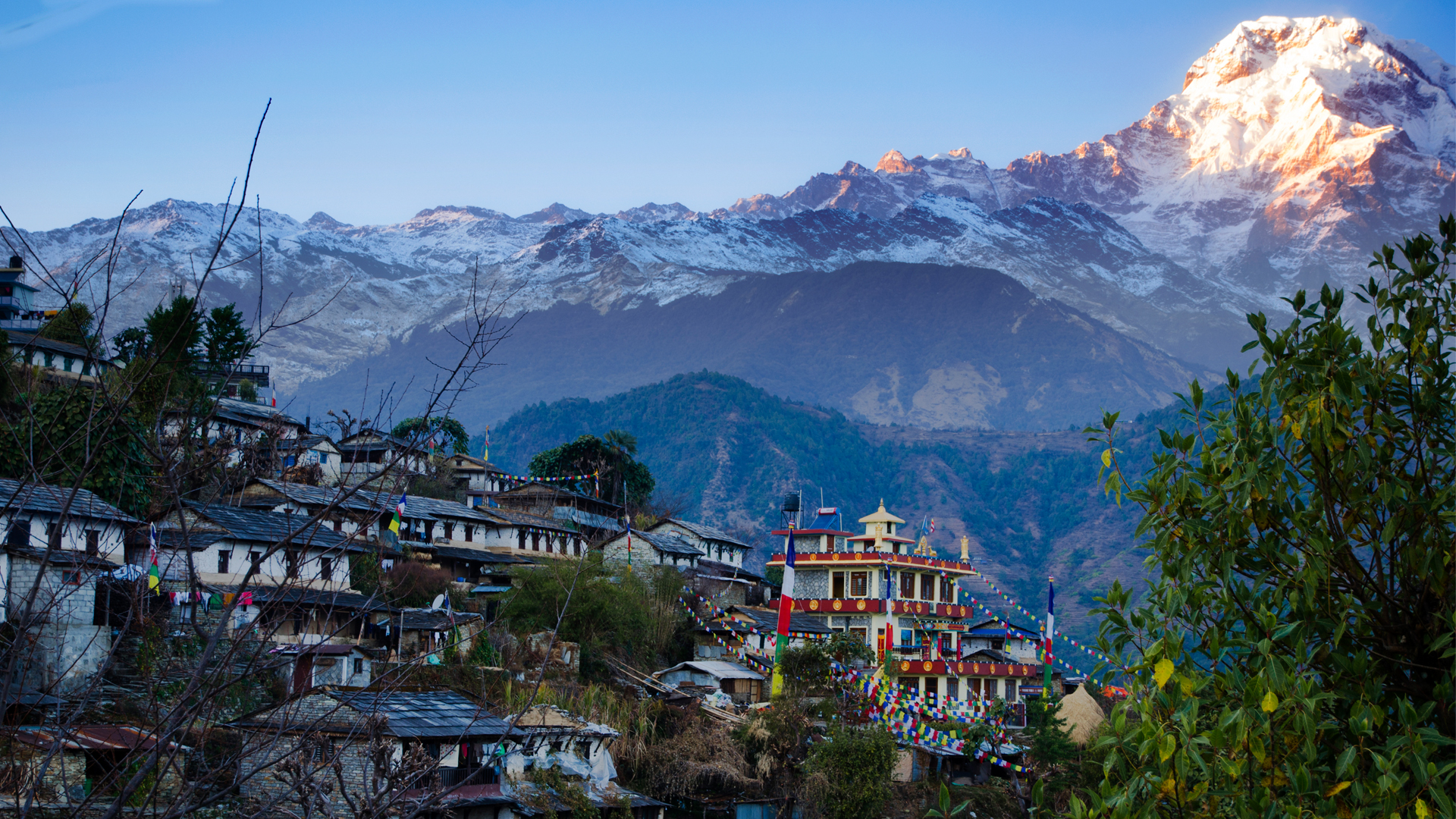
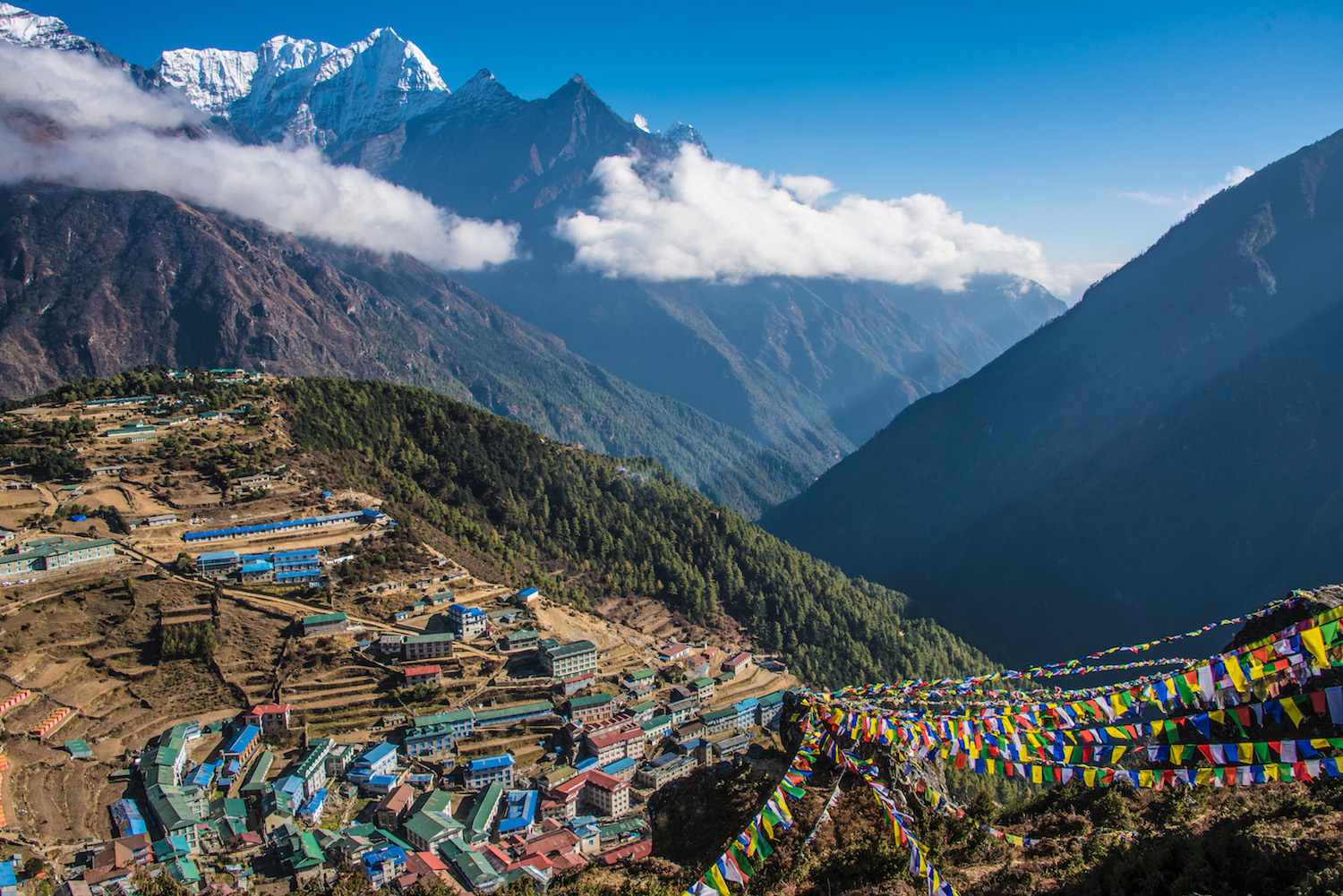
With your feet firmly on Lukla’s soil, it’s time to embark on the trek from Lukla to Namche Bazaar, a journey that promises breathtaking scenery and cultural immersion:The Trekking Trail: The trail from Lukla to Namche Bazaar is a well-trodden path that offers a taste of the Himalayan wilderness. As you set off, you’ll traverse through dense forests of rhododendron and pine, cross suspension bridges over rushing rivers, and catch glimpses of traditional Sherpa villages. The terrain is a mix of ascents and descents, offering a taste of the challenges and rewards that lie ahead.
Acclimatization and Rest Stops: Acclimatization is a crucial aspect of your journey, as you gradually ascend to higher altitudes. Along the trail, there are designated rest stops where you can acclimatize and catch your breath. Namche Bazaar itself is an ideal place for acclimatization, as it’s located at an elevation of around 3,440 meters (11,286 feet). This allows your body to adapt to the thinning air, reducing the risk of altitude sickness.
Teahouses and Accommodation: Throughout the trek, you’ll find a network of teahouses and lodges that provide shelter, food, and camaraderie with fellow trekkers. These cozy accommodations offer a chance to experience the hospitality of the local Sherpa communities. While basic, they provide the essentials for a comfortable night’s rest and hearty meals to fuel your journey.
As you traverse from Lukla to Namche Bazaar, the sense of anticipation and wonder intensifies with every step. The Himalayan vistas, the thrill of the Lukla flight, and the camaraderie of fellow trekkers combine to create an unforgettable experience. It’s a trek that not only tests your physical endurance but also immerses you in the rich culture of the Everest region. Each day brings you closer to your ultimate goal—reaching Everest Base Camp—and as you navigate this captivating terrain, you’ll come to appreciate the true essence of adventure in the Himalayas.
The Everest Base Camp Trek
The Everest Base Camp Trek is where your journey reaches its zenith, both figuratively and literally. This segment of your adventure, from Namche Bazaar to Everest Base Camp, is a captivating odyssey through the heart of the Himalayas.A. Namche Bazaar to Everest Base Camp
As you leave the vibrant Namche Bazaar behind, you’ll embark on a trail that winds its way through a pristine Himalayan landscape. The trekking route from Namche Bazaar to Everest Base Camp is a mesmerizing journey that captures the essence of the Everest region:The Trekking Route: The trail from Namche Bazaar to Everest Base Camp weaves through a terrain characterized by alpine forests, suspension bridges, and quaint Sherpa villages. You’ll pass by villages like Tengboche, known for its picturesque monastery, and Dingboche, offering breathtaking vistas of Ama Dablam and Lhotse. The path leads you through the Khumbu Glacier’s rocky moraine, a stark yet captivating landscape that signifies your approach to Everest.
Key Attractions Along the Way: The journey is punctuated by key attractions that offer moments of awe and reflection. The Tengboche Monastery, with its ornate architecture and serene surroundings, provides a spiritual pause amid the wilderness. The viewpoint at Kala Patthar, though a challenging ascent, rewards you with unrivaled views of Everest’s towering peak. These attractions not only showcase the Himalayan beauty but also offer cultural insights into the region’s Sherpa heritage.
Importance of Acclimatization: Acclimatization becomes increasingly crucial as you ascend to higher altitudes. The trail gradually gains elevation, and it’s essential to take your time to adapt to the thinning air. Rest days in villages like Dingboche and Gorakshep are strategically planned to facilitate acclimatization. These breaks allow your body to adjust and minimize the risk of altitude sickness, ensuring a safer and more enjoyable trek.
B. Life at Everest Base Camp
Reaching Everest Base Camp is a triumph in itself, but life at this high-altitude haven offers a unique perspective on the challenges and rewards of the Everest experience:Insights into Base Camp Life: Everest Base Camp is a bustling hub during the peak climbing season, with climbers, trekkers, and expedition teams converging from around the world. The camp is a testament to human resilience and ambition, where climbers prepare physically and mentally for their summit attempts. It’s a temporary settlement, complete with communication facilities, dining tents, and medical support.
Challenges and Rewards: Life at Base Camp is not without its challenges. The extreme cold, high winds, and limited creature comforts test one’s endurance. Yet, it’s also a place of camaraderie, where adventurers from diverse backgrounds share stories and form lasting bonds. The reward lies in the sense of accomplishment, standing at the doorstep of the world’s highest peak, and witnessing the stunning views of Everest and its neighboring giants.
The Role of Sherpas and Guides: The Sherpas, native to the Everest region, play an indispensable role in ensuring the safety and success of climbers and trekkers. Their intimate knowledge of the terrain, immense strength, and unwavering dedication make them invaluable companions on this journey. Sherpa guides, often multilingual and experienced, provide insights into the local culture and ensure trekkers have a safe and memorable experience.
Reaching New Heights: Summiting Mount Everest

A. Training and Preparation
Preparing for an Everest summit is an arduous journey in itself, demanding physical, mental, and emotional fortitude:Training Requirements: The training required to summit Everest is relentless. Months of rigorous physical conditioning are essential to build strength, endurance, and cardiovascular fitness. This includes aerobic exercises, strength training, and altitude simulation. Climbers simulate high-altitude conditions by spending time in hypobaric chambers or ascending other peaks. The goal is to prepare the body for the thin air and harsh conditions at extreme altitudes.
Acclimatization Process: Acclimatization is the linchpin of any Everest expedition. Climbers gradually ascend to higher altitudes, allowing their bodies to adapt to the decreasing oxygen levels. Stopping at base camps and high camps along the route helps prevent altitude sickness. The process is painstakingly slow, but it’s the key to ensuring that climbers are physically prepared for the final ascent.
Mental Strength: Equally crucial is mental preparation. The Everest climb is fraught with challenges, from unpredictable weather to physical exhaustion and the constant risk of avalanches or crevasse falls. Climbers must cultivate mental resilience to stay focused and determined in the face of adversity. Visualization techniques and mental conditioning play a pivotal role in building this mental fortitude.
B. The Final Ascent
The final push to the summit of Mount Everest is an awe-inspiring and perilous endeavor that requires meticulous planning and unwavering resolve:The Final Push: The journey from Base Camp to the summit is marked by several camps at higher altitudes, each serving as a stepping stone towards the ultimate goal. Climbers make their final push from Camp 4, also known as the South Col, where they set out in the dead of night, illuminated by headlamps, to capitalize on the frozen conditions. The ascent to the summit is a grueling climb through the infamous Hillary Step, a vertical rock wall, and the South Summit.
Safety Measures and Equipment: Safety is paramount during the summit attempt. Climbers are equipped with state-of-the-art gear, including oxygen tanks and masks to combat the thin air. Ropes and ladders are used to navigate treacherous crevasses and steep sections. Experienced guides and Sherpas play a vital role in ensuring climbers’ safety, setting ropes, and assisting when needed.
Success Stories: Every successful Everest summit is a testament to human perseverance and the indomitable spirit. Stories abound of climbers who overcame immense odds to reach the pinnacle. Climbers like Sir Edmund Hillary and Tenzing Norgay, the first to conquer Everest in 1953, continue to inspire generations. Modern climbers, too, share their stories of triumph, like Junko Tabei, the first woman to summit Everest, and Reinhold Messner, who achieved the first solo ascent.
Safety and Health Considerations
When embarking on the epic journey to conquer Mount Everest, safety and health considerations take center stage. Here, we delve into two critical aspects of any Everest expedition: Altitude Sickness and Emergency Evacuation.A. Altitude Sickness
Altitude sickness, also known as acute mountain sickness (AMS), is a common concern when ascending to high altitudes. Understanding its symptoms, prevention, and treatment is crucial for a successful Everest expedition:Symptoms: AMS typically manifests as headaches, dizziness, nausea, and fatigue. It can progress to more severe forms, such as high-altitude pulmonary edema (HAPE) and high-altitude cerebral edema (HACE), which can be life-threatening. Recognizing the early signs is imperative to prevent worsening conditions.
Prevention: The best defense against AMS is a gradual ascent. Climbers should acclimatize by spending time at higher elevations before attempting the summit. Staying properly hydrated, avoiding alcohol and tobacco, and consuming a balanced diet also aid in prevention. Many trekkers take prescribed medications, such as acetazolamide, to assist with acclimatization.
Treatment: If AMS symptoms occur, it’s essential to address them promptly. Descending to a lower elevation is the most effective treatment. Rest, hydration, and supplemental oxygen can alleviate mild symptoms. For severe cases, immediate descent and medical attention are critical. Knowing when to turn back to lower altitudes can be a life-saving decision.
B. Emergency Evacuation
In the challenging environment of the Everest region, emergency evacuation procedures are vital for ensuring the safety of climbers and trekkers:Procedures: In the event of a medical emergency or severe altitude sickness, climbers may require emergency evacuation. This typically involves helicopter rescue. Climbers must be prepared to provide accurate information about their location and condition. Helicopter evacuations are complex due to the high altitude and unpredictable weather, so climbers must be patient and cooperative.
Importance of Insurance: Comprehensive travel insurance that covers emergency evacuations is a non-negotiable for Everest expeditions. This insurance provides peace of mind and financial protection in case of unforeseen emergencies. It’s crucial to carefully review insurance policies to ensure they meet the specific needs of Everest treks.
Contact Information for Rescue Services: Familiarize yourself with the contact information for rescue services in the Everest region. Trekking agencies and local authorities can provide this information. Having this knowledge readily available can expedite the response time in case of an emergency.
In summary, safety and health considerations are paramount when embarking on the incredible journey to Mount Everest. Understanding altitude sickness, its symptoms, prevention, and treatment is essential for a safe ascent. Additionally, being prepared for emergency evacuations, having the right insurance coverage, and knowing how to contact rescue services can make all the difference in ensuring the well-being of trekkers and climbers in this challenging environment. Ultimately, a well-informed and cautious approach enhances the chances of a successful and safe Everest expedition.
Returning to Delhi
The return journey from the summit of Mount Everest to the bustling streets of Delhi marks the culmination of an extraordinary adventure. This segment explores the descent from Everest Base Camp to Lukla and the flight from Kathmandu to Delhi, ensuring a safe return and offering insights into post-expedition relaxation.A. The Descent
Descending from the Everest region is an opportunity to savor the remarkable landscapes and reflect on the challenges overcome:The Journey Back: The descent from Everest Base Camp to Lukla retraces the steps of your ascent but with a fresh perspective. As you make your way through the picturesque Himalayan terrain, you’ll have a chance to revisit the villages and natural wonders you encountered on the way up. The return journey often feels like a reunion with familiar faces and places.
Highlights During the Return Trek: The descent isn’t just a reverse of your ascent; it offers unique highlights. Villages like Namche Bazaar and Phakding provide opportunities for last-minute shopping, cultural experiences, and perhaps a well-deserved treat. The suspension bridges, prayer flags, and the friendly Sherpa people continue to enchant as you descend. The serene rhododendron forests and the roaring Dudh Koshi River add a touch of enchantment to your journey.
Tips for a Safe Descent: While the descent may seem less daunting than the ascent, it’s not without its challenges. Trekkers should continue to prioritize acclimatization, as descending too rapidly can lead to altitude-related issues. Proper hydration and maintaining a consistent pace are crucial. Additionally, ensuring that you’re well-rested and adequately nourished during the descent is essential.
B. Kathmandu to Delhi
Returning from Lukla to Kathmandu and, subsequently, to Delhi is a transition from the tranquility of the mountains to the vibrant city life:The Return Flight: The flight from Lukla to Kathmandu provides a final opportunity to soak in the Himalayan vistas. The short but scenic flight navigates through the mountains and brings you back to the heart of Nepal’s capital. It’s a journey that contrasts the solitude of the Everest region with the hustle and bustle of city life.
Post-Expedition Rest: After the intense physical and mental challenges of the Everest expedition, it’s advisable to allocate some time for post-expedition rest in Kathmandu. This allows your body to recuperate and adjust to lower altitudes. Whether it’s relaxing in a cozy café, exploring historic sites, or indulging in local cuisine, Kathmandu offers a myriad of options for unwinding.
Suggested Places to Visit in Kathmandu: While waiting for your flight to Delhi, consider exploring some of Kathmandu’s cultural and historical gems. The Swayambhunath Stupa, also known as the Monkey Temple, provides panoramic views of the city. Durbar Square showcases exquisite architecture and local craftsmanship. Thamel, the bustling tourist district, offers a vibrant atmosphere with shops, restaurants, and a taste of Nepalese nightlife.
Post-Expedition Reflection
Embarking on an expedition to Mount Everest is more than just a physical journey; it’s a transformational experience that lingers in your thoughts and shapes your perspective long after you’ve returned to the familiar comforts of everyday life. As you reflect on your Everest journey, it’s an opportunity to explore the profound impact this adventure has on your life and discover ways to stay connected with the vibrant Everest community.Encouragement to Reflect: The post-expedition phase is the perfect time to encourage readers to delve into the depths of their Everest experience. Encourage them to take a moment to sit quietly and reflect on the challenges they conquered, the breathtaking beauty they witnessed, and the personal growth they achieved. This introspection can be a source of inspiration and insight.
Impact on Life: Few experiences can claim to be as life-altering as an Everest expedition. Share the transformative power of pushing one’s boundaries and conquering the world’s highest peak. Discuss how the resilience, determination, and adaptability honed on Everest can be applied to everyday challenges. Whether it’s in the workplace, relationships, or personal aspirations, the lessons learned on the mountain are invaluable.
Staying Connected: The Everest community is a tight-knit, passionate group of individuals who share a common bond—an indomitable spirit of adventure. Encourage readers to stay connected with this community by attending Everest-related events, joining mountaineering clubs, or participating in charity initiatives that support the people of Nepal. Social media platforms and online forums are also excellent avenues for sharing experiences, seeking advice, and fostering connections with fellow enthusiasts.