हिमालय क्रिस्टल नमक को हिंदी में क्या कहा जाता है? हिमालय क्रिस्टल नमक (Himalayan Crystal Salt) एक प्राकृतिक नमक है जो पर्याप्त नमूनों और मिनरल्स के साथ हिमालय पर्वत के नीचे स्थित निकोबार में पाया जाता है। यह एक अतिरिक्त क्षमता के साथ एक प्राकृतिक उत्पाद है जो हिमालय पर्वतीय रेगिस्तान में पाया जाता है। यह नमक को कई तरह के हिंदी नाम दिए गए हैं, ज
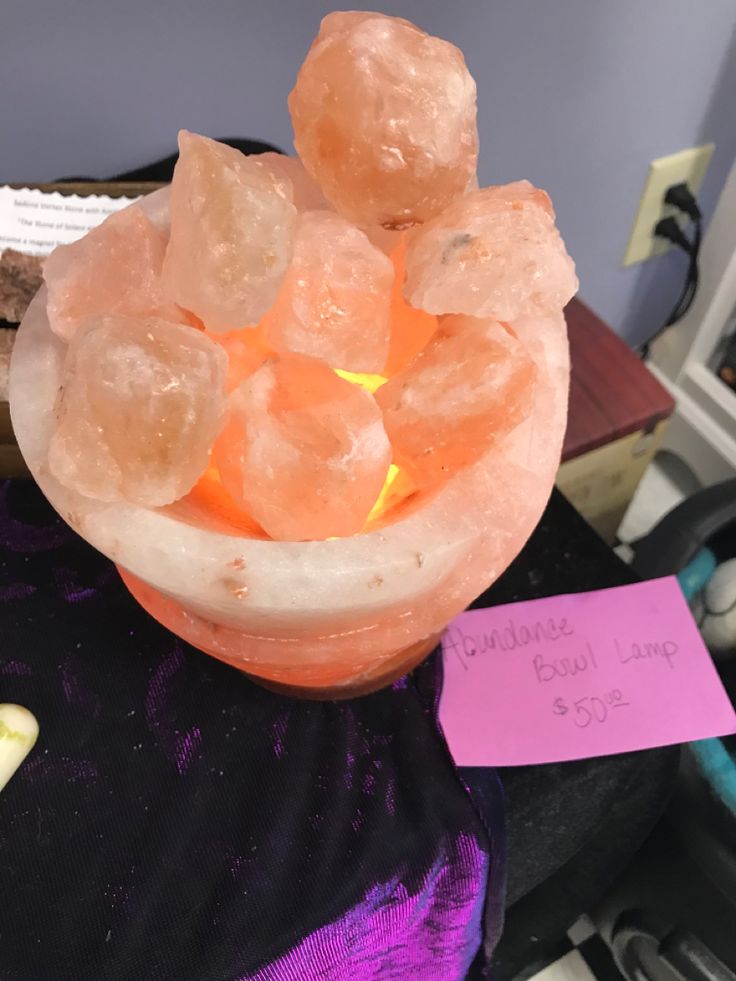
Himalayan salt, also known as limestone, is a type of rock salt mined in the Punjab region of Pakistan. This salt is most commonly used as a food additive to replace refined table salt, but it can also be used as a decorative lamp, as well as in spa treatments and cooking.
The Himalayan pink salt is referred to assendha namak ( Himalayan pink salt). Himalayan rose, also known as pink salt, is one of the most purest forms of salt found on the Pakistan side of the Himalayas. The human body requires 84 natural minerals and nutrients, which it consumes in abundance. It comes in a variety of colors, including white, pink, and yellow.
Is Himalayan Salt And Kala Namak Same?
Black salt from the Himalayas may also be known as kala namak, or Himalayan black salt. Although some studies have suggested that it can help with various ailments, there is insufficient evidence to support these claims. It is commonly used in cooking to flavor Asian and Indian dishes with a pungent, savory, and umami flavor.
It has a strong, pungent flavor that is balanced by a strong, grayish color. Chaat masala, a popular condiment mix in South Asian cuisine, is a favorite. Digestion is an important part of its health benefits, and it aids in the body’s detox process. It is a type of rock salt mined in Himalayan salt mines. It can be found as black salt, Himalayan black salt, or Himalayan black salt. This vegetable has a distinct pink color and a powerful, pungent scent that will have you exclaiming, “What a smell!” Chaat masala, a condiment mix that is made from chaat and other spices, is a South Asian dish made from sodium chloride as well as various sulfur compounds. Black salt has many health benefits, including the ability to aid digestion, detoxify the body, and reduce inflammation. Black salt is a fantastic addition to any kitchen because of its distinct taste and a number of health benefits.
Why Pink Salt Is Called Kala Namak?
Because of the presence of Greigite (Fe 3S 4, Iron(II,III) sulfide), a brownish-pink to dark violet translucent crystal forms when whole. When ground into a powder, its color can range from purple to pink. Ayurveda has praised Kala Namak for its perceived health benefits.
Is Black Salt Himalayan?
Black salt, also known as kala namak or black salt in India, is a volcanic rock salt found in the Himalayas. Himalayan salt contains varying amounts of sulfur compounds as well as sodium chloride (the primary chemical component of salt).
What Is Kala Namak Called In English?
kala namak, also known as Himalayan black salt, is a type of black salt that is found in India. It is derived from salt mines in India, Pakistan, Bangladesh, Nepal, and other Himalayan countries. The use of black salt was discovered in Ayurvedic medicine for its therapeutic and holistic properties.
What Is The Hindi Name Of Pink Salt?
Sendha namak (salt) is formed when salt water from a sea or lake evaporates and leaves behind colorful crystals of sodium chloride. The salt is also known as halite, saindhava lavana, or rock salt. Himalayan pink salt is one of the best-known rock salt varieties, but there are others.
The Difference Between Himalayan Pink Salt And Kala Namak
Pink Himalayan rose, sendha namak, and rock salt (induppu) are naturally occurring salts from Pakistan’s Himalayas. Its pink hue is due to the high mineral content, which is commonly found in its culinary and medicinal properties. Pink salt is regarded as one of the purest salts on the market, containing 84 minerals and nutrients that are required for human health. Aside from calcium, potassium, magnesium, copper, and iron, it is also a good source of fiber. The Kala namak, on the other hand, is a type of salt that is heated to extremely high temperatures in kilns and infused with various ingredients to develop therapeutic properties. This vegetable is frequently used to add a hint of sourness to certain dishes because it has an intense sulfuric flavor. Pink Himalayan salt and kala namak are both thought to be beneficial in their own right, but they aren’t the same thing. Pink salt has a salty flavor, whereas kala namak has a sulfurous flavor and is used to add a hint of sourness to dishes. Pink salt contains more minerals and nutrients, and it is more commonly used in culinary applications than kala namak, which is more commonly used for medicinal purposes.
Is Pink Salt And Induppu Same?
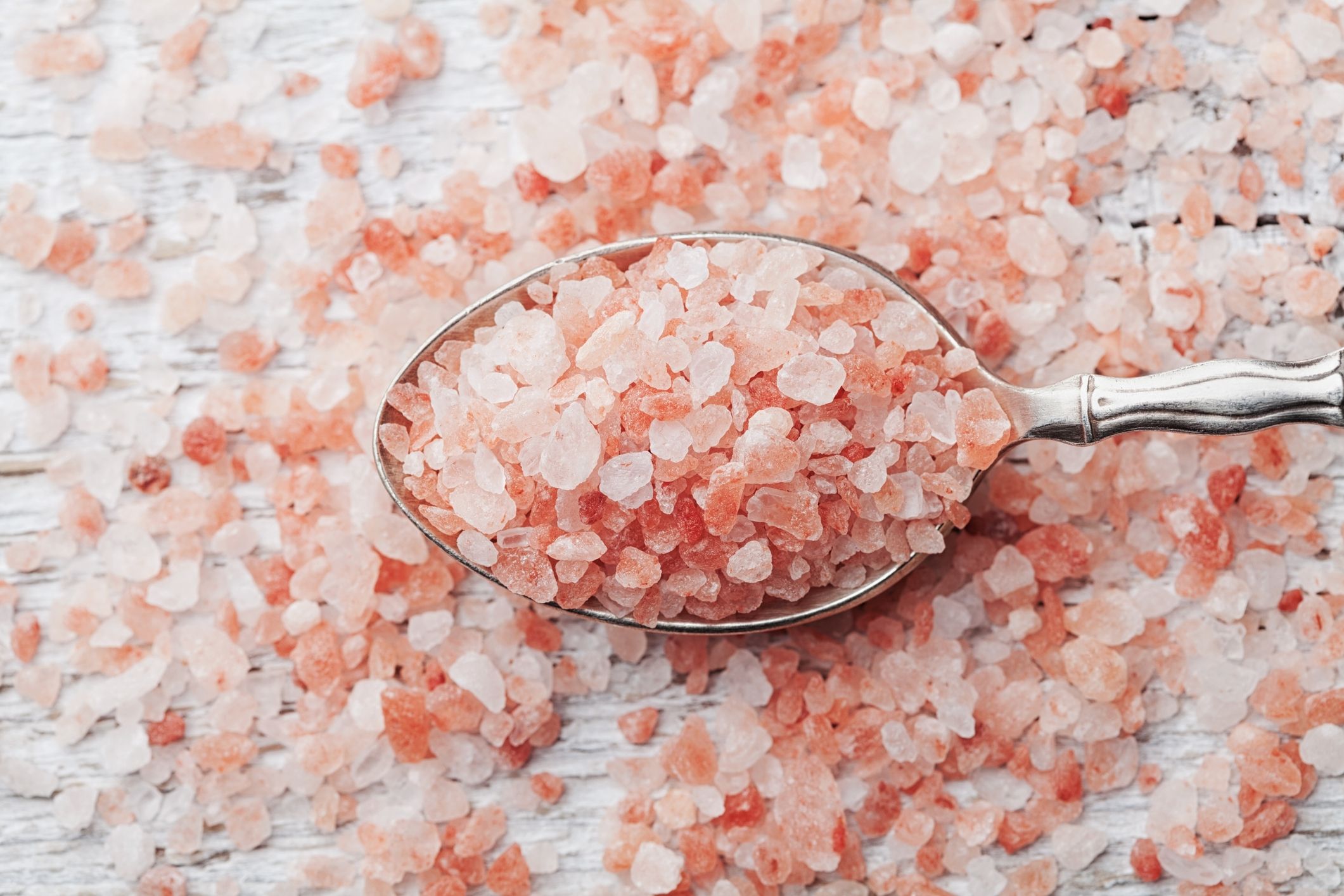
Rock salt (induppu, Pink Salt) is a popular salt variety in Ayurvedic medicine. Pink salts are primarily made up of calcium, potassium, magnesium, copper, and iron. The Malayalam rock salt known as Induppu can restore the delicate balance between sodium and potassium when consumed in moderation.
Discover The Benefits Of Himalayan Pink Rock Salt
Himalayan Pink Rock salt, also known as halite, saindhava lavana, or rock salt, is a mineral halite that is scientifically known as sodium chloride and is made by the chemical formula NaCl. Ayurveda, an ancient Indian system of alternative medicine, has valued it highly, and it is widely regarded as one of the best rock salt options. Pink salt is commonly referred to as Himalayan salt because it is mined from the Khewra Salt Mine in Punjab, Pakistan, which is located south of the Himalayas. The term Himalayan is frequently associated with pink salt, but not all pink salt is Himalayan, and these two terms cannot be confused. The Himalayan pink salt’s pink hue is due to its mineral content, which makes it unique. Furthermore, it is one of the purest forms of salt on the market, making it an excellent choice for both cooking and other applications.
Rock Salt In Hindi
रॉक साल्ट एक प्रकार का साल्ट है जो पृथ्वी पर हमें आपूर्ति करती है। यह उत्पाद सामान्य तौर पर पूरी माप में होता है। यह प्राकृतिक तौर पर पाया जाता है और हमारे शरीर को बहुत से औषधीय गुण प्रदान करता है।
The Differences Between Kala Namak And Induppu Rock Salts
Rock salt is a mineral that is primarily composed of sodium chloride and is found in a wide range of regions around the world. It is widely regarded as table salt because it is used in cooking as a seasoning and preservative. It is a type of black salt mined in the Himalayan region, which includes India, Pakistan, Bangladesh, and Nepal. It is a crucial component of traditional Ayurvedic medicine and is known for its healing properties. Rock salt is also known as induppu in Malayalam, and it is widely used in diets to help lower sodium and potassium levels. Despite the fact that both are rock salt, Kala Namak and Induppu are not the same, with Kala Namak having a yellow hue, whereas Induppu has a brownish hue. Indikpu, on the other hand, has a white color that has a milder flavor; whereas Kala Namak is brownish grey with a sulfurous aroma and taste. Aside from their health benefits, these foods also aid digestion, as do Induppu and Kala Namak, which balance sodium and potassium levels. Because Kala Namak and Induppu are both rock salt forms, their color, flavor, and health benefits differ.
Himalayan Salt Benefits
Himalayan salt is an ancient source of mineral-rich salt that has been used for centuries to improve health. Himalayan salt is known for its many health benefits, including its ability to balance electrolytes in the body, improve hydration, and reduce inflammation. It also helps to reduce muscle cramps and fatigue, improve sleep, and provide essential trace minerals. Himalayan salt also helps to regulate blood pressure, improve digestion, and reduce anxiety. Furthermore, its anti-bacterial and anti-fungal properties make it a great choice for those looking for a natural remedy for skin conditions such as acne, psoriasis, and eczema. Finally, Himalayan salt is also known for its ability to boost energy and mood, making it a great addition to any health and wellness routine.
Many of us have been told to reduce our sodium intake as a result of health concerns in recent years. It is unfortunate that the majority of us still consume far too much sodium, which can have long-term negative consequences. It is not necessary to use regular iodized table salt or Himalayan sea salt to obtain your sodium; however, excessive sodium consumption can have harmful consequences such as elevated blood pressure and other health problems. Himalayan sea salt is gaining popularity as an all-natural and healthier alternative to salt found in common household items. This is a hand-mined and ground product containing 84 essential trace elements. This type of salt is naturally occurring, but excessive consumption can be harmful to your health. As a result, you should aim for a sodium intake of 1,500 milligrams per day. Himalayan sea salt may have some health benefits, but it is still important to consider your daily sodium intake when using it.
The Benefits Of Himalayan Salt: A Mineral-rich Alternative To Table Salt
Himalayan salt, an excellent mineral-rich salt, can benefit the body in a variety of ways. Potassium, iron, and calcium, as well as a number of other minerals and elements, are all part of the diet, which aids in the body’s natural detox process and promotes the removal of bacteria. Despite the fact that it can be a good substitute for table salt due to its high potassium and magnesium content, it also contains a high sodium content, which may be harmful to those with high blood pressure. The health benefits of Himalayan salt outweigh the risks associated with it; Himalayan salt is hand-mined and ground, forming all of its minerals naturally with trace elements that are important to our bodies.