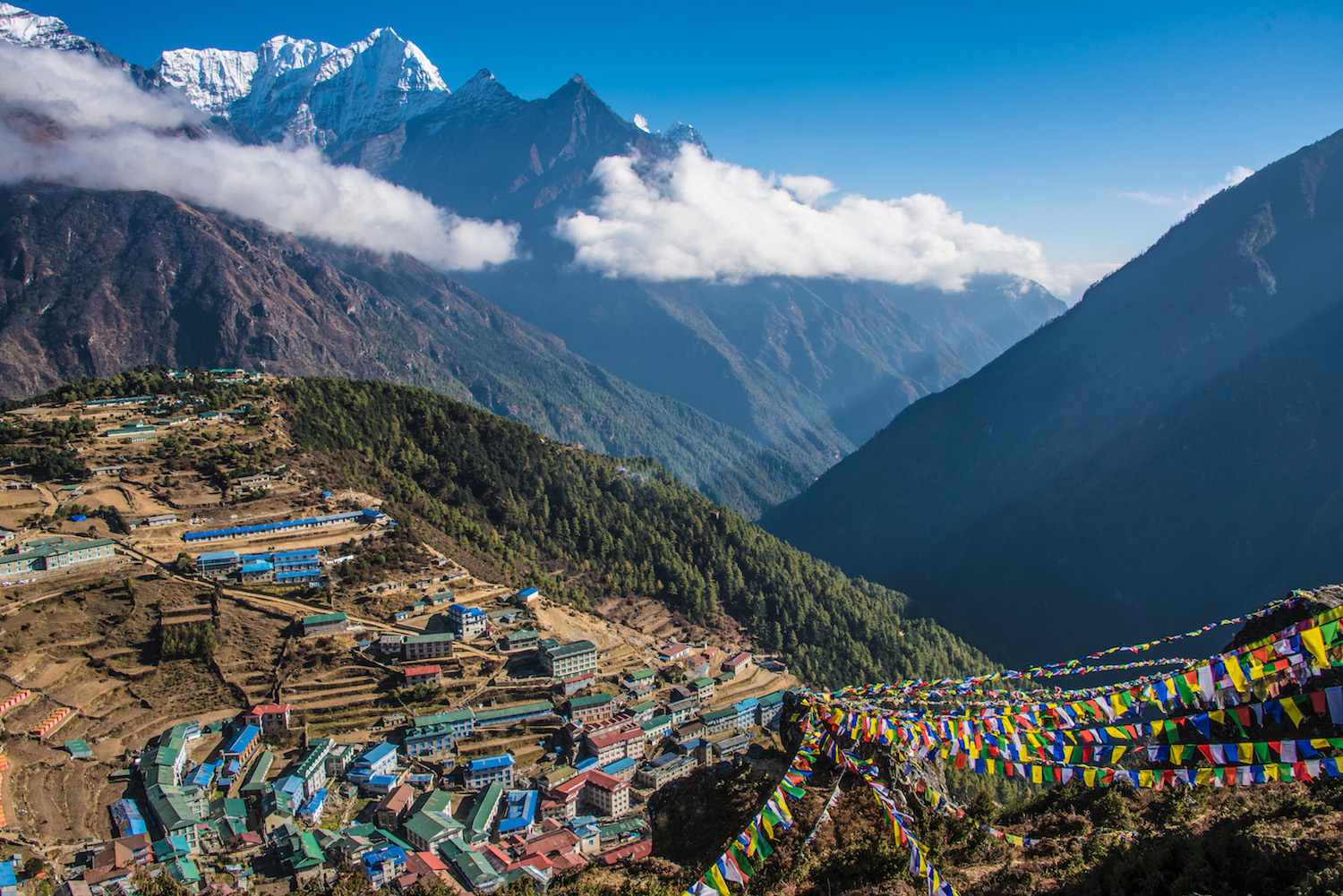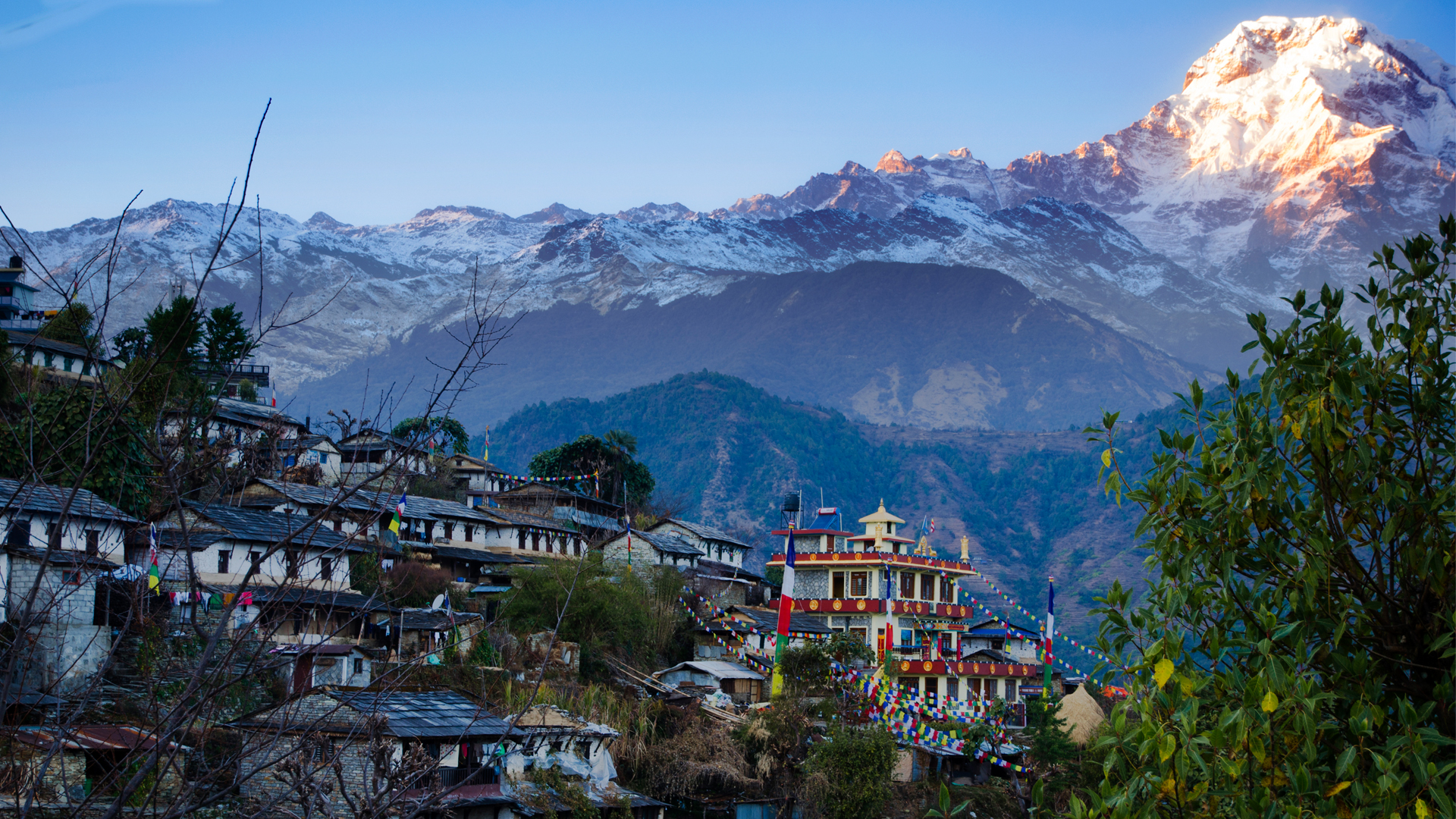
Nepal, officially the Federal Democratic Republic of Nepal, is a landlocked country in South Asia. It is bordered by China in the north and India in the south, east, and west, while Bangladesh is located within only 27 km (17 mi) of its southeastern tip and Bhutan is separated from it by the Indian state of Sikkim. Nepal has a diverse geography, including fertile plains, subalpine forested hills, and eight of the world’s ten tallest mountains, including Mount Everest, the highest point on Earth. Kathmandu is the capital and the largest city. Nepal is a multiethnic country with Nepali as the official language. The name “Nepal” is first recorded in texts from the Vedic period of the Indian subcontinent, the era in ancient India when Hinduism was founded, the earliest texts referring to the country are the Rigveda, the Upanishads, the Aitareya and the Atharvaveda. In the Rigveda, Nepal is mentioned as the far northern limits of the middle kingdom of Asia, a component of the “extended Vedic world”. Nepal is also mentioned in the Atharvaveda, and the Narayana Sukta of the Rigveda may be referring to the same area. The name Nepal first appears in a late 15th-century manuscript, a translation of the Sanskrit work Swayambhu Purana.
Nepal, a country in South Asia, shares a landlocked border with India. It is surrounded on three sides by China and India, with China bordered to the north, India to the south, and India to the east and west. Mount Everest is one of eight of the world’s ten highest mountains in the country’s mountainous north. Nepal uses a Type D Indian 5 amp BS-546 plug or a European CEE 7/16 Europlug to power the country’s electrical system. The voltage at this time is 220-240V. In large cities like Pokhara and Kathmandu, there is an abundance of electricity. Teahouses are a good place to charge your electronic devices if you’re trekking along a route. In Nepal, the season for trekking and tourism peaks in the Autumn months.
There is only one time when it is not advisable to venture into the mountains during the monsoon season. Because of the steep terrain in the Himalaya, trekking is extremely dangerous due to the risk of landslide. This book is published by National Geographic and has the following ISBN: 1566828951. From Tibet and Nepal, Mount Everest is ascended. Island Peak (Imja Tse), 1:20,000, Gecko Maps, Nepa Maps, ISBN: 9993323004,99993323005. Pikey – Everest, N000010238. Jiri – Pikey – Everest, 1:125,000; Schneider Nepal Maps, N000010238. Mountains of the Mind: A History of Fascination and Climbing The Climb: tragic Ambitions on Everest, Anatoli Boukreev, Pan, and Other Stories
Before entering a Nepalese home, it is a good idea to remove your shoes as you enter a temple (leather items in Hindu temples) or monastry (blood-stained clothes). When eating with your left hand, don’t feed beef to Hindus; they strictly prohibit it. If you’re going out, you shouldn’t eat from your plate, and you shouldn’t touch the same vessels with your lips as others.
Despite being one of the safest countries on the planet, it is not as well-known as others. In Nepal, crime is relatively low. Local, healthy foods are usually available for a low cost. There is never a lot of heat in the weather, and it is always comfortably warm in the winter months.
Serious crime is uncommon in Nepal. Nonetheless, you should take precautions. Pickpocketing and bag snatching are common in Kathmandu, particularly in airports, buses, and areas frequented by foreign nationals, such as the districts of Kupondol, Sanepa, and Thamel. Take extra care when walking at night.
Despite this, Nepal, like nearly all other countries, has traditionally maintained a non-aligned policy and maintains friendly relations with its neighbors and most of the major countries on the planet.
What Is Special About Nepal?
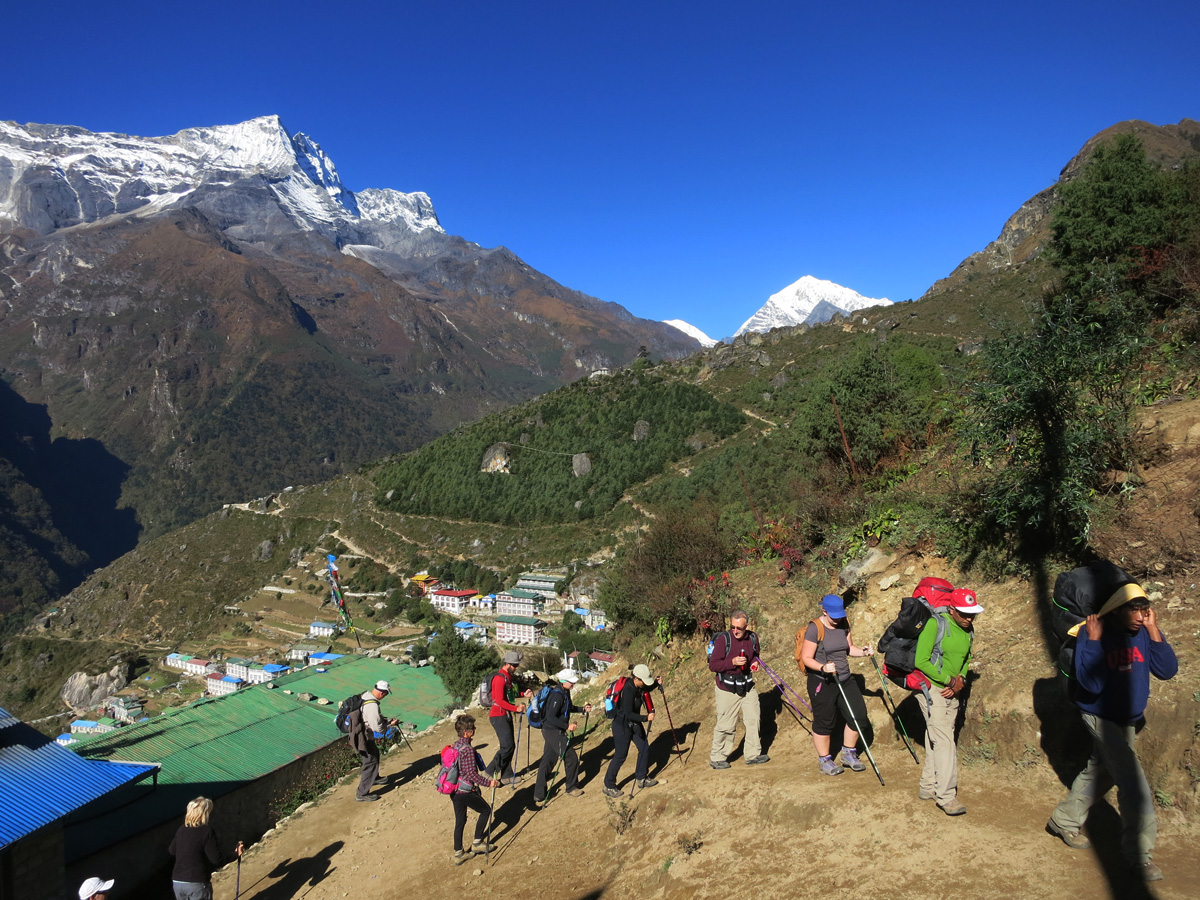
Mount Everest, also known as Sagarmatha, is the highest mountain in the world and is located in Nepal. This is a unique country with a starting elevation of 70 meters and a peak of 8848 meters that is easily reached via the main road. It’s easy to see why Mount Everest is unique among the world’s mountains.
Mount Everest, the highest mountain on the planet, is one of eight highest peaks in Nepal. The Amazon is a region in Asia named after its many unique species of flora and fauna. Cow slaughter is prohibited during the Nepali New Year, which is observed in mid-April. It is maroon and has two triangular shapes that are stacked on each other, with a dark blue border. Despite the fact that the basic design has been used for over 2,000 years, the current flag has been in use since 1962. After being declared secular in 2006, Nepal became the world’s last Hindu country.
Nepal was once the richest and most prosperous country on the planet. Nepal was ruled by great empires for centuries, including the Mayan, Gupta, the Shahi, and the Gurkha. The British Raj, on the other hand, destroyed Nepal’s wealth and glory in the 18th century.
Nepal is a poor and difficult country to live in today. Despite this, the people there are some of the friendliest and warmest in the world. There are three sects of Buddhism in Nepal: Buddhist, Hindu, and animist. These people are proud of their rich history as well as their ancient culture.
Nepal’s natural beauty, as well as its beautiful landscape, is a stunning feature of its natural history. Mountains, lowlands, and lush valleys define a land that is both mountainous and lush. Despite its small size, its people are friendly and welcoming, and its culture and history are rich.
How Do You Explain Nepal?
The country is located in South Asia, surrounded on two sides by China and India. Its seven peaks are located in the Himalayas, along with eight of the world’s ten highest peaks. The government is a federal parliamentary republic; the president is the chief of state, and the prime minister is the head of government.
The World Bank’s Country Partnership Framework (CPF) for fiscal year 2019-2023, as well as the subsequent five years, can be found on its website. This occurred at the height of Nepal’s transformation into a modern country. It was a 10-year conflict that ended in 2006 when the Comprehensive Peace Agreement was signed. Since then, Nepal has had to go through a number of transition steps in order to develop a new constitution. Nepal has never been through state reorganization on this scale, and it will be difficult to transition from the previous unitary system to the new federal one. Structural constraints, such as slow job creation in the domestic market and a high level of vulnerability to natural disasters, are also contributing to the current disruptions caused by the COVID-19 pandemic. The agricultural sector, on the other hand, is expected to be a drag on economic growth due to a significant drop in main season paddy production.
Inflation is increasing faster as a result of higher non-food inflation. The current account deficit increased to 7.9 percent of projected GDP in the first half of FY22, up from 1.2 percent in the same period of FY21. Foreign exchange reserves fell to 9.9% USD in January 2022 from 13.8% USD in mid-July 2021 due to a decrease in US dollar (USD) reserves. Prices for fuel, agricultural products, metals, and minerals are expected to rise as a result of higher global commodity prices. According to a baseline scenario, the Nepalese economy is expected to gradually recover over the next few years. However, higher fuel prices may result in increased demand for migrant workers from oil-producing countries such as Kuwait and Saudi Arabia. Nepal is expected to increase its goods exports in FY22 due to its continued use of tariff exemptions on Indian palm and soybean oil imports.
The total public debt will increase to 45.1 percent of GDP in FY22 and 44.5 percent by FY24. In a negative scenario, there are also fiscal risks and growth concerns. Subnational governments are being allowed to use conditional grants more effectively as part of a program to give them more flexibility. Nepal’s economy has been badly damaged by the two-year Pandemic, and its response must be bold. A more aggressive policy response is required to stimulate the domestic economy. Allowing more foreign direct investment (FDI) into the country would not only increase foreign exchange reserves but also encourage private sector participation.
Following the abolition of the Nepalese monarchy in 2008, there was political and institutional instability. Since then, there have been numerous caretaker governments in the country. The current government, led by Sher Bahadur Deuba of the Nepali Congress, was formed in June 2017. Since Nepal’s monarchy was abolished, the Nepali Congress has served as the country’s main opposition party. Deuba, who has been a member of the Nepali Congress since 2002, is a well-known politician. He is a Member of Parliament who has served as the party’s general secretary and spokesperson since 2008. After being banned for participating in the government of then-King Gyanendra Shah in 2008, the Nepali Congress is back in mainstream politics with the election of Jayendra Deuba as Prime Minister. The party was permitted to resume operations after signing a Memorandum of Understanding with the Nepali Congress-led government in 2013. With the election of Jhalanath Deuba as Prime Minister, the Nepali Congress has made a significant step forward in its rebuilding after being banned and marginalized for years. The appointment of his successor as Prime Minister indicates that the Nepali Congress is prepared to take on the responsibilities of government.
Nepal: A Country Of Many Wonders
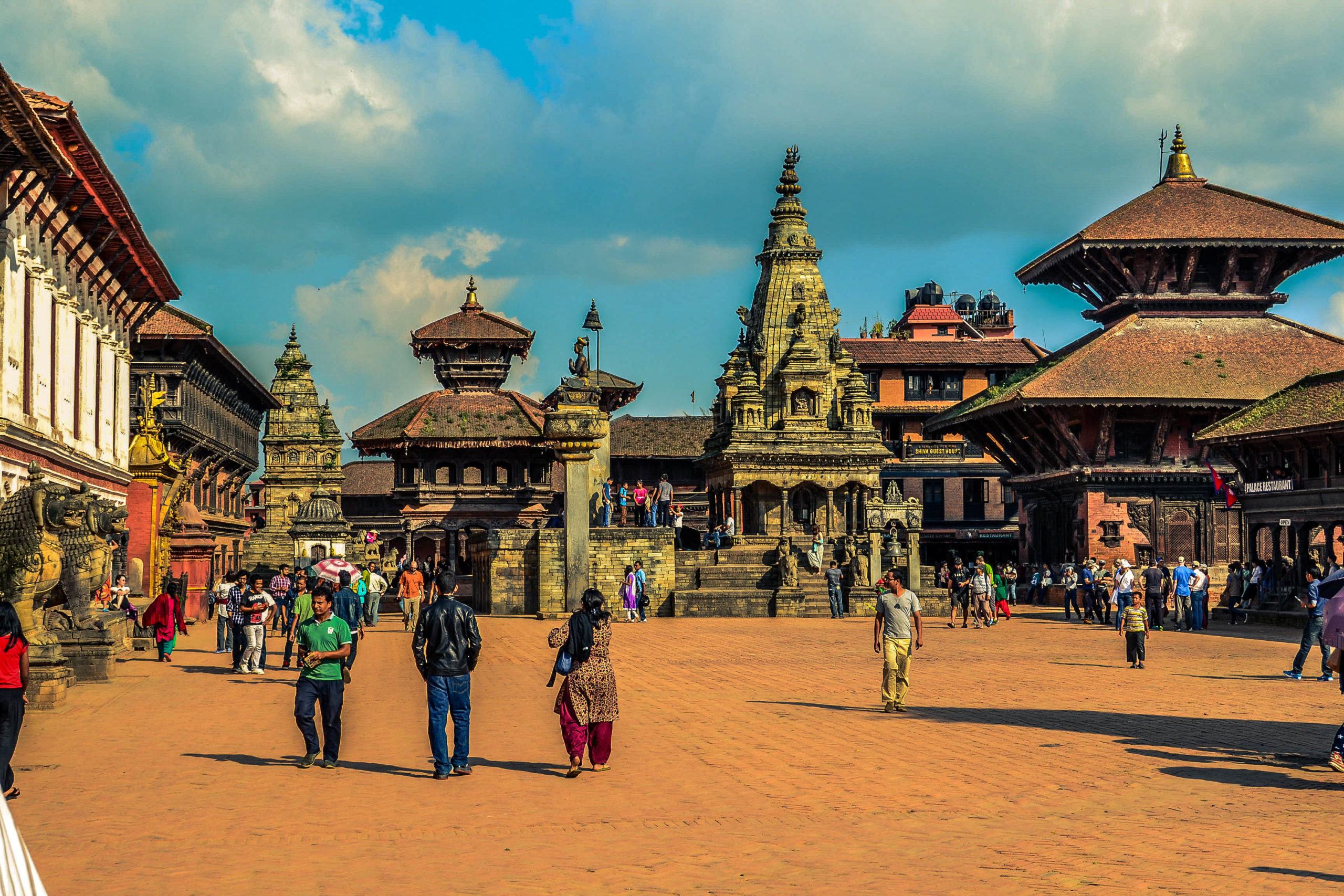
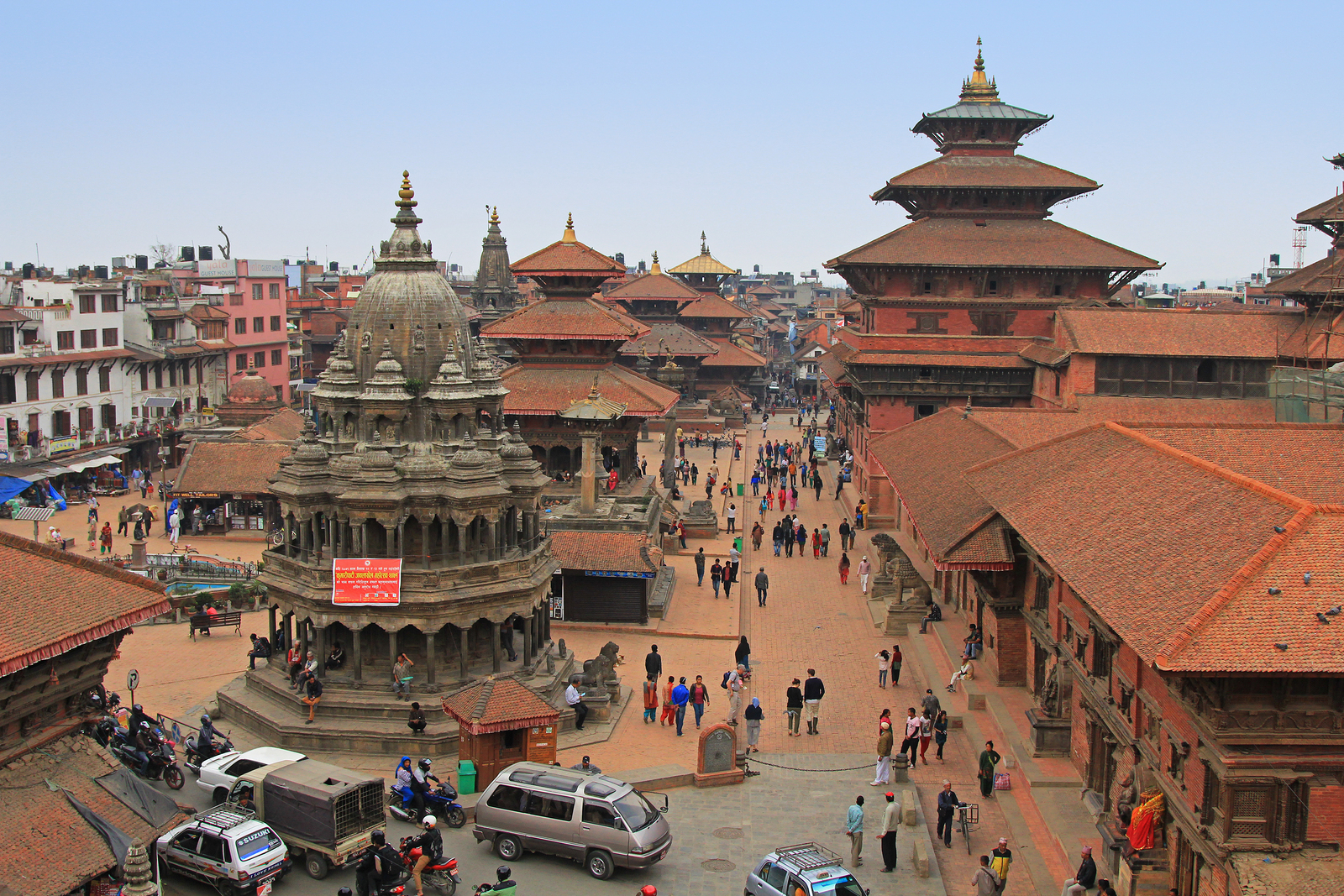
In Nepal, trekking in the Himalayas and the Annapurna Circuit, the world’s most popular mountain trek, is both popular and expensive. Furthermore, the country is well-known for its numerous other tourist destinations, including the Royal Palace of Bhaktapur, the Valley of Lakes, and the Everest region.
Is Nepal A Country Or City?
Nepal is a country in Asia that is located on the southern slopes of the Himalayan Mountains. The country is located between India to the east, south, and west, as well as Tibet’s autonomous region to the north.
The Federal Democratic Republic of Nepal is a country in South-Central Asia. In addition to being Nepal’s capital, Kathmandu is also the country’s largest city. India and China are the two largest countries in Nepal, with a border. Everest, the world’s tallest peak, can be found in the Himalayan Region.
Because of its strong institutions and rule of law, as well as an efficient market and financial system, the country has a stable and prosperous economy. The country’s political and social stability are still important drivers of its development.
There are 2 7.8 million people in Nepal, of whom more than 60% are under the age of 35. Because the country has an aging population, it must prioritize creating an environment in which its citizens can live a long and healthy life. Ensuring that citizens have access to education and healthcare is one way to accomplish this.
Nepal: A Landlocked Country With A Rich History
Nepal has had a monarch or prime minister since the 17th century. Girija Prasad Koirala, a secular prime minister, was elected as a result of a UN-facilitated electoral process in 2008, but he served only until his death in 2013. Sushil Koirala became Prime Minister of Nepal on December 13, 2013.
Nepal, with a population of over 7 million people, shares a border with China and India, two of the world’s most populous countries. This country is strategically located near two neighboring countries, making it a critical component of the region not only due to its size and population, but also because of its strategic location.
A secular federal parliamentary republic in Nepal, the country has seven provinces divided into three types. The country’s total population is 27,500, making it the world’s 24th most populous country. Nepal is a secular federal parliamentary republic governed by seven provinces as part of the country’s new Constitution, which was enacted in 2015. Nepal was admitted to the United Nations in 1955, and friendship treaties were signed with India and China in 1950 and 1960, respectively.
Nepal Area
Nepal is a landlocked country in South Asia. It is bordered by China to the north and India to the south, east, and west. Nepal has a diverse geography, including fertile plains, subalpine forested hills, and eight of the world’s ten tallest mountains, including Mount Everest, the highest point on Earth. Kathmandu is the capital and the largest city. Nepal is a multiethnic country with Nepali as the official language.
Because of its geography, Nepal is a landlocked country located at the border of China and India in South Asia. Because it is located at an average elevation of 3265 meters above sea level, it is one of the world’s highest countries. The distance between New York City and the capital of Nepal is approximately 12,130 kilometers (7,537 miles).
The country’s largest district, the Dolpa district, covers 5.36% of the country’s land area. Nepal is situated in the country’s southern region near the border with India, and this district is located there. In total, the district covers 1,541 square miles (3,946 square kilometers). Mount Dolpa is located in the district and stands 7,625 meters (25,016 feet) above sea level. In the district, there are numerous landscapes, including hills, forests, and plains.
Dolpa has a plethora of cultural and natural wonders to offer. It is known for its Buddhist monasteries and temples. The district contains the world’s largest collection of Hindu holy shrines, including the world’s second largest temple, the Pashupatinath Temple. Manakamana Temple, a Hindu temple dedicated to the goddess Manakamana, is located in the district.
The Gokyo Lakes, the world’s highest collection of fresh water lakes, as well as the Annapurna Circuit, the world’s most popular hiking trail, are also among the other attractions in Dolpa. The Pancheshwar Power Plant, the world’s second largest hydroelectric power plant, is also located in the district.
The district is home to a large number of people, including residents of Kathmandu, Nepal’s capital. The district contains 1,831,182 people, making it one of the most populous in the country. Cattle, sheep, and goats are among the many livestock species that live in the district. Rice, wheat, and maize are among the many crops grown in the district.
Dudpa is a popular tourist destination due to its rich culture and natural beauty. There are more than a dozen Hindu holy shrines in the district, including the Pashupatinath Temple, the world’s second largest temple. There are also Gokyo Lakes, the highest collection of fresh water lakes in the world, and the Annapurna Circuit, which is the most popular hiking trail in the world. Residents of Nepal’s capital, Kathmandu, make up a sizable portion of the local population. The district is also home to a large number of animals such as cows, goats, and sheep.
Nepal Government
Nepal is a federal republic with a parliamentary system of government. The Prime Minister is the head of government and leads the executive branch. The President is the head of state and is elected by the Parliament. The Parliament is the unicameral legislature and is composed of the House of Representatives and the National Assembly. Nepal has a multi-party system.
Nepal is an impoverished country on the Tibetan Tibetan border in the Himalayas. The Chinese border can be found to the east, while the India-Nepal border can be found to the south. The country is bounded on the west by the Mahakali River, and on the north by the Sutlej River. The capital of Nepal, Kathmandu, is also the largest city. In Nepal, there are 77 districts and seven provinces. Following the reconstruction of administrative divisions in the state, Nawalparasi and Rukum Districts were divided into two districts, namely Parasi and Nawalpur, as well as Eastern and Western Rukum Districts.
Nepal Religion
Hinduism, Buddhism, Islam, Kirat, and Christianity are the major religions practiced in Nepal. In 2011, the Hindu religion accounted for 81.3% of Nepalese people, 9% were Buddhist, 4% were Muslim, 3.0% were Kirant/Yumaist, 1.4% were Christian, and 9.1% were other religions.
During the Neolithic period, a Hindu sage named Ne founded Nepal. Hinduism is the dominant religion among Nepal’s large Hindu population. The Nepalese princess Bhrikuti is widely regarded as the cause of Tibet’s division into neighboring Nepal and Tibet in the early 600s. The Madhesh Muslim minority, which accounts for approximately 74% of Nepal’s Muslim population, is the country’s largest group. In the first few years of its existence, Nepal invited Miyan Muslims from northern India to help in the manufacture of military weapons. Tibet’s Tibetan Muslims mostly arrived in Nepal in the 1950s after China took over the country. When Father Juan Cabral, a Portuguese Jesuit missionary, met with Nepal’s King in 1628, the first contact between Nepal and Christianity was recorded.
Capuchin Fathers, who arrived from Rome in 1707, are credited with bringing the last missionaries to Kathmandu. In 1950, the first missionaries to legally visit Nepal in 181 years were permitted to do so. In Nepal, there are only between 1,000 and 5,000 Bah’ people, according to estimates. The Israeli embassy in Kathmandu hosted a Passover celebration for thousands of Israelis who visited the country on a yearly basis in 1986. The religion was founded in Nepal for the first time in its history.
Is Nepal A Hindu Country?
Nepal is the only Hindu-ruled country in the world, with both a constitutional monarchy and multiparty democracy. The country is a mountainous region in the Himalayas that spans China and India and includes Mount Everest (8848m), the world’s highest peak, and the location of Lord Buddha’s birth place.
Is Nepal An Islamic Country?
Unsourced materials may be challenged and removed if necessary. Islam (Nepali:* ) is the third largest religion in Nepal, with over 30 million members. According to the 2011 Nepal census, the country’s 1.164 million Muslims make up 4.4% of the population.
Nepal Language
Devanagari script is the primary language in Nepal, which is an Indo-Aryan language. Nepal, Bhutan, Myanmar, Brunei, and India have a large number of Nepalese speakers, along with many others from other countries around the world.
Almost 45% of Nepal’s population speaks Nepali as their official language. Maithili is the second most widely spoken language in Nepal, followed by Bhojpuri. More than 123 different languages can be found in Nepal, many of which belong to the Indo-Aryan and Sino-Tibetan families. It will be interesting to learn about Tamang culture and meet their people, who are one of the country’s largest native groups. One of Nepal’s many trekking routes is the Tamang Heritage Trail, which circles Tamang villages. Nepali Phrases and Translation
The Many Similarities Between Hindi And Nepali
Both Hindi and Nepali are made up of similarities that are mutually intelligible. Tibetan, another South Asian language, is closely related to Nepali. The Nepali language is written in the Roman script, and it is spoken in Nepal, India, and Bhutan.
Nepalese Private Sector
Nepal’s private sector is a key driver of economic growth and development. It is comprised of a wide range of businesses, from large multinational corporations to small family-owned businesses. The private sector accounts for a significant portion of Nepal’s GDP and employs a large percentage of the country’s workforce. The sector is vital to Nepal’s economy and its continued growth and development.
The Importance Of The Private Sector In Nepal
Nepal’s private sector accounts for 50% of total employment and 25% of total GDP, making it an important part of the Nepalese economy. They represent 233,214 registered companies, accounting for 1,608 public and 2,947 non-profit entities. While the private sector contributes modestly to Nepal’s economy, it will become more important as the Nepalese economy matures. In order to advance the country’s development, the private sector must grow.