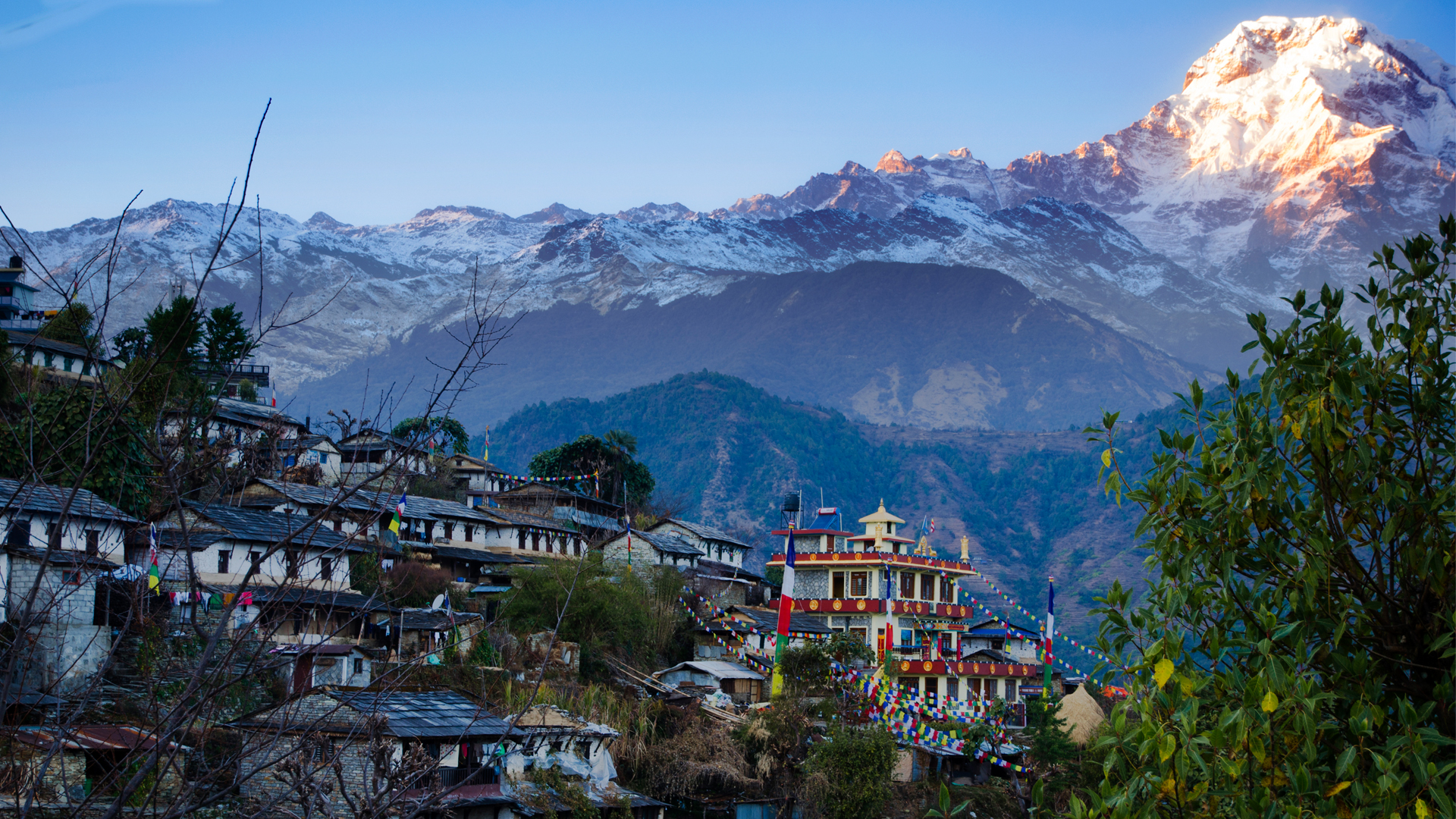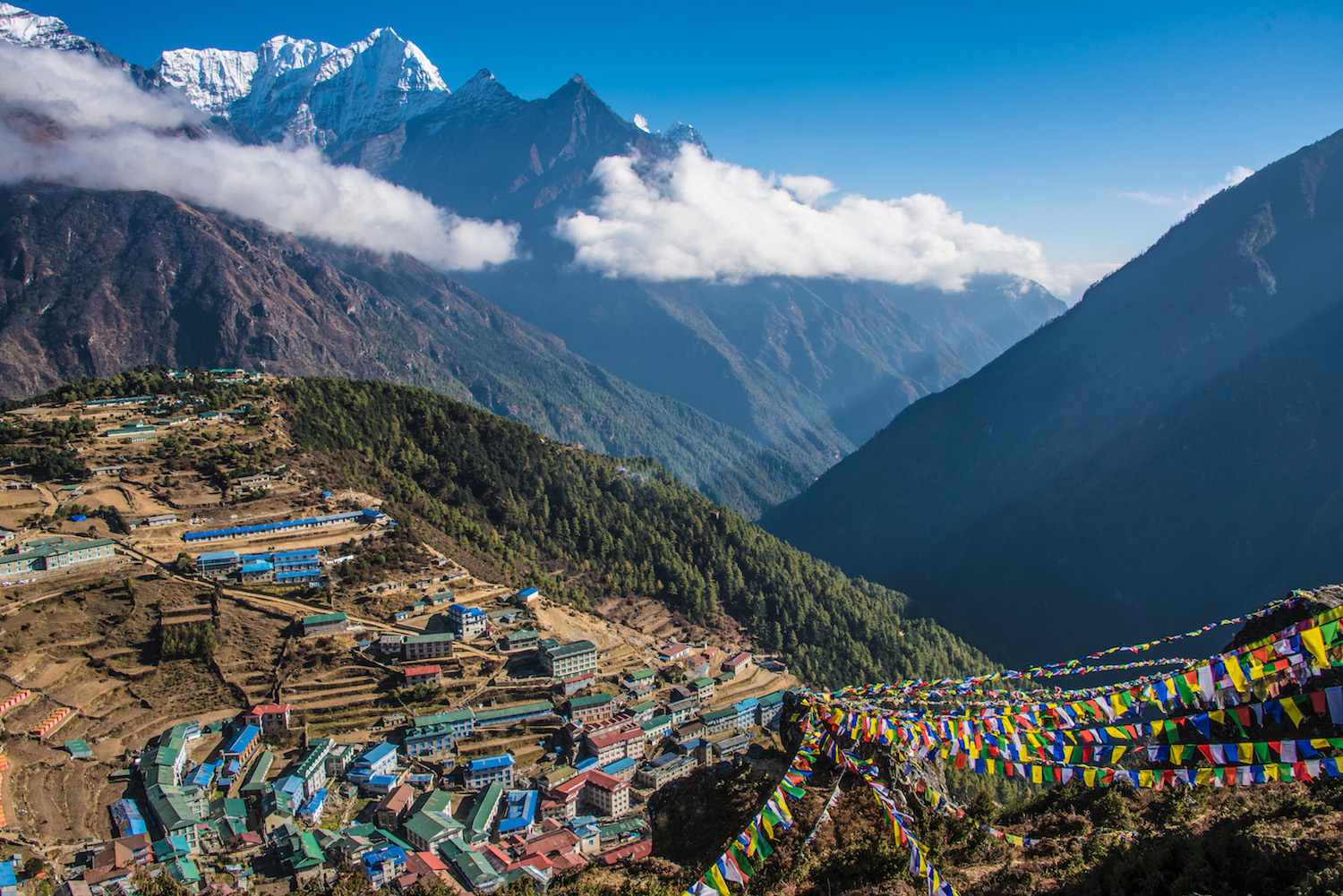
The Himalayas, one of the world’s greatest mountains, are an awe-inspiring sight to behold. They are a source of both spiritual and physical inspiration, and have been a source of intrigue for centuries. But have you ever wondered how to actually say the name of this majestic mountain range? We’re here to answer that question and provide you with some important background on the Himalayas and the many languages spoken in the region. From Nepali to Tibetan, we’ll explore the different ways to pronounce the name of the Himalayas, and why each language has its own unique take on this powerful mountain range.
The Himalayas are named after two Sanskrit words, Hi-ma - snow, and a-la-ya - abode. In Sanskrit, a plural is not required, but when used in conjunction with an apotheosis (for example, the wordabodes of snow), the word should be preserved as it is. The word Himalaya may have originated with the Greek geographer Megasthenes in the fourth century BCE. The English language has been colonised by a number of Indian words, including himalaya. Chinotis, popadoms, swamis, gurus, and jawans are just a few of the many distinguished individuals who live in India. Do you think the Himalayas should be part of the Himalayas? Nonetheless, recent trends appear to favor the word ‘himalaya’ over the word ‘himalaya.’
House of Snow is an old Sanskrit word that refers to the house of snow.
The Himalayas are a range of mountains in North America that includes Mount Everest. The Himalayan Mountains are referred to as the Himalayan Mountains in the singular when used in the English language as a pluralized word.
The Himalayas, which are known as the Himalaya in Sanskrit, have attracted mountaineers from all over the world since ancient times, when pilgrims coined the Sanskrit names Hima (“snow”) and alaya (“abode”), respectively, for the vast glaciated mountains.
Namaste is a Sanskrit word that means “hello” or “good morning” and refers to those who greet one another with hello, good morning, and good to meet one another.
How Do British Pronounce Himalayas?

The pronunciation of the word “Himalayas” in British English is quite different to that of American English. In British English, the pronunciation is usually “hɪˈmæləz”, with the emphasis placed on the first syllable. The “Him” part is pronounced like the word “him”, while the “-alayas” part is pronounced with a short “a” sound, followed by the “lay” part pronounced like the word “lay”. The overall pronunciation is similar to the word “him-all-ay-uhz”.
Himalayas Meaning
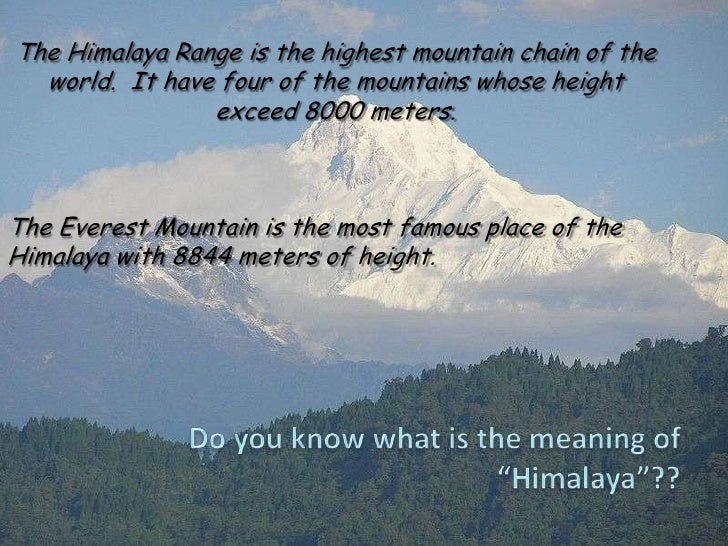
The Himalayas are a vast mountain range located in South Asia, extending from Pakistan to India, Nepal, Bhutan, and China. The range is home to the world’s highest peaks, including Mount Everest, and the world’s largest mountain system. The name Himalaya translates to “abode of snow,” and the region is known for its vast glaciers, snow-capped peaks, and picturesque alpine valleys. The Himalayas are considered to be a sacred place in Hinduism, where devotees make pilgrimages to seek spiritual enlightenment. The mountains also hold tremendous cultural significance, as they have been home to some of the world’s oldest civilizations. The Himalayas are a symbol of strength and endurance, representing the power of nature and the resilience of its people.
Nepal Pronunciation

Nepal is pronounced NEH-pahl. It is the official name of a South Asian country located in the Himalayan Mountains, between India and China. It is bordered by Tibet Autonomous Region of China, and India in the south, east and west respectively. The capital city is Kathmandu. Nepal is a multi-ethnic and multi-lingual country, with over 120 ethnic groups, and over 130 spoken languages. It is known for its beautiful, rugged mountain terrain and its diverse culture.
Word Himalaya
The majestic Himalayas are one of the most awe-inspiring natural wonders in the world. Spanning across five countries, these mountains are a source of great beauty, adventure and culture. Many stories and myths have been told about the great Himalayas, which have captivated people for centuries. These mountains are not only a stunning backdrop for outdoor activities, but they are also a home to many unique species of wildlife. With its rich heritage and stunning landscape, the Himalayas are a must-see destination for anyone looking to explore and appreciate the great outdoors.
The Abode Of Snow: Exploring The Himalayas’ Cultural & Historical Significance
Shiva’s Hindu term Himalayan is derived from two words: Himalayan (meaning snow) and a-la-ya (meaning home). As a result, it is translated as “The Abode of Snow.” The mountain range in South Asia is the subject of a proper noun because it has cultural and historical significance around the world. It is the tallest mountain range in the world and is also referred to as the roof of the world by some. Mount Everest, the world’s highest mountain, is a world icon, as are the world’s tallest peaks, the Eight-thousanders. The Himalayas have been a spiritual and cultural center since ancient times, and they continue to serve as a spiritual and cultural source of inspiration for modern believers.