The California Department of Forestry and Fire Protection, or CAL FIRE, is the state agency responsible for providing fire protection and forestry management services to 36 million acres of California’s privately-owned wildlands. CAL FIRE is the largest state fire department in the United States, with a budget of $1.3 billion and over 8,000 employees. The agency is divided into five regions, each of which is responsible for providing fire protection and forestry management services to a specific area of the state.
President Theodore Roosevelt established the U.S. Forest Service, which manages 193 million acres of public land across the country in 1905. In addition to the state’s Department of Forestry and Fire Protection, also known as Cal Fire, forest management in California is overseen.
The federal government manages roughly half of California’s 100 million acres.
One third of the state’s land area is covered by forest land, with an area of 33 million acres. Forests cover sixty percent of this land, which is owned by the USDA Forest Service and the National Park Service, among others.
Who Manages California Forests?
The USDA Forest Service, USDI Bureau of Land Management, and National Park Service (along with other federal agencies) own and manage an estimated 19 million acres of forestland in California.
The FSC stands for Forest Stewardship Council and is the organization behind it. It is necessary for forest management to meet stringent requirements, including a commitment to good forest management practices, in order to be certified. In accordance with the FSC Standards, this commitment is present. Years of research and experience have resulted in the development of these Standards. Standards are written in a clear, concise, and user-friendly manner so that they reflect the most up-to-date practices in forest management. The Standards must be followed in order for a FSC certification to be granted. They are the primary reference point for judging the quality of forest management practices around the world, and they have established the highest standard for sustainable forest management. The certification requirements of the Forest Stewardship Council are not only important for certified forests, but also for non-certified ones. The Standards can help forest managers keep their practices environmentally responsible while also making them more sustainable. Please visit the website of the Financial Services Compensation Scheme (FSC) for more information.
The California Board Of Forestry Is Overseeing Logging Practices
The California Board of Forestry has the authority to regulate logging and enforce responsible and sustainable practices. A THP is one that the board, which consists primarily of timber industry personnel, approves. The BOF resolves disputes and is made up of primarily timber industry people. What is the law governing private lands in the state of California? Logging on privately owned lands in California is regulated by the California Department of Forestry and Fire Protection (CALFIRE). In 1973, the Forest Practice Act was passed to ensure that logging is done in a way that protects and preserves fish, wildlife, forests, and streams for future generations.
Who Owns Most Of California Forests?
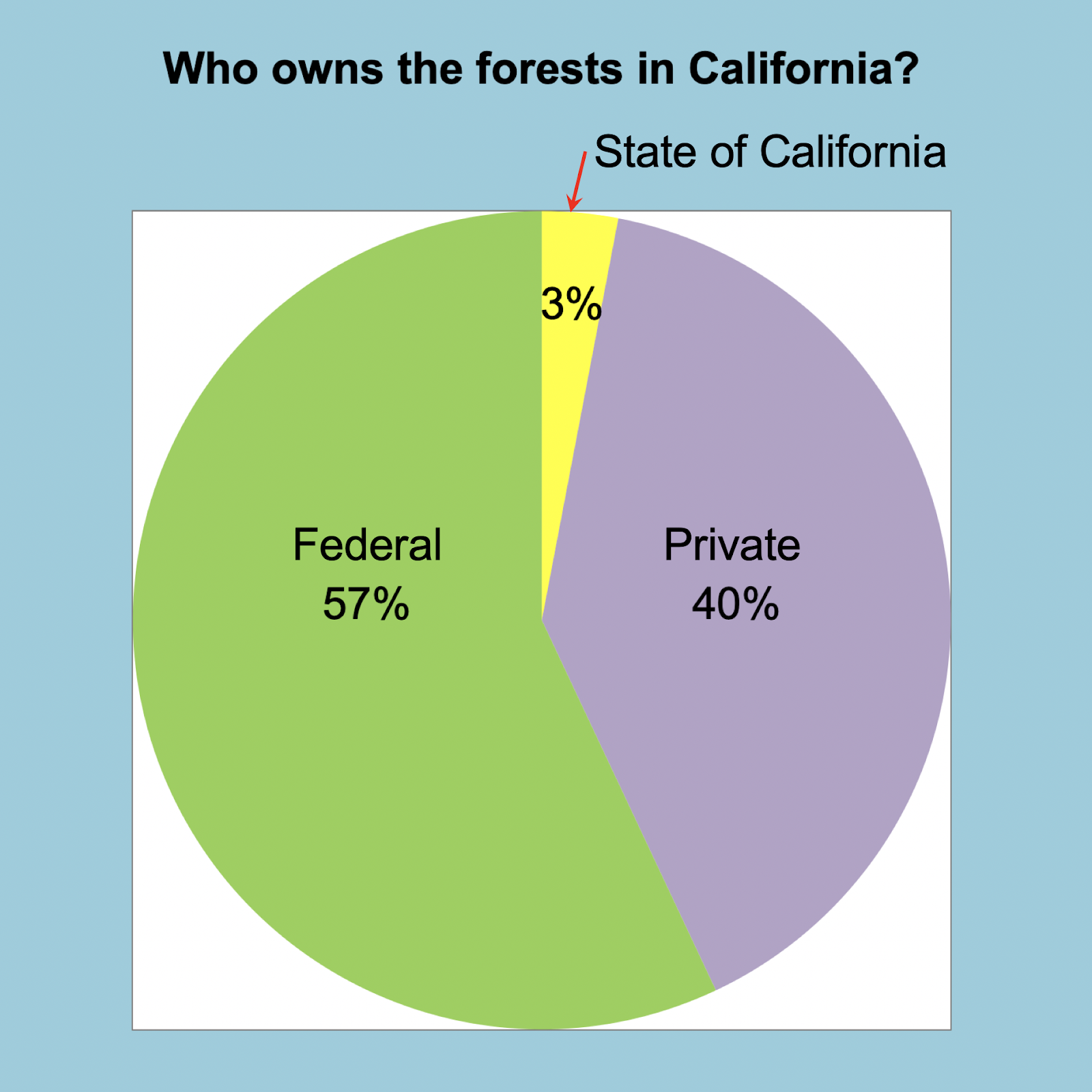
The U.S. Forest Service owns approximately 20 percent of California’s forests, while the remaining 80 percent are owned by private timber companies, families, and Native American tribes.
The advantages of public forest ownership are numerous, including the protection of land and resources, the preservation of timber revenues and other benefits. In addition to providing important environmental services, public forestlands also provide flood control, clean water, and carbon sequestration. The Forest Service has been challenged to manage public forests in a way that is both efficient and appropriate for both the public and the land in recent years. The Forest Service has been asked to provide more fire protection near national forests, as well as manage forests for deer and other wildlife populations, for example. To address these challenges, it is critical to work together as a state and federal government on the management of public forests. Wildlife populations in California are managed by the Department of Fish and Game, and the Forest Service, in collaboration with the Department of Forests and Fire Protection, provides fire protection for communities. Forestland has numerous benefits to the public, and joint state-federal management is critical in ensuring that these benefits are realized. The Forest Service and the Department of Fish and Game can collaborate to provide better fire protection for communities, manage deer and other wildlife populations, and preserve land and resources.
How The Government Plans To Manage America’s Forests
Because the federal government owns nearly 58 percent of California’s 33 million acres of forestlands, joint state-federal management is critical to keeping the state’s forests healthy and dry while also maintaining its ability to withstand wildfire. State and federal agencies have worked together in recent years to develop a forest management plan for the state, which will serve as the foundation for future forest management decisions. Who owns and controls the forest? The United States has over 800 million acres of forests, accounting for 7.5% of the world’s total. There are three types of primary forest ownership in the United States: federal, state, and private ownership. The federal government owns the vast majority of the company, at 58%, followed by state ownership at 33% and private ownership at 7.5%. The plan will be based on a wide range of forest types in California, including coastal, mixed, and coniferous. This administration will also prioritize the protection of critical habitats and the management of forest resources for the benefit of both the environment and the economy.
Who Controls Forest Management?
The U.S. Forest Service is the primary agency responsible for managing the nation’s forests and grasslands. The Forest Service is part of the U.S. Department of Agriculture, which is responsible for overall management of these lands.
Forest officers are permitted to administer oaths as well as acknowledge official matters in connection with their positions. In addition, they are authorized under this Code to give testimony in official investigations conducted under the authority of this Code and the implementing regulations. The Rainforest Alliance is a non-profit organization that builds alliances to protect forests, improve the livelihoods of farmers and forest communities, promote human rights, and help communities deal with climate change. Rainforest Alliance merged with UTZ in 2018 to create a global organization dedicated to forest protection, human rights, and climate change mitigation.
Who Controls Logging In California?
The California Department of Fish and Game enforces logging laws on private land that are regulated by the Department of Fish and Game. The Forest Practice Act was enacted in 1973 in order for logging to take place in a manner that protects and preserves our fish, wildlife, forests, and streams.
The Impact Of The Northwest Forest Plan On California’s Logging Industry
The logging industry in California has been in decline for decades, but the events of 2001 changed everything. President Bill Clinton signed the Northwest Forest Plan into law in 2001, which directed the Forest Service to cut back on logging of old-growth forests. Logging activity on federal forests has plummeted to levels not seen since the 1930s and 1940s as a result of these threatened spotted owl populations. As a result, the logging industry in the state has not yet recovered. Despite the fact that logging has declined in California in recent years, it is still a thriving industry. The largest private forest owner in California is Sierra Pacific Industries in Redding. Nonetheless, the industry continues to have a significant impact on the landscape. In addition, the Northwest Forest Plan has had a significant impact on the state’s forests, resulting in a decline in logging on public lands.
California Department Of Forestry Jobs
The California Department of Forestry and Fire Protection (CAL FIRE) is the state agency responsible for fire protection in California, United States. The agency is also responsible for managing and protecting over 31 million acres of California’s wildland resources. CAL FIRE operates under the umbrella of the California Natural Resources Agency.