According to the U.S. Forest Service, the federal government spends about $1.7 billion a year on forestry programs. The majority of this funding comes from the taxpayer through the annual appropriations process. However, other sources of funding include the sale of timber, grazing fees, and minerals leases. In addition, the forest Service receives funding from state and local governments, as well as private organizations and individuals.
Who Funds The National Forest Foundation?
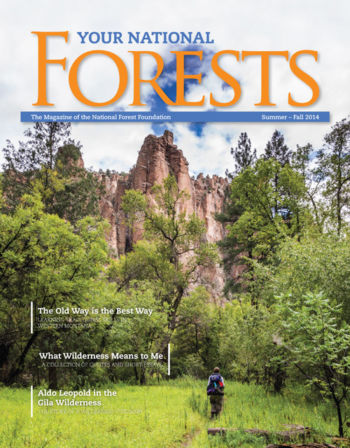
The National Forest Foundation funds itself through the sale of merchandise, donations, and grants. It also funds itself through the sale of firewood, tree seedlings, and trees.
The National Forest Company is a non-profit and charity organization that is part of the public sector and is funded by the Department for Environment, Food, and Rural Affairs (Defra). The National Forest Company is supported by DeFRA to assist in the delivery of the National Forest, which is supported through fundraising. The National Forest Company, which is based in Atlanta, manages, conserves, and recreations the national forest, as well as provides other services. The National Forest Company plays an important role in the National Forest and ensures that the public is able to enjoy it. The National Forest Company has a long history of working with the public to make the National Forest a better place to live.
The National Forest Foundation: The Leading Organization For Forest Conservation
The National Forest Foundation is the nation’s leading organization in inspiring personal and meaningful connections to our nation’s public lands, which are the foundation of America. The National Forest Foundation, a non-profit organization, focuses on forest conservation and responsible recreation in order to meet the needs of the American public.
The National Forest Foundation is supported by funds from Congress and solicits additional funding from the private sector. The NFF is considered a legit organization because it has been verified by the Better Business Bureau.
Who Is Responsible For Managing Federal Forests?

The federal government owns 238 million acres (31%) of U.S. forests, with the vast majority of these acres managed by the U.S. Forest Service (FS), which is part of the National Forest System (NFS) and the Bureau of Land Management (BLM); see
The United States and Canada have 15% of the world’s forests. Canada is ranked third in the world in terms of forest area, and the United States is ranked fourth. This book covers the significance and importance of the forest landscape in these countries. A discussion about how forest management can help businesses manage risk while also increasing the benefits of forests. The United States and Canada are two of the world’s top forest product producers. In order for forest products to be produced, they must be kept in good health and well-managed. As a result of responsible management, the conservation and environmental objectives are maintained.
The region has the most certified forests of any region. Only a small percentage of working forests in the United States and the Commonwealth of California are harvested annually. A significant portion of the global economy is linked to the harvesting of wood from these working forests. Outside of the United States and Canada, there are many countries that do not have strict forest protection laws in place. A forest destruction has the potential to produce as much as 15% of the global greenhouse gas emissions – more than all planes, trains, and automobiles on the planet. Between 2010 and 2030, deforestation is expected to occur in 11 countries, none of which are in North America. According to the definition of ‘deforestation free,’ corporate commitments to nature differ significantly.
The Consumer Goods Forum, which represents hundreds of companies, made a public commitment in 2010 to eliminate deforestation by 2020. Despite the fact that there has been an increase in the population in the United States and Canada as well as an increase in demand for forest products, forests have been well managed. Loggers are trained in best management practices for water quality, biodiversity, and forest practices in order to meet the needs of the forest and the environment. Because of a multi-faceted governance structure for sustainable forest management, strong laws can be used to deter illegal logging, while also providing legal frameworks for the protection of forests. Despite the fact that the United States and Canada have implemented good forest management practices, the American and Canadian forests are still threatened by invasive species, insects, diseases, and fires. By utilizing credible forest certification programs such as the Sustainable Forest Initiative (SFI) and the Forest Stewardship Council (FSC), it is possible to improve the benefits of forest. Forests store the most carbon (after oceans) in the world, and they play an important role in reducing global climate change.
When forests are responsibly managed, they produce fiber to meet the needs of a rapidly growing population while also providing ecosystem services and providing environmental benefits. Forests not only provide environmental services, but they also provide a variety of other community-related services. Forests are important in a number of regions around the world for recreation and tourism. Forests provide education to both students and professionals, in addition to providing education about local landscapes and natural resource management. The American Tree Farm System (ATFS) has awarded over $1 million in grants and other funds to their volunteer foresters in order to visit more than 8,900 different woodland properties across the country. The SFI also engages with communities in addition to raising environmental awareness through education, research, and community engagement. The SFI Implementation Committees have assisted loggers in a number of critical areas, such as educating landowners about water quality and training loggers.
Tom Giambatista has been in charge of California’s Forest Forces since May 2017. Giambatista previously held the position of Deputy Chief of Forest and Range for the Pacific Southwest Region of the US Forest Service. Prior to being appointed to this position, he worked as the Angeles National Forest’s Field Manager, the Stanislaus National Forest’s Regional Forester, and the Sequoia National Forest’s Acting Regional Forester. The complexity of forest management in California, according to Giambatista, necessitates high levels of coordination and cooperation between state, federal, and local agencies. The state’s large forested areas serve a variety of different interests and necessitate coordination. One of Giambatista’s primary goals is to improve forest management in California in order to prevent wildfires from destroying the state. The state’s firefighting capabilities, he has stated, must be improved in order to accomplish this. Giambatista is also working to improve coordination between federal, state, and local agencies in order to better manage and protect the state’s forests. In addition to improving wildfire resilience, he is focused on expanding the state’s natural resources. These efforts not only benefit the state’s forests, but also benefit the state’s economy. Because the federal government owns nearly 58 percent of California’s forestlands while the state owns 3 percent, it is critical that joint state-federal management is carried out to ensure that the state’s forests are healthy and that wildfires do not spread. Tom Giambatista, the state’s Head of Forest Forces, is working to improve coordination between federal, state, and local agencies in order to better manage and protect California’s forests.
The Forest Service And State Of California: Together We Stand
Over the years, the federal government’s ownership of forestlands in California has been a source of contention between state and federal governments. The joint state-federal management of California’s forests is critical to their health and resilience. The Forest Service is in charge of managing public forests and grasslands, with technical assistance and financial support from both state and private organizations.
Are National Forests Considered To Be Government Owned?
There is some debate over whether or not national forests are considered to be government owned. Some people believe that they are owned by the people, while others believe that the government has sole ownership. However, the majority of people seem to believe that the government does have ownership over national forests.
There is a state forest and a national forest in West Virginia. In contrast to national forests, which are managed at the federal level, state forests are owned by the state and managed at the local level. They have many similarities and differences, but they are not the same. The Division of Forestry oversees the two facilities, while the Department of Natural Resources Parks and Recreation oversees the other. Natural resources such as minerals and timber can be exploited, resource extraction can take place, and recreation can take place on state and national forests. As a general rule, the most common recreational activity among the general public is outdoor activities, so spend some time out in nature. In West Virginia, there are several forests to choose from.
In the United States, nonfederal forests cover over 527 million acres, accounting for 43% of total land area. The national forests are divided into two types: privately owned forests and publicly owned forests, each with a total area of approximately 439 million acres. The Government of India included forests in its Concurrent List of Important Beasts and Wonders as a result of a constitutional amendment that gave both the state and central governments the authority to pass laws on their own. The central government establishes the structure of state forest policies in order to serve as guidelines for state governments.
Are National Forests Federal Land?
The distinction between a state forest and a national forest is that the state owns and manages the state forests, whereas the federal government owns and manages the national forests.
The Different Types Of National Parks
The federal government recognizes national parks as places of preservation, recreation, and education. These parks, which are subject to federal regulations, are managed by the National Park Service. The National Park Service manages several National Forests, including Mount Rainier National Park, which is managed by the Forest Service. Within national monuments, wildlife refuges, and national preserves, the Bureau of Land Management manages land. The Bureau of Indian Affairs, which manages land within Indian reservations as well as federal lands, oversees the administration of reservations and federal lands. Finally, the Defense Department is in charge of managing military installations.
What Percentage Of U.s. Forests Are Privately Owned?
Did you know you were the first to know? More than ten million private forest owners own or manage nearly half of all U.S. forests. The average parcel size is less than 25 acres, and the vast majority of this land is owned by family and individuals. Many of these owners have a variety of reasons for owning their forests, which they collectively call their forests.
Public Forest Land In The United States
The US owns public forest land. The Forest Service manages approximately 220 million acres, approximately a third of which is in national forests. The National Park Service owns 16 million acres of land, including all of the country’s federally owned lands. Approximately 2 million acres of forest service land are privately owned.
Is The U.s. Forest Service Part Of The Government?
The United States Department of Agriculture manages 193 million acres of land, which is roughly the size of Texas.
What Grants Are Available For Forestry
There are many grants available for forestry. The U.S. Forest Service offers a variety of grants, including the National Forest Foundation Grant, which provides funding for projects that improve the health and vitality of national forests and grasslands. The National Association of State Foresters also offers grants for forestry projects, such as the State and Private Forestry Grant, which provides funding for state and private forestry programs that protect and improve the nation’s forests.
Following the destruction of ash, up to $350,000 is available for tree planting in disadvantaged communities*. The Request for Applications (RFA) for this grant is expected to be released on December 1, 2022. Organizations can apply if they are municipalities, Indian nations or tribes, or non-profit organizations that are not-for-profit (NFP) corporations. The New York State Environmental Protection Fund manages and allocates tree grants, and the Department of Environmental Conservation manages and allocates them. These projects are classified into five categories: tree inventories, management plans, tree planting, maintenance, and education. For some categories, a 25% match is required. You can find the complete eligibility requirements, project descriptions, timeframe, and scoring information by clicking on the Request for Applications (RFA) link.
The state of Alaska must provide funds for tree projects on municipal public property (such as streets and parks). Applicants for this round of grants must be academic institutions and foundations that support academic campus maintenance. Individuals and unincorporated groups are not required to apply, but eligible not-for-profit organizations, such as fiscal sponsors, may do so on their behalf. Applications can be submitted through Grants Gateway (visit theDEC website to find out more). All paper applications are not accepted. It is critical for the applicant to sign a State of New York Master Contract for Grants within 60-90 days of receiving notification of the award. Pre-qualification materials for NFPs will not be available until grants are awarded by UCF.