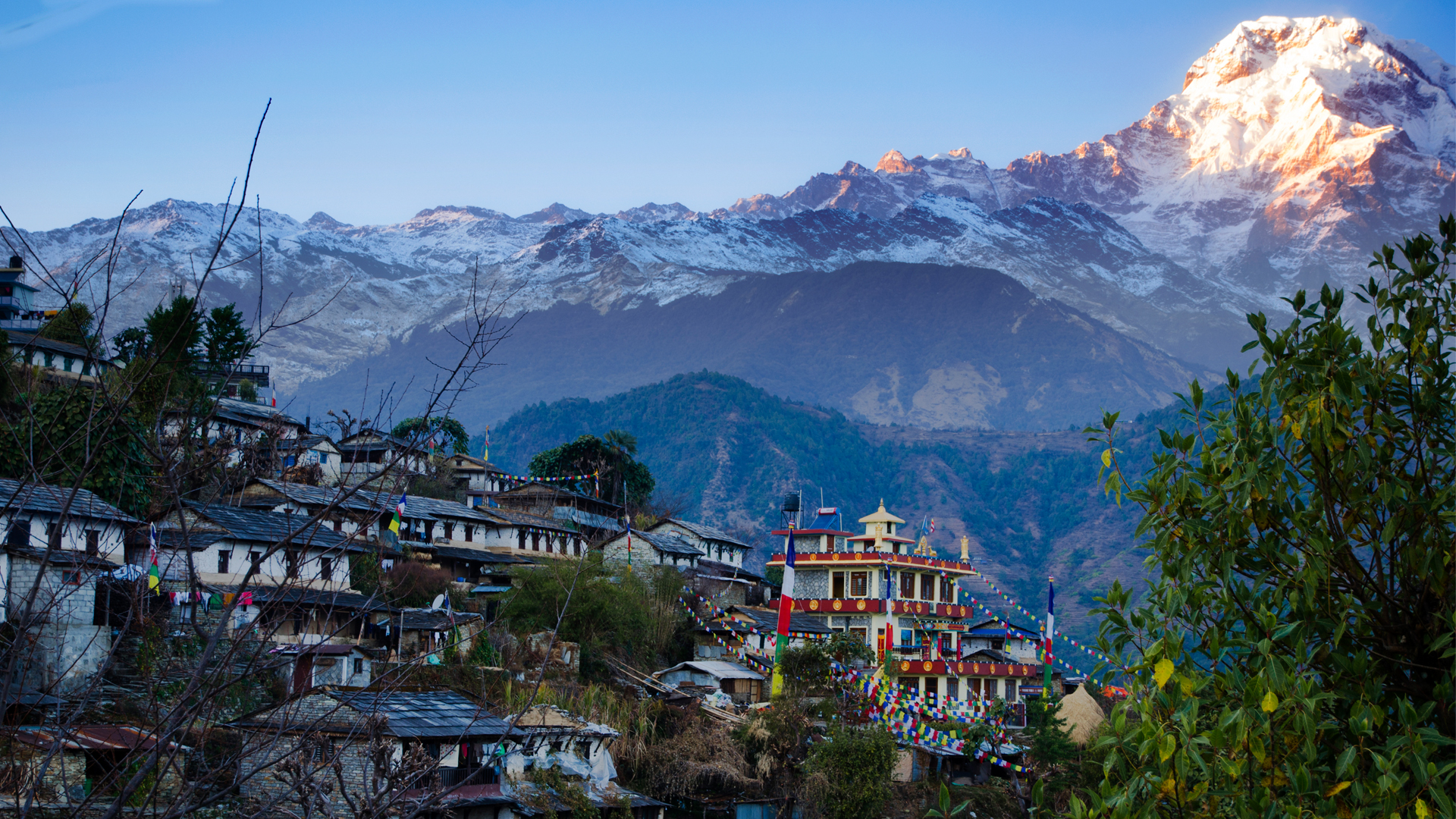
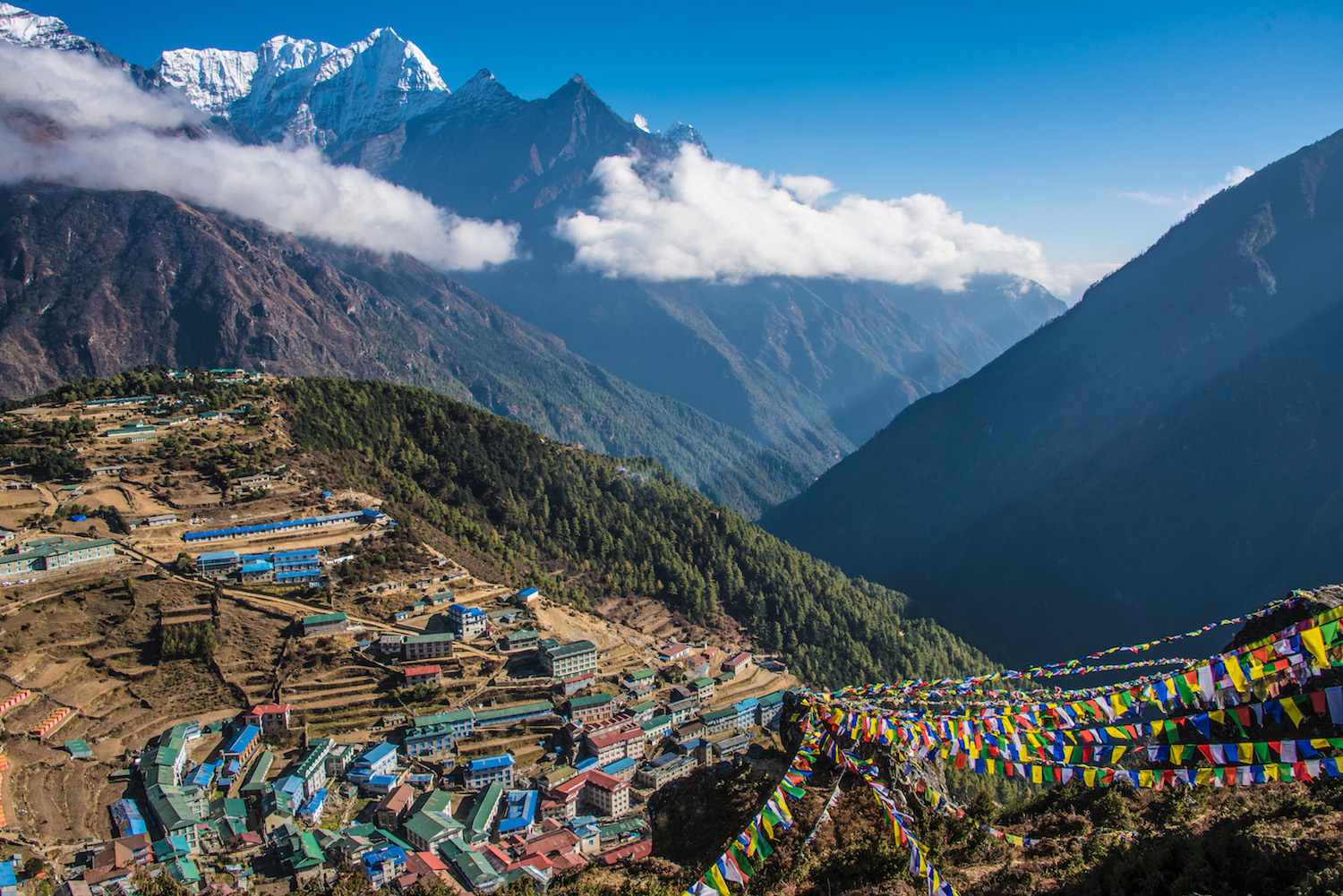
When you think of Mount Everest, imagine standing on the roof of the world, gazing at the entire world from above. Consider a young woman who not only dreamed of it, but also lived it. What would you do if you climbed Mt. Everest, and what would you do if you did not know that you were climbing Mount Everest?
Poorna’s Mount Everest climb serves as a powerful beacon of determination, courage, and resilience, in a world full of inspiring stories about human achievement. A young mountaineer from Jamaica who went above and beyond the call of duty to conquer the world’s tallest mountain etched her name in history by doing so.
When we embark on our exploration of Poorna’s incredible achievement, we are certain to be drawn in by the challenges, victories, and life lessons she encountered along her journey to the top. This is an opportunity to follow in her footsteps, breathe in the Himalayan air, and experience the indomitable spirit that powered her to success.
Early Life and Aspirations
Exploring Poorna’s early life and aspirations reveals the roots of a journey that would eventually lead her to the summit of Mount Everest. Her remarkable story begins in a humble setting, amidst the lush green landscapes of a small village, where the foundations of her mountaineering dreams were laid.
Poorna’s upbringing was marked by simplicity and the enduring values of her community. Growing up in a close-knit family, she imbibed the importance of perseverance and hard work from an early age. It was here, against the backdrop of rural life, that her fascination with the grandeur of mountains first took hold. The vast, towering peaks in the distance became more than just part of the landscape; they sparked an insatiable curiosity within her.
As a child, Poorna would often find herself gazing at those distant peaks, wondering what it would be like to stand atop them, touching the skies. Her fascination with mountains and climbing grew like a fire in her heart, a passion that burned brighter with each passing day. The simplicity of her early years contrasted sharply with the complex and challenging world of mountaineering she would later step into. It was this contrast, perhaps, that fueled her ambition and strengthened her resolve.
This early connection with the mountains also ignited a sense of adventure within her. The allure of the unknown, the call of uncharted territories, and the promise of incredible vistas – these were the things that lured her into the world of mountaineering. But her journey was far from linear, and she would soon learn that climbing the mountains of her dreams would demand more than just aspiration. It would require unwavering dedication, rigorous training, and an unbreakable spirit.
The transformation from a young girl in a village to a determined mountaineer with her sights set on the world’s highest peaks is a testament to the power of dreams and the resilience of the human spirit. Poorna’s early years, marked by simplicity and rooted in a close-knit community, provided her with the values and strength that would serve as the foundation for her extraordinary journey. As we delve deeper into the chapters of her life, we uncover the pivotal moments and influences that shaped her into the mountaineer she would become. It’s a journey that transcends the ordinary and exemplifies the extraordinary.
Poorna’s Path to Mount Everest
Poorna’s path to mountaineering is a remarkable journey that reflects the convergence of ambition, inspiration, and unwavering dedication. It’s a story that not only led her to the towering heights of Mount Everest but also left an indelible mark on the world of mountaineering.
The Birth of an Aspiration: Poorna’s journey into the world of mountaineering began as a flicker of curiosity that gradually evolved into an unquenchable flame. Growing up in a small village, surrounded by the lush greenery of the countryside, she found herself drawn to the towering peaks in the distance. The sight of those majestic mountains ignited a spark within her. They were more than just geographical features; they became symbols of challenge and opportunity. Poorna’s early fascination with these peaks laid the foundation for her path to mountaineering.
The First Steps: Her journey formally commenced with her enrollment in the Andhra Pradesh Social Welfare Residential Educational Institutions Society (APSWREIS). It was during her time at the school that she got her first taste of rock climbing. The sport, which demands physical strength, mental resilience, and unwavering focus, resonated deeply with Poorna. She quickly embraced it, excelling in the sport and earning recognition for her talent.
Mentors and Inspirations: Along the way, Poorna encountered several mentors and sources of inspiration that guided her in her pursuit of mountaineering. One of the pivotal figures in her journey was her mentor, Shekhar Babu, an accomplished mountaineer who recognized her potential and encouraged her to pursue her dreams. Under his guidance, she underwent rigorous training, honing her skills and preparing for the challenges that lay ahead.
Moreover, Poorna’s journey was not just about personal achievement; it was about breaking barriers and challenging stereotypes. As a young girl from a humble background, she defied societal expectations and charted a path into a male-dominated field. Her determination and courage were fueled by the desire to prove that gender should never be a limitation when it comes to pursuing one’s dreams.
Reaching for the Summit: Poorna’s journey to Mount Everest was not without its share of obstacles and hardships. The path to the world’s highest peak is rife with challenges, both physical and mental. Yet, it was her unyielding spirit, cultivated through her early fascination with mountains and nurtured by her mentors and inspirations, that led her to overcome these challenges. The journey was not merely about conquering the mountain but conquering herself.
Training and Preparation

The journey to conquer Mount Everest is not for the faint of heart; it demands rigorous physical and mental preparation of the highest order. The dream of reaching the world’s tallest peak becomes a reality only through meticulous training and unwavering commitment. Poorna’s preparation for her Everest expedition was a testament to the dedication and resilience required to take on this formidable challenge.
Physical and Mental Preparation: To ascend Mount Everest, one must be in peak physical condition. The thin air, extreme cold, and harsh terrain necessitate a body that can endure and thrive under these conditions. Poorna’s preparation began with a focus on her physical fitness. She engaged in a rigorous workout regimen that included strength training, cardiovascular exercises, and altitude training. These activities not only built her physical endurance but also prepared her for the low oxygen levels she would encounter at higher altitudes.
Mental fortitude is equally vital when attempting to summit Everest. The psychological challenges of isolation, extreme weather, and the constant risk to life demand a strong and resilient mindset. Poorna underwent mental training to enhance her capacity for decision-making, stress management, and coping with the psychological strains of high-altitude climbing. Visualization exercises and meditation were crucial elements of her mental preparation, enabling her to stay focused and composed during the toughest moments of her expedition.
Training Regimen and Challenges Faced: Training for an Everest expedition involves facing a myriad of challenges. The grueling training regimen tests the physical limits of the climbers and prepares them for the extreme conditions on the mountain. Poorna’s training involved a combination of endurance exercises, strength building, and cardiovascular workouts. She hiked in the rugged terrains of the Western Ghats, swam to enhance her lung capacity, and even incorporated yoga to improve flexibility.
One of the major challenges in her training was adapting to high altitudes. Climbers need to acclimatize to the decreased oxygen levels they will encounter at higher elevations. Poorna spent extended periods at high altitudes to acclimatize her body. This process allows the body to produce more red blood cells and adapt to the lower oxygen levels, critical for the final push to the summit.
Furthermore, the Everest training regimen involved mock climbs on other peaks to simulate the conditions and challenges climbers would face. These dress rehearsals equipped Poorna with the skills and confidence necessary for the actual ascent. The training was a relentless process, physically and mentally grueling, but it was imperative for success on Everest.
The Everest Expedition
The Everest expedition, an awe-inspiring adventure that captures the imagination of thrill-seekers and mountaineers worldwide, is a monumental undertaking that pushes the limits of human endurance. Poorna’s journey to conquer Mount Everest was no exception, and the challenges and risks she faced were both formidable and unrelenting.
An Overview of the Everest Expedition: Poorna’s Everest expedition was a meticulously planned venture that required the coordination of logistics, an experienced team, and the tenacity to withstand the unpredictable forces of nature. The expedition typically involves multiple phases:
Preparation Phase: This phase entails detailed planning, which includes securing permits, assembling a team, and procuring necessary gear and supplies. For Poorna, this phase involved meticulous preparation, including physical conditioning and mental fortitude building.
Base Camp: The journey begins at Everest Base Camp, a temporary settlement at an elevation of approximately 17,600 feet. Here, the team acclimatizes to the altitude and fine-tunes their climbing skills.
Acclimatization: Climbers make a series of acclimatization climbs to higher camps on the mountain to adapt to the thinning air. These climbs help the body produce more red blood cells, enhancing oxygen transport.
Summit Push: The summit attempt is the most critical phase, where climbers ascend to the peak. Timing is crucial due to the unpredictable weather conditions. This phase demands utmost physical and mental resilience.
Challenges and Risks: The Everest expedition presents an array of challenges and risks that demand a formidable level of preparation and skill. Some of the key challenges and risks include:
Altitude and Oxygen Levels: As climbers ascend, the air becomes thinner, and the oxygen levels drop significantly. This can lead to altitude sickness, which includes symptoms like headaches, nausea, and dizziness. In severe cases, it can progress to life-threatening conditions like High-Altitude Pulmonary Edema (HAPE) and High-Altitude Cerebral Edema (HACE).
Extreme Weather: The weather on Everest is highly unpredictable and can change rapidly. Sudden storms, avalanches, and blizzards are common. Climbers must be prepared to endure extreme cold and potentially life-threatening weather conditions.
Avalanches and Icefall: The Khumbu Icefall, a treacherous section of the route, poses a substantial risk due to the constant movement of the glacier, leading to the formation of deep crevasses and unstable ice blocks. Avalanches in this area are a constant threat.
Physical and Mental Exhaustion: Climbing Everest is physically and mentally exhausting. The relentless physical strain, coupled with the psychological challenges of isolation and the constant risk to life, can lead to mental fatigue and exhaustion.
Logistics and Oxygen Supply: Managing logistics at high altitudes is a complex task. Oxygen supply, communication systems, and emergency response planning are critical. Adequate oxygen levels are vital for climbers during their ascent.
Environmental Impact: The increasing number of expeditions to Everest has raised concerns about the environmental impact on the region. Waste disposal, especially in the form of discarded oxygen cylinders, is a pressing issue.
Facing the Elements
Facing the elements on Mount Everest is a formidable challenge that puts human strength and resilience to the ultimate test. The unforgiving terrain, extreme weather, and perilous conditions that characterize the mountain present an unparalleled trial for mountaineers. Poorna’s ascent of Mount Everest is a remarkable tale of endurance, courage, and an unbreakable will.
Harsh Conditions and Extreme Weather: Mount Everest, standing at a staggering 29,032 feet, features conditions that can only be described as otherworldly. The following are the key factors that make it a formidable environment:
Subzero Temperatures: As climbers ascend the mountain, they face plummeting temperatures, particularly in the “Death Zone” above 26,247 feet. In this frigid realm, temperatures can drop as low as -40 degrees Fahrenheit, making frostbite and hypothermia constant threats.
High-Altitude Challenges: The low levels of oxygen in the upper reaches of the mountain present significant difficulties. At the summit, the air pressure is only a third of that at sea level, meaning climbers must rely on supplementary oxygen to survive.
Ferocious Winds: Everest is infamous for its unpredictable and violent winds, which can reach hurricane-level speeds, causing climbers to struggle to maintain their balance and progress.
Avalanches and Crevasses: The Khumbu Icefall, a treacherous section of the route, is constantly shifting, resulting in deep crevasses and the potential for avalanches. Climbers must navigate this area with caution.
Determination and Resilience: Amidst these formidable challenges, Poorna’s journey showcases her unparalleled determination and resilience. Her ascent of Mount Everest was not just a physical feat; it was a testament to the strength of the human spirit. She faced the following adversities with unyielding resolve:
Physical Toll: Climbing in such demanding conditions demands extraordinary physical endurance. The oxygen levels at high altitudes are dangerously low, putting a strain on the body’s organs. Despite these challenges, Poorna’s determination never wavered.
Mental Fortitude: The psychological challenges of isolation, constant risk, and extreme weather can weigh heavily on climbers. Poorna’s mental resilience allowed her to stay focused and composed during the most challenging moments.
Perseverance: Throughout her expedition, Poorna encountered numerous obstacles, from treacherous terrain to unpredictable weather. Yet, she persisted, refusing to yield to the mountain’s formidable power.
Inspiration: Poorna’s journey is a source of inspiration for mountaineers and dreamers alike. Her achievement serves as a reminder that with unwavering determination, even the most daunting of goals can be attained.
The Final Ascent
The final ascent to the summit of Mount Everest is an epic journey that tests the limits of human endurance. Poorna’s remarkable climb to the apex of the world’s highest peak was a culmination of unyielding determination, unwavering resolve, and sheer grit. The critical stages of her final ascent are a testament to her extraordinary spirit and the indomitable will that carried her to the top.
The Critical Stages of the Final Ascent: The final ascent to the summit of Everest is a daunting and treacherous undertaking. It consists of a series of critical stages, each more challenging than the last:
Camp IV to the South Col (26,247 feet): The climb to the South Col involves navigating steep and icy slopes. This phase is particularly demanding due to the thinning air, which necessitates the use of supplementary oxygen.
South Col to the Balcony (27,500 feet): Climbers must traverse the perilous Lhotse Face, a steep icy wall, to reach the Balcony. This section is notorious for its avalanches and extreme cold.
The Hillary Step (28,839 feet): Named after Sir Edmund Hillary, the first man to reach the summit, this is a nearly vertical rock face that requires technical rock climbing skills. Climbers must negotiate this challenging obstacle while enduring the extreme altitude.
The Summit Push (29,032 feet): The final leg of the ascent is an arduous push to the summit. Climbers often undertake this phase during the night to take advantage of colder temperatures and less wind. The low levels of oxygen in the “Death Zone” intensify the physical and mental strain.
The Physical and Emotional Toll on Poorna: The final ascent to the summit of Everest exacts a staggering physical and emotional toll on climbers. It pushes the human body to its limits and often demands sacrifices. Poorna’s journey was no exception, and the toll it took on her was immense:
Extreme Physical Strain: The lack of oxygen in the “Death Zone” can lead to severe altitude sickness, resulting in debilitating symptoms such as dizziness, nausea, and extreme fatigue. Climbers must summon every ounce of strength to keep moving forward.
Mental Resilience: The psychological challenges of the final ascent are equally grueling. Isolation, extreme weather, and the constant risk to life require climbers to stay mentally resilient. Poorna’s determination and unwavering focus were critical in keeping her moving upward.
Sacrifices: Climbers often must make difficult decisions, including turning back when conditions become too perilous. The final ascent requires a level of commitment that forces climbers to confront their deepest fears and doubts.
Emotional Turmoil: The emotional journey to the summit is fraught with highs and lows. Achieving the dream of reaching the summit is accompanied by a surge of elation, but it’s also coupled with the realization of the challenges faced and sacrifices made. Poorna’s emotional journey was marked by a rollercoaster of feelings.
Reaching the Summit
Reaching the summit of Mount Everest is a moment of unparalleled triumph, a culmination of unwavering dedication, physical endurance, and indomitable spirit. For Poorna, this pinnacle marked the realization of a dream that had been etched in the recesses of her heart, a dream that stood as a testament to human resilience and the audacity to defy the impossible.
Celebrating the Moment of Triumph: The moment when Poorna successfully reached the summit of Mount Everest was nothing short of extraordinary. This monumental achievement was the result of a relentless journey through arduous terrains, treacherous conditions, and physical and mental strains that tested the very core of her being. As she stood at the summit, the world lay beneath her, and the sky above kissed the earth, and in that moment, she became a part of a select group who had conquered the world’s highest peak.
Expressing the Emotions and Significance: The emotions that engulfed Poorna as she stood at the summit were a swirling blend of elation, awe, and humility. The significance of this achievement is monumental, extending far beyond the boundaries of personal success. It is a testament to the undying human spirit and the relentless pursuit of dreams, no matter how daunting they may seem.
Elation: The feeling of reaching the summit is a crescendo of elation that surges through every fiber of one’s being. It’s a moment of unparalleled joy, where the weight of the world’s challenges is momentarily lifted, and the sky seems to bow down in celebration.
Awe: Standing at the summit of Mount Everest, the highest point on Earth, one is inevitably overwhelmed by a sense of awe. It’s a moment when nature’s grandeur and the enormity of the world become palpable. The world stretches out in a breathtaking panorama, and one is reminded of their place in the universe.
Humility: The summit of Everest is a place where the vastness of the world and the challenges faced along the way are juxtaposed with the sheer humbling power of nature. It’s a moment when ego dissipates, and the climber is left with an abiding sense of humility.
Inspiration: Poorna’s achievement is not just a personal victory; it’s an inspiration to countless individuals around the world. It is a testament to the power of relentless determination and the courage to reach for the stars.
The Descent and Return
The descent from Mount Everest is a perilous journey fraught with dangers that are as daunting as the ascent itself. Poorna, having achieved her dream of reaching the summit, faced a new set of challenges as she made her way down from the world’s highest peak. The descent is a stark reminder that the mountain’s perils are not confined to the climb to the top, and the safety of the return journey is of paramount importance.
The Dangers of the Descent: The descent from Mount Everest is replete with dangers that mountaineers must navigate with precision and caution:
Exhaustion and Fatigue: Climbers who have expended immense energy during the ascent often find themselves physically depleted. Fatigue can lead to lapses in judgment and coordination, increasing the risk of accidents.
Changing Weather: Weather conditions on Everest can change rapidly, and unexpected storms are a constant threat. Sudden snowstorms or avalanches can engulf climbers on their way down, hampering visibility and making the descent treacherous.
Low Oxygen Levels: As climbers descend from the summit, they re-enter the “Death Zone,” an altitude where oxygen levels are dangerously low. This can lead to altitude sickness, confusion, and disorientation, further increasing the risks.
Technical Challenges: The descent from Everest involves negotiating technical challenges, including steep and icy slopes, crevasses, and rockfalls. Climbers must navigate these obstacles while fatigued and under the strain of low oxygen.
Risk of Falls: The risk of falls is a constant concern, particularly on steep and exposed sections of the mountain. A single misstep can have catastrophic consequences.
Poorna’s Safe Return and the Relief It Brought: Poorna’s safe return from the summit of Mount Everest was a moment of immense relief and celebration. It marked the successful completion of her journey and brought a sense of closure to her remarkable achievement. Her return was not just a personal victory but a testament to her skill, preparedness, and the collective effort of her team.
Collective Effort: Poorna’s safe return was the result of the meticulous planning and teamwork that had been a hallmark of her expedition. Her team provided crucial support and ensured that safety measures were followed rigorously.
Relief for Loved Ones: The safe return of a climber from Mount Everest is a moment of immense relief for their loved ones, who have been living with the constant worry and anxiety that the mountain can instill.
Acknowledgment of Challenges: The return journey is a time for reflection on the enormity of the challenges faced during the ascent. It serves as a reminder of the mountain’s unpredictable nature and the importance of preparedness.
Resilience and Accomplishment: Poorna’s safe return is a testament to her resilience and determination. It is a reminder of the extraordinary heights that the human spirit can reach when fueled by unwavering resolve.
In conclusion, the descent from Mount Everest is a journey that is fraught with dangers and challenges that mountaineers must confront with caution and determination. Poorna’s safe return marked the successful completion of her remarkable journey and brought a sense of closure to her achievement. It is a testament to the significance of preparation, teamwork, and the unwavering human spirit in overcoming the perils of the mountain. The descent is a reminder that the risks and dangers of Everest persist until one is safely back at base camp, and it is only then that the true relief and celebration of the journey can begin.
The Impact and Inspiration

Poorna’s remarkable achievement in conquering Mount Everest resonates far beyond the towering peaks of the Himalayas. Her journey carries a profound impact, particularly for women in the world of mountaineering, and serves as a beacon of empowerment and determination that illuminates the path for countless others to follow.
Reflecting on the Impact: Poorna’s achievement at a young age made her the youngest woman in the world to reach the summit of Mount Everest, and this milestone has a far-reaching impact:
Breaking Barriers: Poorna’s accomplishment shatters stereotypes and barriers that have traditionally restricted women’s involvement in extreme sports and mountaineering. Her success boldly proclaims that the mountains are not the exclusive domain of men.
Inspiring Aspirations: Poorna’s journey is a wellspring of inspiration for young girls who dare to dream beyond conventional roles. Her story is a testament to the possibilities that unfold when one aspires to greatness, regardless of gender.
Encouraging Inclusivity: Poorna’s feat underscores the importance of inclusivity in adventure and outdoor pursuits. Her success serves as a catalyst for change, encouraging more women to participate in mountaineering and similar endeavors.
Highlighting the Message of Empowerment and Determination: Poorna’s journey encapsulates a powerful message of empowerment and determination:
Courage and Resilience: Her ascent of Everest required an extraordinary display of courage and resilience. She overcame not only physical challenges but also mental obstacles, demonstrating the unwavering determination to succeed.
Defying Stereotypes: Poorna’s achievement stands as a testament to the ability to defy societal stereotypes and norms. She ventured beyond the confines of traditional gender roles and, in doing so, emboldened others to challenge such norms.
A Role Model: Poorna is a role model for aspiring mountaineers, especially women. Her journey embodies the essence of determination and perseverance, sending a clear message that success is attainable through unwavering commitment.
The Triumph of the Human Spirit: Poorna’s journey resonates universally as a triumph of the human spirit over seemingly insurmountable odds. Her story encourages individuals to pursue their dreams, no matter how formidable they may appear.
Lessons from Poorna’s Climb
Poorna’s extraordinary journey to conquer Mount Everest is not only a testament to human determination but also a source of valuable life lessons and inspiration for all of us. From her remarkable ascent, we can glean a treasure trove of wisdom that can guide us through our own challenges and endeavors. Her story serves as a beacon of hope, resilience, and the indomitable human spirit, reminding us that the impossible can be conquered with the right mindset and unwavering determination.
Life Lessons from Poorna’s Climb:
Determination Knows No Bounds: Poorna’s ascent of Everest at a young age shows that determination is boundless. No challenge is too great when fueled by unwavering commitment and the refusal to back down in the face of adversity.
Breaking Stereotypes: Her journey is a powerful reminder that societal norms and stereotypes should not limit our aspirations. Poorna broke free from traditional gender roles, encouraging us to challenge and shatter constraints that may hold us back.
Preparation is Key: The meticulous planning and preparation of Poorna’s expedition underscore the importance of readiness in any endeavor. Being well-prepared can mean the difference between success and failure.
Resilience in the Face of Adversity: The numerous obstacles and setbacks she encountered on the mountain demonstrate the importance of resilience. Life often throws challenges our way, and Poorna’s story inspires us to bounce back from adversity and keep moving forward.
The Power of Teamwork: Her successful summit of Everest was a collective effort. It emphasizes the significance of collaboration and teamwork in achieving even the loftiest of goals.
The Triumph of the Human Spirit: Poorna’s journey is a testament to the enduring strength of the human spirit. It showcases the capacity of individuals to overcome seemingly insurmountable odds through sheer determination and resilience.
Inspiration for Readers: Poorna’s story can be a wellspring of inspiration for readers facing their own challenges and aspirations:
A Source of Hope: Her journey offers hope that even the most audacious dreams are achievable. It encourages readers to embrace their aspirations with confidence and courage.
Overcoming Obstacles: Poorna’s journey is a living example of conquering obstacles. Readers can draw motivation from her story to face their own challenges, no matter how daunting they may seem.
Empowerment: Poorna’s achievement empowers readers to defy stereotypes and societal expectations. It serves as a reminder that individuals have the power to carve their own paths and break free from limitations.
A Call to Adventure: Her climb invites readers to embark on their own adventures and challenges, whether they involve mountaineering or other pursuits. It ignites a desire to explore the world and one’s own potential.
Beyond Everest

In the wake of her awe-inspiring conquest of Mount Everest, Poorna continues to scale new heights and set her sights on fresh horizons in the world of mountaineering. Beyond Everest, her journey is a testament to her unyielding spirit and her unwavering commitment to pushing the boundaries of what is possible. With her numerous subsequent adventures and ongoing projects, she exemplifies the very essence of perseverance and a boundless passion for mountaineering.
Exploring Poorna’s Subsequent Adventures:
Kangchenjunga Conquest: Poorna’s relentless pursuit of new summits led her to Kangchenjunga, the third-highest mountain in the world. Her successful ascent of this formidable peak solidified her status as an accomplished mountaineer and marked another significant milestone in her career.
International Endeavors: Poorna’s quest for adventure knows no borders. She has ventured beyond the Indian subcontinent to tackle challenging peaks in different corners of the globe. Her international expeditions serve as a source of pride and inspiration for mountaineers worldwide.
Advocacy and Mentorship: Beyond her own achievements, Poorna has taken on the role of a mentor and advocate for aspiring mountaineers, especially women. She believes in passing on her knowledge and experience to the next generation, paving the way for a more inclusive and diverse mountaineering community.
Ongoing Projects and Initiatives:
Empowering Women in Mountaineering: Poorna is actively involved in initiatives that aim to empower women in the world of mountaineering. She advocates for gender equality and supports programs that provide training and opportunities for women in adventure sports.
Safety and Awareness Campaigns: Recognizing the importance of safety in mountaineering, Poorna actively participates in campaigns that promote responsible climbing and raise awareness about the risks associated with high-altitude expeditions. Her commitment to safety underscores her dedication to the welfare of the mountaineering community.
Environmental Stewardship: As a nature enthusiast, Poorna is deeply committed to environmental conservation. She collaborates with organizations focused on preserving the pristine Himalayan ecosystem and ensuring that mountaineers leave minimal impact on the environment.
Inspiration for All:
Poorna’s journey beyond Everest is a testament to the human spirit’s unrelenting pursuit of adventure and achievement. Her story resonates not only with mountaineers but with anyone striving to reach new summits in their own lives. Poorna’s legacy is an embodiment of the following life lessons and values:
Perseverance: Her relentless pursuit of new challenges encourages us to persist in the face of adversity, no matter how insurmountable the obstacles may appear.
Diversity and Inclusion: Poorna’s advocacy for gender equality and mentorship underscores the importance of inclusivity in all fields, inspiring us to support and uplift others.
Environmental Responsibility: Her dedication to environmental stewardship reminds us of the critical need to protect and preserve the natural world, urging us to be responsible caretakers of our planet.
Mentorship and Giving Back: Poorna’s commitment to mentoring the next generation serves as a reminder of the significance of sharing knowledge and experiences to help others achieve their aspirations.
Legacy and Future

Poorna’s remarkable journey through the world of mountaineering has carved a legacy that transcends the summits she has conquered. Her impact on the mountaineering community and beyond is immeasurable, and as she continues to ascend new challenges, her future endeavors promise to be equally inspiring.
Legacy in Mountaineering:
Poorna’s legacy in mountaineering is etched in the annals of history. She has shattered stereotypes and proven that determination knows no gender boundaries. Her ascent of Everest at the tender age of 13 was a groundbreaking achievement that has encouraged countless others, especially young girls, to dream big and pursue their passions. Poorna’s legacy extends beyond personal glory; she has paved the way for a more inclusive and diverse mountaineering community.
Her advocacy for gender equality in adventure sports and her dedication to mentoring budding mountaineers are at the core of her enduring impact. She leaves behind a legacy that is defined by the following principles:
Inclusivity: Poorna has become a symbol of inclusivity in mountaineering, challenging the notion that some summits are off-limits to certain groups. Her legacy advocates for equal opportunities for all, irrespective of gender, age, or background.
Inspiration: Her journey serves as a wellspring of inspiration for aspiring mountaineers and individuals facing their own mountains of challenges. Her story is a testament to the indomitable spirit of the human will.
Environmental Responsibility: Poorna’s commitment to environmental stewardship and responsible mountaineering has left an indelible mark. She reminds us that preserving the environment is essential for future generations of adventurers.
Future Endeavors and Contributions:
As Poorna looks to the future, her unwavering dedication to mountaineering and her passion for the outdoors hint at more remarkable accomplishments on the horizon:
Continued Ascents: Poorna is not one to rest on her laurels. Her love for the mountains and adventure will likely lead her to scale more peaks. Her future expeditions will undoubtedly capture the imagination of mountaineers and adventure enthusiasts.
Global Outreach: Poorna’s message of empowerment and inclusivity is not limited to her home country. She is poised to become a global advocate for gender equality in adventure sports, speaking at international forums and engaging with organizations to promote diversity.
Mentorship and Advocacy: Her commitment to mentorship and advocating for responsible mountaineering will continue to be a cornerstone of her future endeavors. She will remain a guiding light for aspiring mountaineers and conservationists.
Documentary and Literature: Poorna’s extraordinary journey is a story that deserves to be told to a wider audience. We can anticipate documentaries, books, and other media that will further share her inspiring narrative with the world.
Community Initiatives: Poorna will likely spearhead initiatives that foster a sense of community among mountaineers and outdoor enthusiasts. Her aim will be to provide a platform for shared experiences and knowledge.