What motivates mountaineers to climb Mt Everest?
For a variety of reasons, hikers attempt to climb Mount Everest. The passion that is infused in this program is personal achievement, the thrill of adventure, and the determination to conquer one of nature’s most daunting challenges.
Let’s dive into the fascinating world of Everest exploration a little deeper, taking in the historical significance, personal motivations, and the profound sense of achievement that awaits those willing to risk their lives to reach the summit. Let’s go on a journey together as we explore the charms of Mount Everest. What are the driving forces that make this journey worth the trials and hardships?
Historical Significance

The grandeur of Mount Everest, the world’s highest peak, isn’t merely defined by its towering summit and formidable challenges. Its allure is deeply intertwined with a rich tapestry of history, an epic narrative of explorers and their indomitable spirit. Here, we delve into the historical significance of Everest, unraveling the legacy of Sir Edmund Hillary and Tenzing Norgay, tracing the footsteps of early explorations and expeditions, and understanding how history has woven an irresistible mystique around this awe-inspiring mountain.
Legacy of Sir Edmund Hillary and Tenzing Norgay
Sir Edmund Hillary, a New Zealander, and Tenzing Norgay, a Sherpa of Nepal, etched their names into the annals of history on May 29, 1953. They accomplished what was once considered an insurmountable feat—the first successful ascent of Mount Everest. Their names have become synonymous with human perseverance, tenacity, and the unwavering desire to conquer the uncharted. Hillary and Norgay’s achievement didn’t just mark the conquest of a mountain; it symbolized the triumph of human will over nature’s most formidable challenges. Their legacy is more than just historical; it’s a timeless inspiration for generations of climbers who follow in their footsteps, a testament to the human spirit that refuses to yield in the face of adversity.
Early Explorations and Expeditions
The history of Mount Everest’s exploration reaches back into the late 19th century when it was first identified as the world’s highest peak. The Great Trigonometrical Survey of India, led by Sir George Everest, marked the mountain on maps as “Peak XV.” Early explorations laid the groundwork for later expeditions, drawing explorers and mountaineers from around the world. The 1920s and 1930s witnessed several attempts to reach the summit, each ending in valiant efforts and, at times, tragedy. These early expeditions paved the way for the historic success of Hillary and Norgay in 1953.
How History Contributes to the Mountain’s Allure
The historical significance of Everest isn’t confined to the triumphs alone; it’s also a chronicle of courage and determination. The mountain has witnessed tales of daring adventurers, some who scaled its heights, while others faced the unforgiving challenges with unwavering resolve. The countless stories of bravery and valor on Everest’s slopes have not only etched their mark on the mountain but have seeped into popular culture, creating an aura of both fascination and reverence.
Moreover, Everest’s historical context extends to the rich tapestry of indigenous cultures in the region. For the people of Nepal and Tibet, Everest is not just a towering giant but a deity, “Sagarmatha” and “Chomolungma,” revered with spiritual significance. The mountain plays a vital role in the religious and cultural beliefs of the Sherpas and Tibetans, further enhancing its allure.
Incorporating these historical facets into the narrative of Mount Everest enriches our understanding of the mountain’s significance. It is more than a physical entity; it’s a canvas painted with the bravery and determination of explorers who sought to conquer the unconquerable. The history of Everest adds layers of depth to the allure of the mountain, making it not just a challenge for climbers but a testament to the relentless human spirit and the stories that echo through the ages.
The Challenge of the Summit
Climbing Mount Everest, the crown jewel of the Himalayas, is a daunting endeavor that transcends the boundaries of traditional mountain climbing. The challenge of the summit is defined by three pivotal elements that make Everest unique and formidable: its towering height and extreme conditions, the treacherous Khumbu Icefall, and the notorious “Death Zone” and its lurking dangers.
Everest’s Towering Height and Extreme Conditions
Mount Everest stands as the world’s tallest peak, an imposing sentinel that challenges the very limits of human endurance. Rising to an awe-inspiring height of 29,032 feet (8,849 meters) above sea level, Everest is a stark reminder of the unrelenting power of nature. The altitude alone presents a myriad of challenges; as one ascends, the air grows thinner, containing significantly less oxygen, subjecting climbers to the potentially life-threatening effects of high-altitude sickness. The low temperatures and unpredictable weather conditions at such elevations can push the human body to its limits, demanding unparalleled physical and mental resilience.
The thin air not only causes breathlessness but also increases the risk of frostbite and hypothermia, making every step towards the summit an arduous battle against the elements. The extreme conditions on Everest’s slopes have claimed numerous lives, and yet, they continue to beckon adventurers from around the world, drawn by the intoxicating allure of conquering the highest point on Earth.
The Treacherous Khumbu Icefall
Situated in the Western Cwm, the Khumbu Icefall is an intimidating obstacle, resembling a giant, unstable, frozen waterfall poised on the mountain’s slope. Comprising towering seracs, deep crevasses, and teetering ice blocks, the icefall presents a menacing labyrinth that climbers must navigate en route to the higher camps. This constantly shifting and precarious terrain is anything but stable, making it one of the most hazardous sections of the Everest climb.
Climbers must traverse this perilous icefall, often in darkness when temperatures are at their lowest, and the icefall is less prone to shift. Roped together for safety, they must exercise utmost caution, for the icefall is a capricious adversary, capable of sudden avalanches and collapses that can prove fatal. This harrowing passage adds a palpable element of risk and danger to the Everest ascent, underscoring the monumental challenge that each climber faces.
The “Death Zone” and Its Dangers
Above 26,247 feet (8,000 meters), the atmosphere on Everest becomes so thin that it cannot sustain human life without supplemental oxygen. This unforgiving region, known as the “Death Zone,” poses the most extreme challenges and dangers. At this altitude, the body deteriorates rapidly, and cognitive and physical functions decline. Climbers often experience impaired judgment, disorientation, and the gradual onset of hypoxia, a condition resulting from a lack of oxygen.
The “Death Zone” is a merciless adversary where every minute counts, as the available oxygen depletes quickly. Climbers push their limits to reach the summit and then descend promptly to lower altitudes to avoid the perilous consequences of prolonged exposure. The pursuit of the summit can become a race against time, where decisions are made with a stark understanding of life and death consequences.
In the face of these towering heights, treacherous terrains, and the imminent perils of the “Death Zone,” the challenge of conquering Mount Everest is unlike any other in the world of mountaineering. It is an expedition that demands not only physical prowess but also mental fortitude, strategic planning, and an unwavering spirit. The mountain’s mystique is inseparable from the colossal challenge it presents, drawing adventurers to test their mettle against nature’s most formidable adversary.
Personal Achievement and Adventure
Climbing Mount Everest is more than just scaling a mountain; it’s a profound journey of personal achievement and adventure that transcends the realms of ordinary human experience. The allure of conquering a formidable personal challenge, pushing one’s limits to savor the thrill of adventure, and the transformative impact on self-esteem and character development all play pivotal roles in the allure of this grand endeavor.
The Allure of Conquering a Formidable Personal Challenge
For many, the desire to conquer Mount Everest is deeply rooted in the yearning to overcome a monumental personal challenge. It’s a pursuit that tests one’s mettle, pushing physical and mental boundaries to their limits. The mountain’s unforgiving conditions, harsh climates, and treacherous terrains serve as the ultimate backdrop for individuals to prove their resilience and determination. Climbers take on Everest with the aspiration to achieve what few others have, and in doing so, they tap into an intrinsic human drive: the pursuit of excellence, the ambition to conquer the unconquerable.
Scaling Everest is a formidable personal challenge that fuels the spirit of adventurers. The mountain doesn’t just beckon climbers; it dares them to ascend, and in this dare, they discover the depths of their own courage, the essence of their indomitable will.
Pushing One’s Limits: The Thrill of Adventure
The adventure that awaits on Everest’s slopes is a call to the wild, an odyssey to the unknown, and the embodiment of the explorer’s spirit. It’s an extraordinary journey where individuals seek more than just physical conquest; they thirst for the thrill that can only be found in the high-altitude realms of the Himalayas. The thrill of adventure permeates every step, from the base camp to the summit, igniting a sense of purpose, wonder, and excitement.
As climbers ascend the mountain, they are met with an ever-changing landscape that presents new challenges at every turn. They cross icy crevasses, traverse steep icefalls, and navigate through snowstorms, all while battling the physical and mental strains of high altitudes. This adventure becomes a metaphor for life itself, a mirror that reflects the untamed spirit of exploration and the exhilaration of conquering the unknown.
The Impact on Self-esteem and Character Development
Reaching the summit of Mount Everest is an accomplishment that transcends ordinary achievements, leaving an indelible mark on one’s self-esteem and character. Climbers emerge from the experience not only with the satisfaction of conquering nature’s grandeur but with an elevated sense of self-worth. The journey instills a deep sense of pride and accomplishment, a lasting testament to human potential and perseverance.
Character development on Everest is a profound transformation. Climbers learn patience, adaptability, and resilience. They face the harshest elements, navigate through unpredictable terrain, and make crucial decisions that can mean life or death. The experience fosters qualities like courage, determination, and the ability to overcome adversity, attributes that extend far beyond the mountain’s slopes into everyday life.
In essence, the allure of Mount Everest lies in the pursuit of personal achievement and adventure. It’s the desire to conquer not only a formidable mountain but the innermost barriers that limit human potential. It’s the thrilling journey through harsh conditions and the discovery of resilience and courage. The impact is a profound transformation that leaves climbers with an enduring sense of accomplishment, a reminder that they’ve not only scaled a mountain but have discovered the peaks of their own character.
Sense of Accomplishment
Reaching the summit of Mount Everest is a remarkable feat that encapsulates a unique sense of accomplishment—a euphoria that courses through the veins of those who stand at the apex of the world. It’s an experience like no other, an intoxicating blend of triumph, pride, and awe that leaves an indelible mark on the soul of every Everest summiter. The sense of accomplishment garnered from scaling the world’s highest peak is a powerful elixir, encompassing not only the euphoria of reaching the summit but also the lifelong pride of being an Everest summiter and a sense of achievement that transcends the boundaries of ordinary feats.
The Euphoria of Reaching the Summit
Reaching the summit of Mount Everest is akin to stepping onto the rooftop of the world, an achievement that culminates in an overwhelming sense of euphoria. As climbers stand on that hallowed ground, the air is rarefied, and the view is unparalleled—a panoramic spectacle of snow-clad peaks stretching to the horizon. It’s a moment of pure elation, a culmination of months of preparation, training, and sheer determination. The physical and mental exertions, the harsh conditions, and the perseverance in the face of adversity all converge into this singular instant of triumph.
This euphoria transcends physical sensations; it touches the deepest recesses of the soul. It’s an affirmation of human potential, a testament to the heights that the spirit can scale. It’s a moment of euphoria that elevates climbers to an emotional zenith, creating a memory that remains etched in their hearts for a lifetime.
The Lifelong Pride of Being an Everest Summitter
Becoming an Everest summiter is an accolade worn with lifelong pride. It’s not just an accomplishment; it’s a badge of honor, an emblem that signifies a remarkable journey of determination, resilience, and courage. Climbers who conquer Everest become part of an exclusive club, a select fraternity of individuals who’ve breathed the rarefied air of the world’s highest summit. The pride they feel isn’t boastful but deeply personal—an acknowledgment of the challenges they overcame, the obstacles they surmounted, and the heights they attained.
The lifelong pride of being an Everest summiter isn’t limited to personal satisfaction. It extends to the collective admiration and respect of fellow climbers, friends, and family. It’s a source of inspiration to others, a symbol of what can be achieved through relentless pursuit and unyielding dedication. The title of “Everest summiter” is a lifelong honor, a source of endless conversations, and a beacon of inspiration for generations to come.
The Sense of Accomplishment That Transcends Ordinary Achievements
Mount Everest isn’t just another challenge; it’s the pinnacle of human achievement. The sense of accomplishment that accompanies conquering this monumental peak goes far beyond ordinary feats. It signifies more than just a personal victory; it symbolizes the relentless pursuit of one’s dreams, the indomitable spirit, and the audacity to dream the impossible. Climbing Everest stands as a metaphor for the human ability to conquer the unconquerable, to push the limits of endurance and courage.
The sense of accomplishment on Everest is a reflection of character, determination, and the unwavering belief that obstacles can be surmounted. It’s a reminder that greatness lies within the human spirit, waiting to be awakened by challenges of monumental proportions. The sense of accomplishment on Everest is a beacon of inspiration for all, demonstrating that even the most daunting heights can be scaled through dedication, perseverance, and unwavering belief in one’s abilities.
Spiritual and Cultural Significance

Mount Everest isn’t just a majestic peak; it is a spiritual and cultural touchstone, deeply entwined with the rich tapestry of Tibetan and Nepalese culture. The towering peaks of the Himalayas hold a significance that transcends the realm of physical conquest, inviting spiritual experiences, and a profound connection to the past. In the shadows of Everest, one finds not only nature’s grandeur but a unique opportunity to connect with ancient traditions, to honor the spirits of the mountains, and to experience the deep spirituality that permeates the high-altitude realms.
Everest’s Place in Tibetan and Nepalese Culture
For the indigenous people of Nepal and Tibet, Everest is more than just a geographical landmark; it’s a deity, a revered entity known as “Sagarmatha” and “Chomolungma.” It is a sacred symbol of the divine, and its presence in their culture is an age-old tradition. The Sherpas, an ethnic group from the Solu-Khumbu region of Nepal, have a profound connection to the mountain. For generations, they have acted as the backbone of Everest expeditions, guiding climbers, and tending to their needs. Their culture, steeped in reverence for the mountains, reflects the deep spiritual significance Everest holds in their hearts.
The rituals and ceremonies that accompany Everest expeditions are not merely cultural formalities; they are profound expressions of reverence. Before embarking on an expedition, climbers often participate in a “Puja” ceremony, seeking the blessings of the mountain deities for safe passage and a successful ascent. These customs highlight the intertwining of spirituality and adventure in the Himalayas, bridging the gap between the earthly and the divine.
Spiritual Experiences Amidst the Towering Peaks
The journey through Everest’s unforgiving terrain offers more than just physical challenges; it provides a space for spiritual reflection and growth. The towering peaks, serene valleys, and endless expanses of snow and ice evoke a sense of reverence and wonder. Amidst these heights, climbers often experience a profound connection with nature, one that stirs the soul and inspires contemplation.
The solitude of the high-altitude realms can be a spiritual retreat, offering a respite from the distractions of the modern world. The stillness of the mountains, the clarity of the air, and the brilliance of the stars create an atmosphere conducive to introspection. Many climbers find solace in the mountains, seeking moments of self-discovery and spiritual connection as they ascend towards the summit. The physical and mental challenges faced on Everest can become a form of meditation, a path to inner peace, and a deeper understanding of the self.
Connecting with the Past and Honoring Traditions
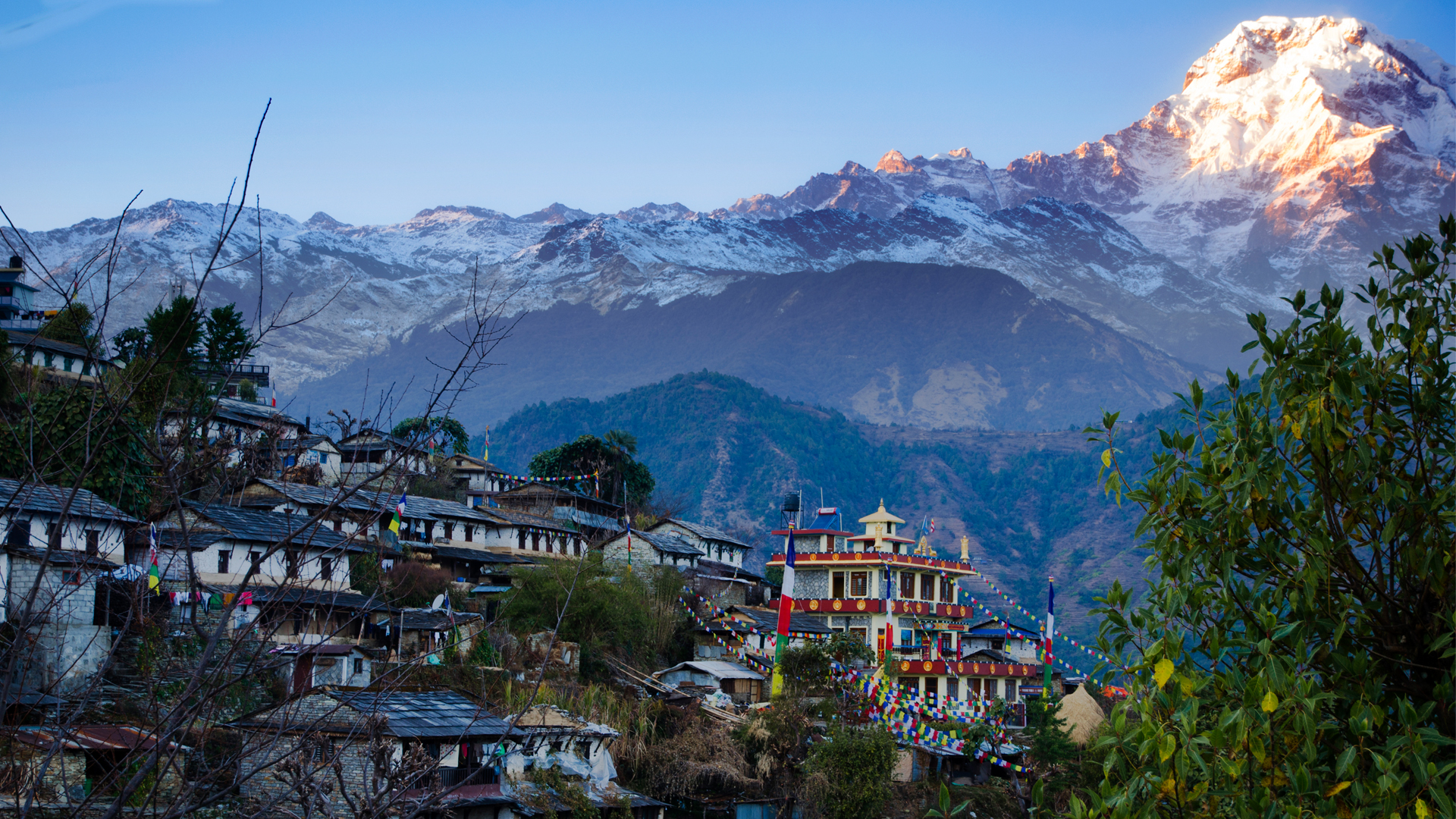
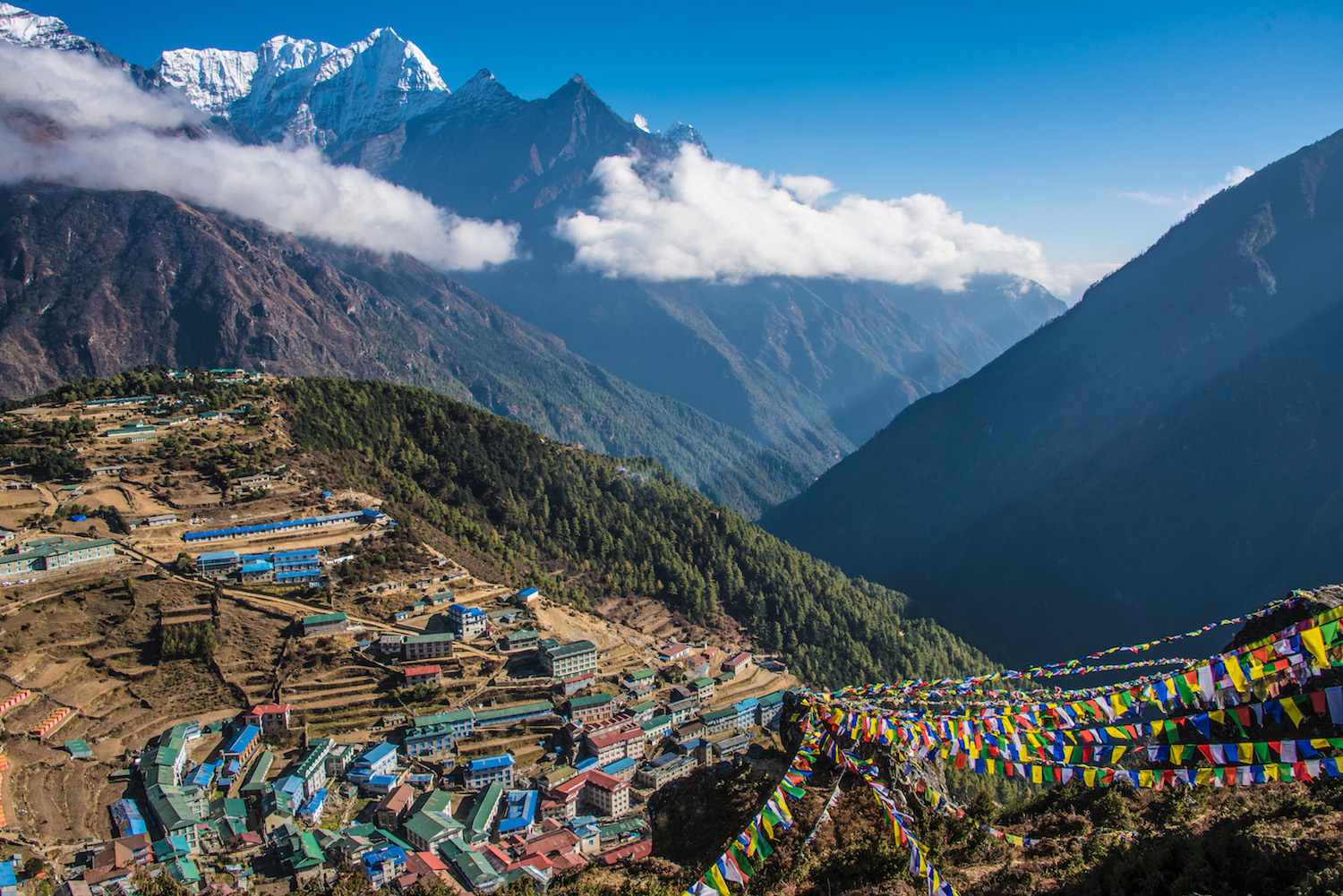
The Everest region is not just a place of natural beauty; it’s a living museum of history and tradition. The trails that wind through the Himalayas are lined with ancient monasteries, prayer flags, and chortens, each bearing witness to the spiritual and cultural heritage of the region. Climbers who traverse these paths often find themselves connecting with the past, honoring traditions, and gaining a new perspective on the interplay of history and adventure.
The monasteries along the trekking routes serve as repositories of wisdom, and their prayer halls echo with the chants of monks. They offer a glimpse into the deep spiritual history of the region and provide a serene space for reflection and reverence. The prayer flags that flutter in the wind carry the prayers of countless pilgrims, invoking blessings and goodwill for all who pass beneath them.
The “Bucket List” Mentality
Mount Everest, the towering titan of the Himalayas, has earned a place of prominence on countless “bucket lists” worldwide. The allure of conquering the world’s highest peak, of standing at the rooftop of the planet, is a dream harbored by adventure enthusiasts, thrill-seekers, and those who yearn for a remarkable achievement. The “bucket list” mentality, fueled by the influence of social media, pop culture, and the desire to tick off remarkable accomplishments, has turned Everest into a symbol of audacious goals and aspirational adventures.
The Everest Dream as a Popular Item on Many People’s Bucket Lists
The “bucket list” mentality is a phenomenon that has taken the world by storm. It reflects a desire to embrace life’s adventures, experience its wonders, and accomplish extraordinary feats. At the top of many individuals’ lists is the dream of reaching the summit of Mount Everest. The allure of conquering the world’s tallest peak, of pushing one’s limits to stand at the highest point on Earth, has become a defining aspiration for those seeking adventure and personal growth.
Climbing Everest is not just a physical endeavor; it’s an embodiment of resilience, ambition, and the unwavering spirit to achieve the extraordinary. The dream of Everest represents the ultimate challenge, the quest to prove one’s mettle, and the desire to venture where few have tread. For many, the allure of Everest lies in the opportunity to turn a distant dream into a tangible reality, to stand atop the world’s highest summit and check off a profound achievement from their “bucket list.”
The Influence of Social Media and Pop Culture
In the digital age, the influence of social media and pop culture has played a significant role in amplifying the allure of Mount Everest. The platforms that connect people across the globe have turned Everest into a visible symbol of adventure and exploration. Instagram and other social media channels are filled with awe-inspiring images of climbers on the summit, capturing the world’s attention and inspiring others to embark on their own journeys.
Pop culture has also contributed to the Everest mystique. Books, movies, and documentaries that recount the trials and triumphs of climbers have brought the mountain’s challenges and allure to a global audience. They’ve showcased the human spirit’s ability to conquer the highest peaks and have fueled the aspirations of individuals who want to make their own mark on the world.
The Desire to Tick off a Remarkable Achievement
The “bucket list” mentality is rooted in the desire to experience life to the fullest, to create a catalogue of remarkable achievements, and to leave a legacy of audacious experiences. Climbing Mount Everest embodies this spirit of adventure and accomplishment. It’s a pursuit that transcends the ordinary and leads to the extraordinary. Reaching the summit isn’t just about standing on a physical peak; it’s about elevating one’s sense of self, pushing one’s boundaries, and leaving a lasting imprint on the heart and soul.
The desire to tick off an Everest ascent from one’s “bucket list” is a testament to the enduring appeal of audacious goals. It’s a reflection of the human spirit’s unyielding yearning for greatness, adventure, and exploration. Everest beckons as a monumental achievement waiting to be conquered, an item on the list that signifies the fulfillment of profound aspirations.
Human Curiosity and Exploration

Humanity’s relentless curiosity and unquenchable thirst for exploration have been the driving forces behind countless discoveries and adventures throughout history. At the heart of this insatiable curiosity lies Mount Everest, the world’s most iconic and enigmatic mountain. The pursuit of Everest isn’t merely about reaching its summit; it’s a testament to the human instinct to explore the unknown, a platform for groundbreaking scientific research on Everest’s ecosystems, and the irresistible magnetic pull of a mountain that has captivated the human imagination for centuries.
The Human Instinct to Explore the Unknown
Exploration is woven into the very fabric of human existence. It’s a fundamental part of our nature, an innate drive that has led us to traverse uncharted territories, cross treacherous seas, and conquer towering peaks. The allure of the unknown, the mystery that shrouds unexplored frontiers, has always beckoned intrepid souls. Everest, with its lofty heights and forbidding landscapes, embodies the spirit of exploration in its purest form.
The urge to ascend Everest is driven by the need to push boundaries, to venture where few have gone before, and to confront the most extreme conditions on Earth. It represents an unrelenting pursuit of the extraordinary, a challenge that tests the limits of human endurance and determination. The quest to summit Everest is a manifestation of humanity’s enduring curiosity, an unquenchable desire to explore the planet’s most unforgiving and inaccessible realms.
Scientific Research on Everest’s Ecosystems
Mount Everest isn’t just a challenge for climbers; it’s a laboratory for scientists. The high-altitude ecosystem of the Himalayas is a realm that offers unique insights into the Earth’s ecological systems and the impact of climate change. Scientific expeditions to Everest have led to groundbreaking discoveries and a deeper understanding of the environment at extreme altitudes.
Researchers studying Everest have explored the mountain’s glaciers, ice formations, and the effects of climate change on the Himalayan region. They’ve delved into the diverse ecosystems found at different altitudes and unearthed new species of plants and animals uniquely adapted to the harsh conditions. Their work extends beyond Earth, with studies conducted on Everest providing analogs for understanding life on other planets.
The Magnetic Pull of the World’s Most Iconic Mountain
Everest’s magnetic pull on explorers, adventurers, and scientists can be attributed to more than just its towering height. It’s a symbol of the unconquered, a canvas for human ambition, and an emblem of resilience. The mountain’s name alone conjures images of bravery, determination, and the spirit of conquering the impossible.
From Sir Edmund Hillary and Tenzing Norgay’s historic ascent in 1953 to modern climbers seeking to etch their names in the annals of mountaineering, Everest remains an irresistible challenge. It’s a mountain that calls to the hearts of individuals worldwide, inspiring them to undertake incredible journeys. Everest’s allure is more than physical; it’s deeply ingrained in the human psyche, a testament to the indomitable spirit that drives us to reach for the stars, quite literally in this case.
The Everest Industry
Nestled in the heart of the Himalayas, Mount Everest isn’t just a colossal natural wonder; it’s the epicenter of a thriving industry that revolves around trekking, mountaineering, and adventure tourism. This industry has burgeoned over the years, driven by the economic incentives of tourism and its profound impact on the local communities of the Everest region. From trekking enthusiasts to seasoned mountaineers, the allure of Everest has transformed it into a hub for adventure seekers and a catalyst for both economic growth and cultural exchange.
The Role of the Trekking and Mountaineering Industry
The Everest industry encompasses a spectrum of services and activities, catering to the diverse needs and aspirations of adventure seekers. Trekking, for instance, offers a more accessible way to experience the majestic Himalayas without the technical challenges of mountaineering. The trekking industry has boomed, with countless enthusiasts flocking to the region each year to follow in the footsteps of Hillary and Norgay, trekking to Everest Base Camp and soaking in the breathtaking vistas.
For those with loftier ambitions, the mountaineering sector provides the means to conquer the world’s highest peak. Experienced climbers, guided by skilled Sherpas, form expeditions to ascend Everest’s formidable heights. The infrastructure supporting these endeavors includes high-altitude camps, logistical support, and specialized equipment. The industry doesn’t merely facilitate ascents; it also ensures the safety and well-being of climbers, mitigating risks and challenges along the way.
Economic Incentives and Tourism
The allure of Mount Everest has kindled a steady influx of tourists, creating significant economic incentives for both Nepal and Tibet, the two nations that share the mountain. Everest’s magnetic pull has spurred tourism-related businesses, including hotels, restaurants, transportation services, and adventure gear shops. The revenue generated through tourism bolsters the local economies, providing livelihoods for many in the region.
Adventure tourism, in particular, has transformed the Everest region into a global destination. The prospect of exploring a pristine wilderness, witnessing diverse cultures, and challenging one’s limits has made the Everest Base Camp trek one of the most sought-after adventure experiences on the planet. This surge in tourism has provided a financial lifeline to local communities, empowering them to invest in education, healthcare, and infrastructure development.
The Impact on Local Communities
While the Everest industry reaps economic benefits, it also plays a pivotal role in shaping the lives of local communities. The Sherpa people, indigenous to the Everest region, have been instrumental in supporting trekkers and climbers. They serve as guides, porters, and a crucial source of knowledge regarding the mountain’s terrain and its unique challenges. The industry’s growth has opened up employment opportunities for the Sherpa community and enabled them to share their culture and traditions with the world.
However, the industry also presents challenges. The surge in tourism, if not carefully managed, can exert pressure on the environment and local culture. Sustainable tourism practices, such as waste management and conservation efforts, are crucial to preserve the pristine beauty of the region. Additionally, a delicate balance must be maintained between economic growth and the cultural integrity of the local communities.
The Dark Side: Risks and Controversies
As the allure of Mount Everest continues to draw climbers and adventurers from around the world, a darker side of the world’s highest peak has emerged—a side characterized by growing commercialization, overcrowding, safety concerns, and ethical questions that shroud Everest expeditions. While the mountain’s grandeur remains an irresistible attraction, these issues have cast a shadow over the Everest experience, prompting reflection on the impact of such mass-scale exploration and commercialization on this natural wonder.
Everest’s Growing Commercialization
The once-remote and pristine landscape of Everest has transformed into a hub of commercial activity. With the surge in adventure tourism, the region surrounding the mountain has witnessed rapid development, including an influx of hotels, teahouses, and commercial operators. The commercialization of Everest has led to both economic growth and environmental concerns. While local businesses have thrived due to the influx of tourists, it has also placed pressure on the fragile ecosystem of the Himalayas.
Commercial operators offer various packages for trekkers and climbers, making Everest more accessible to a wider audience. However, this accessibility has raised concerns about the qualifications of some climbers and the quality of guiding services. The monetization of Everest has brought financial benefits to many, but it has also introduced a range of risks and challenges, from an overreliance on tourism revenue to the degradation of the pristine environment.
Overcrowding and Safety Concerns
In recent years, images of long queues of climbers snaking their way to the summit of Everest have captured global attention. Overcrowding has become a significant issue, especially during the brief windows of favorable weather when climbers make their summit attempts. The congestion on the mountain poses numerous safety risks, including exposure to extreme weather conditions, exhaustion, and altitude sickness.
In the rush to conquer Everest, climbers may face delays at high-altitude areas, increasing their vulnerability to frostbite and other life-threatening conditions. The safety of climbers, as well as the ethical dilemma of passing stricken climbers without offering assistance, has become a point of contention in the climbing community. Overcrowding also places additional stress on the limited resources of the mountain, including rescue teams and oxygen supplies, which are essential for the survival of climbers at extreme altitudes.
Ethical Questions Surrounding Everest Expeditions
The surge in Everest expeditions has prompted ethical questions that challenge the very essence of adventure and exploration. The pressure to reach the summit, coupled with the considerable financial investments made by climbers and their sponsors, has led to a mentality where the objective becomes paramount, sometimes overshadowing ethical considerations.
One of the most pressing ethical questions involves the treatment of the environment. The increasing number of climbers results in greater waste generation, including human waste, which poses a severe threat to the pristine Himalayan ecosystem. Efforts to address this issue have resulted in regulations mandating climbers to bring back a certain amount of waste, but effective implementation remains a challenge.
Another ethical concern revolves around the treatment of the Sherpa community, who play a vital role in supporting climbers. Sherpas often face hazardous conditions and bear the brunt of the risks, but they are not always given the recognition and compensation they deserve. The desire for summits sometimes leads to decisions that compromise the well-being of these essential members of Everest expeditions.
Key takeaway
In conclusion, Mount Everest is a multi-faceted adventure that combines personal achievement, passion, and a storied past. The summit of the world’s tallest mountain offers an intriguing backdrop for adventure seekers from all over the world, promising them victory over nature’s most difficult obstacle.
The mountain’s enduring appeal is largely attributed to its legacy, early expeditions, and its role as a cultural symbol in the local community. Everest climbing is not only about reaching the summit; it’s also about pushing one’s limits, experiencing spiritual and cultural connections, and satisfying that innate human curiosity that drives one to try new things.
Mount Everest’s popularity has also brought with it a slew of issues, including overcrowding and ethical concerns. As the mountain becomes more commercially viable, there are also questions about safety and sustainability.
Despite these difficulties, the quest to summit Mount Everest is as fascinating as it has ever been. We draw inspiration from one of the planet’s most recognizable peaks because we have an innate desire to explore, are motivated by a strong sense of human spirit, and are willing to put in the effort. When the Himalayas are gripped by snow, it is no longer uncommon for hikers to come to Mount Everest’s slopes, ensuring that it remains an important part of human history.