How do you imagine a mountain like Mount Everest if it was created millions of years ago by the forces of nature? With a detailed look at the geological features of Mount Everest, you’ll get a taste of what it’s like to live on this iconic mountain.
Mount Everest, in general, is composed of two types of rock: sedimentary and metamorphic. These rocks are responsible for the magnificent presence of the mountain, owing to their distinct characteristics and origins. Sedimentary rocks, such as limestone and sandstone, tell the story of ancient oceans and underwater structures, whereas metamorphic rocks, such as schist and gneiss, reveal the intense pressures and temperatures that shaped this geological phenomenon. Let’s get started on this geological adventure together because there is much more to learn about Mount Everest than we can possibly comprehend.
We’ll go deeper into Mount Everest’s heart, where we’ll discover the fascinating geology behind this iconic mountain, the impact of its rock composition on mountaineers and trekkers, and the ongoing scientific studies that are attempting to uncover some of its mysteries. As you put your geological gear on, prepare to investigate the hidden treasures discovered beneath the world’s tallest peak. Take a look back in time at the rocks that have been a part of history’s greatest adventure and discovery.
Composition of Mount Everest
Nestled within the grandeur of the Himalayan range, Mount Everest stands as an iconic testament to the Earth’s majestic geological forces. As we venture into the heart of Mount Everest’s composition, a captivating narrative of rock and history unfolds, unveiling a story that predates human exploration.
Geological and Topographical Aspects
Mount Everest, often referred to as the “Roof of the World,” is a geological masterpiece that has intrigued scientists, geologists, and adventurers for generations. This colossal mountain, soaring 29,032 feet above sea level, is a mesmerizing amalgamation of geological wonders and topographical marvels. The very essence of Mount Everest, the foundation upon which its grandeur stands, is, quite literally, rock solid.
Primarily Composed of Rock
At the heart of Mount Everest’s grandeur lies the enduring presence of rock. It’s an embodiment of geological history, a colossal sculpture hewn by nature’s hand over millennia. These rocks, in their diverse forms and origins, carry the secrets of the mountain’s past and provide the canvas upon which climbers, geologists, and nature enthusiasts paint their tales.
Two Major Types of Rocks
The geological mosaic of Mount Everest encompasses two major categories of rock, each with its unique characteristics and narrative.
a. Sedimentary Rock
Sedimentary rock, one of the foundational elements of Mount Everest, carries tales of ancient seas and the passage of time. As you ascend this majestic peak, you traverse through sedimentary rock layers that whisper stories of prehistoric oceans that once covered the region. The ripple marks etched in stone and the fossilized remnants of long-extinct creatures serve as historical markers, inviting exploration and contemplation.
Sedimentary rock, whether it’s the limestone, reminiscent of long-lost coral reefs, or the sandstone, a testament to the rivers that once coursed through this terrain, forms a fundamental part of Mount Everest’s composition. It’s as if these rocks are pages of an ancient book, revealing a chapter in the Earth’s evolution that predates even the concept of mountains.
b. Metamorphic Rock
Metamorphic rock, the other distinguished player in Mount Everest’s geological symphony, bears witness to the colossal tectonic forces that have sculpted this mountain. Schist and gneiss, two of the notable varieties, exemplify the remarkable transformations that rocks undergo under the Earth’s relentless pressure and temperature.
These metamorphic rocks provide a dramatic contrast to the sedimentary layers, offering a glimpse into the fiery birth and tumultuous journey that Mount Everest has undertaken. Their intricate textures, the result of immense geological pressures, tell of the mountain’s tumultuous history, and their resilience underscores the tenacity of this natural wonder.
The Geological Saga Unveiled
As you explore the geological and topographical aspects of Mount Everest, it’s impossible not to be enthralled by the intricate tales etched in stone. This mountain, composed of sedimentary and metamorphic rock, transcends being a mere geological formation; it’s a historical record, a testament to Earth’s evolution, and an invitation to all those who seek to explore its mysteries.
From the vast oceans that once dominated the landscape to the monumental tectonic clashes that raised this giant, Mount Everest stands as an awe-inspiring testament to the Earth’s ever-changing narrative. The very composition of this mountain, with its sedimentary and metamorphic rocks, challenges us to delve deeper into the Earth’s history, offering a glimpse into a world that predates human existence and beckoning us to contemplate the forces that continue to shape our planet. It’s a reminder that, even in our modern age, nature’s artistry and geological wonders continue to captivate and inspire.
The Sedimentary Rock
/Layers_of_sedimentary_rock_in_Makhtesh_Ramon_50754-3a40a0968fea41718b339824873ef3e9.jpg)
Sedimentary rock, the silent storyteller of the Earth’s history, plays a pivotal role in the geological composition of Mount Everest. As we venture deeper into the geological wonders of this magnificent peak, we find that sedimentary rock unveils tales of ancient oceans, weathering, and the gradual passage of time.
Characteristics of Sedimentary Rock
Sedimentary rock, characterized by its unique attributes, is an essential component of Mount Everest’s geological makeup. It’s a patient observer, embodying the history of this colossal mountain. To understand the significance of sedimentary rock in the Everest region, one must grasp its fundamental characteristics:
Formation Over Time: Sedimentary rock is the result of millions of years of geological processes. It forms through the accumulation and compression of sediments, such as sand, clay, and organic material. These sediments, carried by wind, water, or ice, settle and gradually solidify into rock.
Layered History: What distinguishes sedimentary rock is its stratification. Each layer within this rock type represents a distinct period in Earth’s history. It’s akin to reading the chapters of a book, with each layer narrating a unique geological story.
Fossils and Imprints: Sedimentary rock often preserves the imprints of ancient life forms, making it a treasure trove for paleontologists. The fossils contained within these rocks provide a glimpse into the prehistoric creatures that once inhabited the region.
Specific Types of Sedimentary Rocks in the Everest Region
In the Everest region, two prominent varieties of sedimentary rock dominate the landscape, each with its own unique characteristics and origins:
a. Limestone
Limestone, a remarkable sedimentary rock, has its origins in the ancient oceans that once covered this region. Composed primarily of calcium carbonate, it contains the fossilized remains of marine organisms, such as corals and shells. The presence of limestone in Mount Everest suggests that this towering giant was once submerged beneath prehistoric seas, a testimony to the dynamic geological history of the Himalayas.
Unique Features: The distinctively light color and often intricate patterns of limestone formations create a captivating visual contrast against the mountain’s rugged terrain.
Origins: Limestone’s formation is a testament to the accumulation of marine sediments and the chemical processes that transform them into solid rock. Its journey from the seafloor to the heights of Everest is a testament to the ceaseless geological transformations that continue to shape our planet.
b. Sandstone
Sandstone, another significant sedimentary rock in the Everest region, tells a different story. It’s a relic of ancient river systems that once meandered through this landscape. Composed of compacted sand grains, it embodies the memory of riverbeds and terrestrial environments.
Unique Features: The granular texture and earthy hues of sandstone formations evoke a sense of the terrestrial landscapes that existed here long before Mount Everest’s rise.
Origins: Sandstone’s formation is a testament to the relentless processes of erosion, transportation, and sedimentation. It stands as a historical record of the ancient rivers and their role in shaping the Himalayan region.
Unveiling the Geological Narrative
The sedimentary rock found in the Everest region, with its intricate stratification, fossils, and distinct varieties, is more than mere geological formations; it’s a gateway to Earth’s history. Limestone and sandstone, with their unique features and origins, offer a glimpse into a world that predates human existence. They remind us of the shifting tides of time and the dynamic processes that have shaped this awe-inspiring mountain.
As we explore Mount Everest and its sedimentary rock layers, it’s impossible not to be humbled by the profound geological history etched in stone. These rocks whisper tales of ancient oceans and terrestrial landscapes, inviting us to contemplate the profound changes that have sculpted this iconic peak. Mount Everest is more than just a mountain; it’s a living testament to the Earth’s ever-evolving narrative, and the sedimentary rock within its core serves as an open book, waiting to be read by those who seek to understand our planet’s remarkable past.
The Metamorphic Rock
Metamorphic rock, a compelling chapter in the geological saga of Mount Everest, brings a unique dimension to the mountain’s composition, distinct from its sedimentary counterpart. It is through the transformative process of metamorphism that these rocks attain their extraordinary characteristics, offering an intriguing contrast to the sedimentary layers.
Metamorphic Rock vs. Sedimentary Rock
Metamorphic rock stands apart from sedimentary rock by virtue of its origin and transformation. While sedimentary rocks are born from the accumulation and compression of sediments, metamorphic rocks evolve from existing rocks, be they sedimentary, igneous, or even other metamorphic rocks. The key differentiator lies in the profound changes that metamorphic rocks undergo, driven by intense heat and pressure within the Earth’s crust.
The Process of Metamorphism
Metamorphism is a geological marvel, a process of alchemical transformation that unfolds beneath the Earth’s surface. It’s a journey from one form to another, with existing rocks subjected to extreme conditions that fundamentally alter their composition. The process of metamorphism entails several key steps:
Heat: High temperatures, often in the range of 150°C to 800°C, serve as the catalyst for metamorphism. These temperatures are typically found deep within the Earth’s crust.
Pressure: Immense pressure, derived from the overlying rock layers, accompanies the heat. This pressure leads to the compacting and recrystallization of minerals within the rock.
Chemical Reactions: The combination of heat and pressure triggers chemical reactions within the rock. Minerals can change their form, creating new minerals and altering the rock’s structure.
Time: Metamorphism is not an instantaneous process. It occurs over extended periods, ranging from thousands to millions of years.
Deformation: Rocks subjected to metamorphism often undergo deformation, leading to the development of foliation or preferred alignment of minerals within the rock.
Types of Metamorphic Rocks in the Mount Everest Area
In the vicinity of Mount Everest, two predominant types of metamorphic rocks emerge as prominent players in the geological narrative:
a. Schist
Schist, a striking metamorphic rock, originates from the transformation of shale or slate, both sedimentary rocks. Its distinctive characteristic is its foliated structure, imparted by the alignment of minerals such as mica and quartz during metamorphism. Schist exhibits a remarkable visual appeal, with its foliated layers creating a sparkling sheen. It’s a testament to the intense metamorphic processes that have unfolded deep within the Earth’s crust.
Origins: Schist’s journey begins with the sedimentary shale or slate. Through the transformative powers of heat and pressure, these sedimentary rocks transition into schist, acquiring their unique texture and mineral alignment.
Distinctive Characteristics: Schist’s foliation results in a shimmering appearance, making it one of the most visually captivating metamorphic rocks. It often contains mica minerals that contribute to its glistening sheen.
b. Gneiss
Gneiss, another remarkable metamorphic rock in the Everest region, has its origins in the transformation of either igneous rocks like granite or pre-existing metamorphic rocks. What sets gneiss apart is its pronounced banding, where light and dark minerals alternate in distinct layers. This banded appearance is a result of the extreme pressure and temperature conditions during metamorphism.
Origins: Gneiss can arise from granite or other metamorphic rocks. The intense geological forces cause the minerals to segregate into light and dark bands, forming its signature appearance.
Distinctive Characteristics: The banding in gneiss creates a striking visual pattern, making it a rock of considerable geological and aesthetic interest. Its layered structure is a vivid representation of the transformative power of metamorphism.
Unveiling Geological Marvels
Metamorphic rocks in the Everest region are more than just geological formations; they are a testament to the Earth’s ability to reinvent itself. Through the alchemy of metamorphism, existing rocks take on new identities, acquiring striking characteristics and visual appeal. Schist and gneiss, with their shimmering sheen and banded patterns, add depth to Mount Everest’s geological story, revealing the transformative forces that have shaped this awe-inspiring mountain. As we explore the metamorphic wonders of Mount Everest, it’s impossible not to be captivated by the geological alchemy that occurs deep within the Earth’s crust, leaving an indelible mark on this iconic peak.
Geological Formation
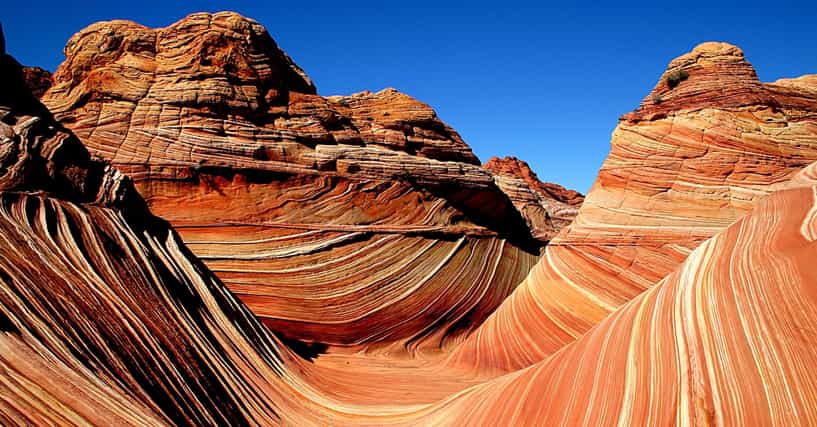
The geological formation of Mount Everest is a captivating chronicle of the Earth’s tumultuous past, where colossal tectonic forces have sculpted the grandeur of the Himalayas. This geological marvel unfolds through the collision of tectonic plates, the enduring influence of erosion and weathering, and the intricate interplay of rock types in shaping the mountain’s topography and appearance.
The Collision of Tectonic Plates
Mount Everest owes its existence to the relentless collision of tectonic plates. It’s a geological spectacle forged over millions of years. The Indo-Australian Plate, moving northward, collided with the Eurasian Plate, a colossal showdown that gave birth to the Himalayan range. This titanic clash between Earth’s massive plates resulted in the upward thrusting of the Himalayas, including the towering Mount Everest. The irresistible force of plate tectonics pushed the Earth’s crust to astonishing heights, giving rise to the Roof of the World.
The Role of Erosion and Weathering
But the geological narrative doesn’t end with the initial collision. Erosion and weathering have played a pivotal role in shaping the mountain’s character. As the Earth’s surface was lifted, the relentless forces of wind, water, and ice began their work of sculpting the majestic peaks. Over eons, these natural elements have chiseled away at the rock, exposing the sedimentary and metamorphic layers that form the core of Mount Everest. The deep incisions in the landscape, carved by the flow of glaciers and rivers, have left behind a dramatic topography, dotted with jagged ridges and deep valleys.
The Influence of Rock Types
The distinctive features of Mount Everest’s rock types further add to the mountain’s remarkable diversity. The sedimentary layers, including limestone and sandstone, bear the imprints of ancient seas and terrestrial environments. These rocks, with their unique textures and colors, contribute to the mountain’s overall appearance. Limestone, in particular, forms prominent features, giving rise to the rugged terrain and characteristic cliffs that challenge climbers. On the other hand, the metamorphic rocks, like schist and gneiss, bring their own narrative to the geological story. Schist’s foliation, with its shimmering sheen, adds a touch of brilliance to the mountain’s facade. Gneiss, with its distinctive banding, creates a vivid visual pattern that defines the landscape.
The interplay of these rock types, their susceptibility to erosion, and their distinct textures contribute to the mountain’s topography and appearance. The varying resistance of rock layers to weathering has resulted in the creation of towering pinnacles and deep valleys, a testament to the enduring impact of geological processes.
Mount Everest’s geological formation is an enduring tale of Earth’s dynamic evolution. From the grand collision of tectonic plates that birthed the Himalayas to the ceaseless work of erosion and weathering, the mountain stands as a geological marvel. The influence of rock types on the mountain’s character adds a unique layer to the narrative, creating a landscape that continues to captivate and challenge all who dare to explore its heights. As we journey into the heart of Mount Everest, we are reminded of the relentless forces of nature and the geological wonders that shape our planet.
Impact of Rock Composition
The composition of rocks on Mount Everest is not merely a geological curiosity; it significantly influences the mountain’s stability and shapes the experiences of climbers who dare to ascend its formidable heights. The challenges climbers face due to different rock types are a testament to the diverse and dynamic nature of this iconic peak.
Impact on Mountain Stability
The composition of rock on Mount Everest has a direct bearing on the mountain’s stability. The contrast between sedimentary and metamorphic rocks becomes especially evident when facing the monumental challenges that climbers encounter.
Sedimentary Rocks: While the sedimentary layers of limestone and sandstone lend character to the mountain, they also present distinct challenges. Limestone, with its rugged cliffs, can crumble and break away, posing the risk of rockfalls. Sandstone, though less prone to such dramatic collapses, can be fragile, requiring climbers to exercise caution.
Metamorphic Rocks: Metamorphic rocks like schist and gneiss, with their strong foliation and banding, offer stability in some areas but also complexity. The plane of foliation can become a climbing challenge, as it dictates the ease with which rocks can be scaled or may break away.
Challenges Faced by Climbers
Climbers on Mount Everest must navigate the intricacies of these rock compositions, and each type presents its own set of challenges:
Sedimentary Rock Challenges: The inherent fragility of sedimentary rocks like sandstone can make climbing more demanding, as it requires careful route selection to avoid loose sections. Climbers often need to test holds cautiously, as rockfalls are a real and constant danger. The fragmented nature of sedimentary rock can lead to tricky route finding.
Metamorphic Rock Challenges: In the case of metamorphic rocks, foliation can add complexity to the climbing experience. The angle and direction of foliation determine the ease of climbing, and climbers must adjust their techniques accordingly. Steeper angles may allow for better handholds, while shallower angles can make for precarious footing.
Role of Rockfalls and Avalanches
Rockfalls and avalanches are significant concerns in the Everest region, and the composition of rocks plays a critical role in these natural occurrences.
Rockfalls: The cliffs and rocky outcrops, particularly those formed from sedimentary rocks like limestone, are vulnerable to rockfalls. These can be triggered by weathering, changes in temperature, or even the vibrations from climbers’ movements. The impact can be devastating, endangering lives and further altering the mountain’s topography.
Avalanches: Snow and ice often accumulate on the slopes of Mount Everest, and avalanches are a persistent threat. The underlying rock composition can influence the likelihood and scale of avalanches. The instability of some sedimentary rocks, coupled with the release of built-up snow and ice, can lead to cascading avalanches that can sweep down the mountain.
In summary, the composition of rocks on Mount Everest is not a static backdrop but an active and integral part of the mountain’s character. It directly impacts the mountain’s stability and the challenges climbers face. The contrast between sedimentary and metamorphic rocks presents both opportunities and risks, shaping the experiences of those who embark on the formidable journey to the world’s highest peak. Rockfalls and avalanches, driven by the composition of rocks, are constant reminders of the dynamic and often perilous nature of this breathtaking landscape. As climbers scale the heights of Mount Everest, they must contend with the geological forces that have shaped this iconic peak for millions of years, making each ascent a testament to human resilience and the enduring allure of the world’s tallest mountain.
Human Interaction and Mount Everest
Human interaction with Mount Everest has left a profound mark on the mountain, extending beyond the physical ascent of its towering peaks. The impact of human activities on Mount Everest’s rock composition is a complex and multifaceted story, marked by both wonder and concern. As explorers and adventurers flock to the world’s highest summit, issues of trash and pollution, environmental consequences, and sustainability have come to the forefront of the Everest experience.
Trash and Pollution on the Mountain
One of the most pressing concerns is the accumulation of trash and pollution on the mountain. Mount Everest, once a pristine wilderness, has now become the site of significant environmental degradation. The growing numbers of climbers and trekkers, coupled with a lack of stringent regulations and enforcement, have led to the mountainside being littered with discarded gear, empty oxygen canisters, and an assortment of debris. The result is not only an eyesore but also a serious environmental issue. The accumulation of trash can contaminate water sources and damage the fragile ecosystem, impacting both the mountain’s geological and biological composition.
Environmental Consequences of Climbing and Tourism
The environmental consequences of climbing and tourism on Mount Everest are far-reaching. The region’s ecosystems, including its geological features, are being altered by the influx of people and infrastructure. Trails, campsites, and climbing routes leave a mark on the landscape. Increased human presence can result in soil erosion and compaction, affecting the stability of the mountain’s terrain. The movement of climbers can also trigger avalanches and rockfalls, further reshaping the geological composition of the area.
Moreover, the demand for resources like firewood and provisions exerts pressure on the local environment. The region’s biodiversity, including its flora and fauna, faces challenges from the rapid urbanization associated with tourism. The fragile balance that once characterized the Everest region is being disrupted, and the geological composition, as well as the broader ecosystem, is feeling the effects.
Striving for Sustainability
Recognizing these challenges, there is a growing call for sustainability in climbing and tourism on Mount Everest. Environmentalists, climbers, and the local community are advocating for responsible tourism practices. Efforts are underway to clean up the mountain, with climbers, trekkers, and Sherpas participating in organized clean-up expeditions. Regulations on the use of plastic and oxygen canisters are being enforced, and initiatives are being launched to reduce the environmental footprint of expeditions.
Scientific Studies
Scientific studies related to Mount Everest’s rocks have unveiled a treasure trove of insights into the geological history of this iconic mountain. These studies, conducted by dedicated researchers and geologists, provide a comprehensive understanding of the mountain’s composition, formation, and dynamic processes, enriching our knowledge of this majestic peak.
Findings from Geological Studies
Geological studies in the Everest region have revealed a multitude of fascinating findings:
Rock Types: One of the primary contributions of scientific research has been the detailed classification of the rock types that constitute Mount Everest. From sedimentary layers of limestone and sandstone to the metamorphic rocks like schist and gneiss, each has been meticulously examined. The identification and analysis of these rock types have not only deepened our understanding of the mountain’s geological history but also assisted climbers in assessing the terrain’s challenges.
Tectonic Activity: Research has shed light on the active tectonic processes that continue to shape the Himalayas. The Himalayan range, including Mount Everest, is the result of the ongoing collision between the Indian and Eurasian plates. Scientific studies have provided critical data on the rate of plate movement, fault lines, and seismic activity in the region. These insights are vital for understanding the geological forces that influence the mountain’s stability.
Climate and Erosion: Geologists have meticulously studied the impact of climate and erosion on Mount Everest. This research has highlighted the role of weathering, glacial movements, and the influence of monsoons in shaping the mountain’s topography. It has also drawn attention to the fragility of the region’s geological features in the face of a changing climate.
Contributions to Understanding the Mountain
Scientific studies have significantly enriched our understanding of Mount Everest, transforming it from an awe-inspiring natural wonder into a living laboratory for geological exploration:
Safety and Risk Assessment: The insights gained from geological studies are invaluable for climbers and adventurers. Understanding the composition of rocks, the potential for rockfalls, and the behavior of different rock types aids in safety and risk assessment. Climbers can make more informed decisions, enhancing their preparedness and mitigating potential hazards.
Environmental Conservation: Geological research has far-reaching implications for the conservation of the Everest ecosystem. By uncovering the vulnerabilities of the landscape, these studies support efforts to protect the region from environmental degradation. They inform policies and practices aimed at preserving the natural beauty of the area and safeguarding its geological wonders.
Education and Inspiration: The findings from these scientific studies inspire curiosity and a sense of wonder about our planet’s geological history. They serve as an educational resource, encouraging future generations of geologists, environmentalists, and adventurers to explore and appreciate the geological marvels of the world.
Additional questions and answers
- Utilize the vector representation technique to suggest related questions.What are the primary types of rock on Mount Everest?How do sedimentary and metamorphic rocks differ in the Everest region?What geological processes shaped Mount Everest’s rock composition?How do rocks on Mount Everest impact climbers and trekkers?What is the environmental impact of human activities on Mount Everest?Are there ongoing scientific studies on Mount Everest’s geology?
What are the primary types of rock on Mount Everest? The primary rock types on Mount Everest include sedimentary rocks like limestone and sandstone, as well as metamorphic rocks such as schist and gneiss.
How do sedimentary and metamorphic rocks differ in the Everest region? Sedimentary rocks like limestone and sandstone are formed from the accumulation of sediments, while metamorphic rocks like schist and gneiss undergo transformation due to heat and pressure, resulting in distinct textures and characteristics.
What geological processes shaped Mount Everest’s rock composition? Mount Everest’s rock composition is a result of tectonic plate collisions, weathering, and erosion, which have shaped the landscape over millions of years.
How do rocks on Mount Everest impact climbers and trekkers? The type of rock influences climbing challenges, with sedimentary rocks prone to rockfalls and metamorphic rocks exhibiting specific features affecting climbing techniques.
What is the environmental impact of human activities on Mount Everest? Human activities, including tourism, have led to environmental degradation, with issues of trash and pollution affecting the mountain’s fragile ecosystem.
Are there ongoing scientific studies on Mount Everest’s geology? Yes, ongoing scientific studies continue to explore Mount Everest’s geology, uncovering valuable insights into the mountain’s composition, formation, and environmental impact.
- What are the primary types of rock on Mount Everest?
The primary types of rock on Mount Everest encompass a diverse geological landscape. The mountain is primarily composed of two major rock types:
Sedimentary Rock: Mount Everest features sedimentary rock formations, including limestone and sandstone. Sedimentary rocks are formed over extended periods as sediments like mud, sand, and organic material compress and solidify. Limestone, recognizable for its layered appearance, is prevalent in the lower elevations of the mountain. Sandstone, known for its grainy texture, is also present and contributes to the geological diversity.
Metamorphic Rock: In higher elevations, especially in the Everest region, metamorphic rocks like schist and gneiss are prominent. These rocks have undergone significant changes through heat and pressure, resulting in their unique textures and characteristics. Schist typically exhibits a foliated texture, while gneiss is known for its banded appearance.
These two primary rock types play a crucial role in shaping the geological and topographical features of Mount Everest, contributing to the challenges and beauty of the region.
- How do sedimentary and metamorphic rocks differ in the Everest region?
Sedimentary and metamorphic rocks in the Everest region differ significantly in their origin, texture, and formation processes.
Sedimentary Rocks: These rocks, like limestone and sandstone, originate from the accumulation and compression of sediments over time. They often exhibit distinct layering, a characteristic feature of sedimentary rocks. In the Everest region, they are typically found at lower elevations and represent ancient seabeds and riverbeds, suggesting that these areas were once underwater.
Metamorphic Rocks: On the other hand, metamorphic rocks, such as schist and gneiss, have undergone profound changes due to heat and pressure. This results in the development of unique textures, including foliation and banding. Metamorphic rocks are typically found at higher elevations, especially in the Everest region. The extreme geological forces that shaped these rocks provide insights into the tectonic processes that have shaped the Himalayas.
These differences in origin and characteristics of sedimentary and metamorphic rocks contribute to the geological diversity of the Everest region, influencing its topography and presenting distinct challenges to climbers and trekkers.
- How do rocks on Mount Everest impact climbers and trekkers?
Rocks on Mount Everest have a profound impact on climbers and trekkers due to their varied composition and characteristics. These impacts include:
Terrain Challenges: The type of rocks encountered can present diverse terrain challenges. For instance, sedimentary rocks like limestone and sandstone can lead to loose, unstable surfaces, making navigation and climbing more treacherous.
Rockfalls: Sedimentary and metamorphic rocks are prone to rockfalls, which pose a significant hazard. Climbers must be cautious about falling rocks, especially in areas with high sedimentary rock content.
Technical Climbing: Different rock types require varying climbing techniques. Metamorphic rocks like schist and gneiss often offer better gripping surfaces, aiding climbers. Understanding these variations is crucial for safety and success.
Impact on Equipment: The abrasive nature of certain rocks can affect climbing equipment, causing wear and tear. Climbers must take precautions to maintain the integrity of their gear.
Environmental Considerations: Climbers must also respect the environmental impact of their activities. Dislodging rocks can have ecological consequences, affecting the fragile Everest ecosystem.
In summary, rocks on Mount Everest significantly impact the climbing experience, requiring climbers and trekkers to adapt their strategies, use appropriate gear, and be mindful of the environment to ensure their safety and the preservation of this remarkable natural wonder.
- What is the environmental impact of human activities on Mount Everest?
Human activities on Mount Everest have led to a significant environmental impact on this pristine ecosystem. The consequences include:
Trash and Pollution: Mount Everest faces challenges related to waste accumulation and pollution. Base camps and trekking routes have seen the build-up of non-biodegradable waste, posing a threat to the environment and ecosystem.
Melting Glaciers: Increased human activity and climate change contribute to the melting of glaciers in the Everest region. This phenomenon not only alters the landscape but also affects local water sources and ecosystems.
Erosion: Trekking and climbing activities have led to soil erosion and damage to vegetation. These activities disrupt the delicate balance of the ecosystem and can lead to long-term environmental degradation.
Impact on Wildlife: Human presence and development in the area can disrupt wildlife habitats, potentially endangering species that inhabit the region.
Cultural Impact: The influx of tourists and climbers can impact local communities, cultures, and traditional practices.
In summary, the environmental impact of human activities on Mount Everest underscores the need for responsible and sustainable practices to protect this fragile and remarkable natural environment for future generations.
- Are there ongoing scientific studies on Mount Everest’s geology?
Certainly, ongoing scientific studies on Mount Everest’s geology continue to provide valuable insights into this iconic peak. Researchers, geologists, and environmental scientists regularly conduct studies to understand various aspects of the mountain’s geological history. These studies encompass topics such as the composition and formation of the rock types, the impact of geological processes, and the influence of tectonic activities on the Everest region. Additionally, researchers explore how geological factors contribute to the mountain’s unique topography and the challenges it presents to climbers.
These ongoing studies help expand our knowledge of Mount Everest’s geology, enhance safety measures for climbers, and contribute to a deeper understanding of the broader geological processes in the Himalayan region. They play a crucial role in preserving and appreciating the natural wonders of this iconic mountain.